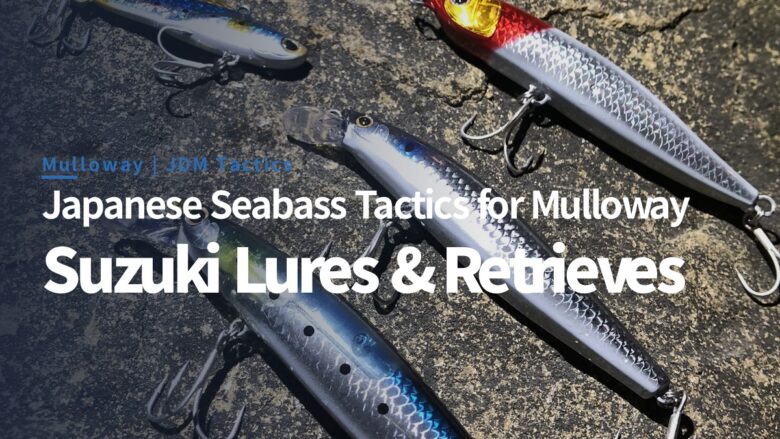
Best JDM Lures & Soft Plastics for Mulloway
ちゃんま
マイボ!

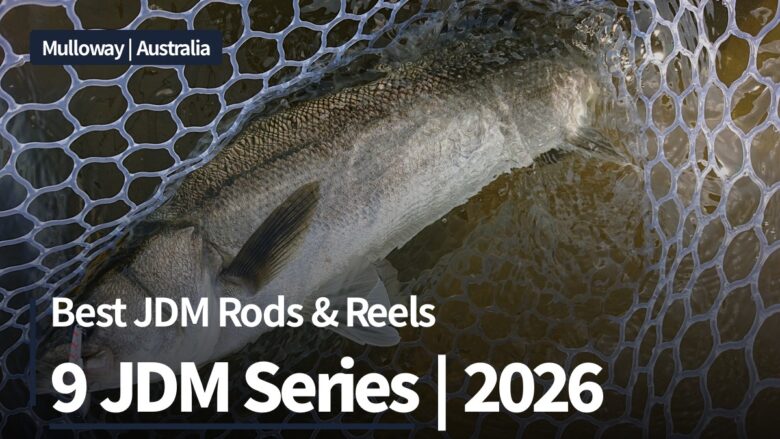
If you read our guide to Japanese seabass (suzuki) tactics for mulloway, you already know the punchline: Japan has spent forty years refining lure tackle for a fish that lives almost the same life as your mulloway (Argyrosomus japonicus). Estuaries, bridge shadows, night tides, a big first run near structure. The rods and reels built for suzuki (Lateolabrax japonicus) are, spec for spec, the closest thing to purpose-built mulloway lure tackle that exists.
The catch is that almost none of it is sold in Australia, and the English-language internet barely explains what any of it is. So this guide does the legwork: four JDM seabass rod series and five reel series, from a sensible ~A$300 entry point to gear you’ll keep for a decade, with every spec pulled from Shimano’s and Daiwa’s official Japanese catalogues.
A note on links and pricing: these are JDM (Japan Domestic Market) models, so buy links point to Amazon Japan. Ships internationally from Amazon Japan — check availability and shipping cost at checkout. Orders over A$59 may qualify for free international delivery. Prices are JDM RRP in JPY (tax excluded) with an approximate AUD conversion at the time of writing (~A$1 = ¥100, mid-2026).
This guide covers the light-to-medium lure game: estuaries, rivers, jetties and calm rock walls, where most lure-caught mulloway actually come from. Heavy surf and ledge work is a different outfit; our JDM shore jigging rod guide covers that end. For the estuary game, five things matter.
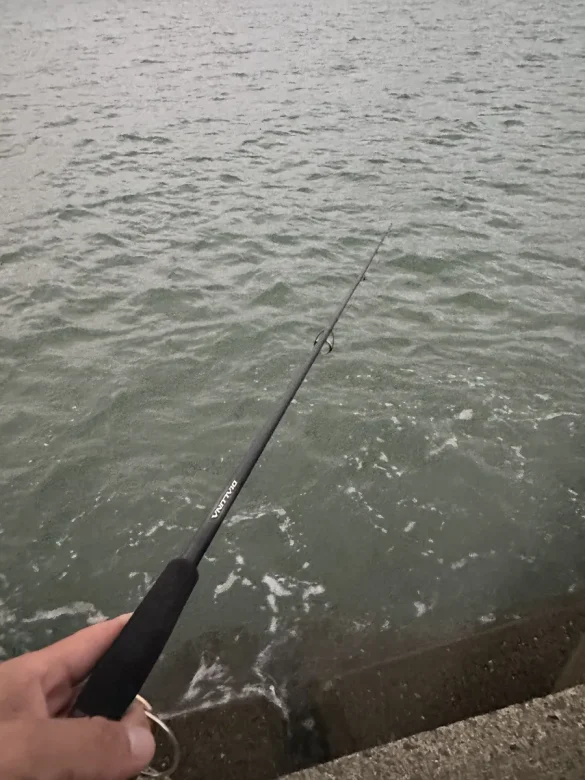
Ask a Japanese lure angler to name one seabass rod and you’ll probably hear Dialuna. It’s the mid-tier series that borrows the expensive stuff from Shimano’s flagship rods: Spiral X and Hi-Power X blank construction against twist, and a hollow Carbon Monocoque rear grip that telegraphs every tap up your forearm. At around A$330 it’s the reference point every other rod here gets judged against.
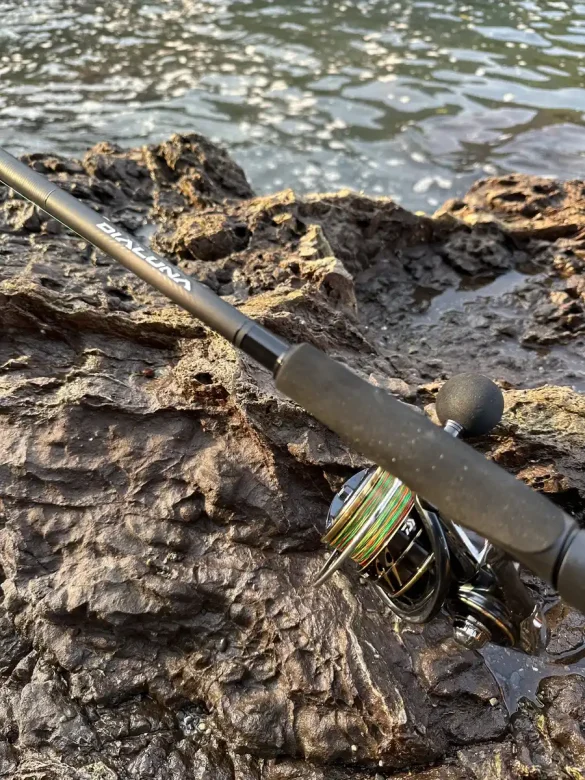
ディアルーナ筆下ろし!!釣れなかったけど、ジグぶん投げてガンガン巻くだけでも楽しかった!! (First outing with the Dialuna!! Didn’t catch a thing, but just bombing jigs out and cranking them back was a blast!!)
— ちゃんま(@chanma_maibia)
That’s our own 23 Dialuna in the photo, an S100MH we picked up in 2023, resting on the rocks after its first session in Japan. We blanked that day, and it still felt like money well spent: the blank loads deep on a full cast and recovers without wobble, so you cast harder for longer without thinking about it. We’d fished an older Dialuna more than a decade earlier as a do-everything rod, and the current one keeps that character with a lot less weight in hand.
| Technology | Detail |
|---|---|
| Blank | Spiral X (diagonal carbon-tape triple layer against twist and crush) |
| Reinforcement | Hi-Power X outer X-wrap |
| Grip | Carbon Monocoque hollow rear grip (high sensitivity) |
| Reel seat | CI4+ Perfection Seat XT |
| Guides | Stainless frame / SiC rings |
| Model | Length | Weight | Lure weight | PE rating | Price (excl. tax) |
|---|---|---|---|---|---|
| Dialuna S90ML | 9’0″ (2.74 m) | 125 g | Plug 6–28 g / Jig max 35 g | PE 0.6–1.5 | ¥32,500 (~A$325) |
| Dialuna S96M | 9’6″ (2.90 m) | 139 g | Plug 7–38 g / Jig max 45 g | PE 0.8–2 | ¥33,500 (~A$335) |
| Dialuna S96MH | 9’6″ (2.90 m) | 166 g | Plug 10–50 g / Jig max 60 g | PE 1–2.5 | ¥35,000 (~A$350) |
Almost everyone starting this journey. The S96M is the mulloway all-rounder: 139 g, casts a 20 g plastic or a 120 mm minnow equally well, and has enough spine to turn a school fish away from bridge pylons. Pick the S90ML if you mostly throw lighter minnows in quiet estuaries, the S96MH if your water has serious current or your fish run big.
Lateo is Daiwa’s counterpart to the Dialuna and the price overlap is almost exact. The blank uses HVF Nanoplus carbon with Daiwa’s X45 bias wrap, so it resists twist the same way the Shimano does, just with a different accent: Lateo blanks bend a touch deeper and more forgivingly, which is kind to barely-hooked mulloway mouths. The trade-off is a slightly heavier feel model for model, and a conventional rear grip rather than a hollow carbon shell, so it gives up a little sensitivity to the Dialuna.

| Technology | Detail |
|---|---|
| Blank | HVF Nanoplus high-density carbon |
| Reinforcement | X45 bias construction against twist |
| Joint | V-JOINT (smooth-bending spigot ferrule) |
| Reel seat | Air Sensor Seat (lightweight carbon-filled) |
| Model | Length | Weight | Lure weight | PE rating | Price (excl. tax) |
|---|---|---|---|---|---|
| Lateo 93ML·K | 9’3″ (2.82 m) | 130 g | 7–35 g | PE 0.8–1.5 | ¥31,700 (~A$317) |
| Lateo 96M·K | 9’6″ (2.90 m) | 147 g | 10–50 g | PE 0.8–2.0 | ¥32,500 (~A$325) |
| Lateo 96MH·K | 9’6″ (2.90 m) | 163 g | 12–60 g | PE 1.0–2.5 | ¥34,000 (~A$340) |
Anglers who fish soft plastics slow and deep, and anyone who simply prefers Daiwa’s softer bend. The 96M·K rated to 50 g also makes a tidy crossover rod if you sometimes lob bigger vibes or light metals. If your priorities are raw sensitivity and lightness, the Dialuna edges it; if it’s fish-playing forgiveness, the Lateo does.
Both brands sell a “serious amateur” tier around ¥50,000 and this is where the weight really drops. The Lunamis upgrades to Spiral X Core and titanium-framed guides, landing a 9’6″ M-power rod at an absurd 130 g. The Labrax AGS counters with Daiwa’s carbon-framed AGS guides, which are the single biggest sensitivity upgrade you can bolt onto a blank: carbon frames barely flex, so lure vibration reaches your hand instead of dying in the guide train. On a fish that mouths a soft plastic as gently as a big mulloway does, that’s not a luxury.


| Technology | Shimano Lunamis | Daiwa Labrax AGS |
|---|---|---|
| Blank | Spiral X Core + Hi-Power X | HVF Nanoplus + X45 |
| Guides | X-Guide (Aero) / titanium + SiC | AGS carbon-frame guides |
| Grip / seat | Carbon Monocoque grip (edge type) | Air Sensor Seat |
| Joint | Reverse put-over ferrule | V-JOINT |
| Model | Length | Weight | Lure weight | PE rating | Price (excl. tax) |
|---|---|---|---|---|---|
| Lunamis S96ML | 9’6″ (2.90 m) | 120 g | Plug 6–25 g / Jig max 32 g | PE 0.5–1.5 | ¥50,500 (~A$505) |
| Lunamis S96M | 9’6″ (2.90 m) | 130 g | Plug 7–35 g / Jig max 45 g | PE 0.8–2 | ¥51,000 (~A$510) |
| Labrax AGS 93ML·N | 9’3″ (2.82 m) | 123 g | 7–35 g | PE 0.6–1.5 | ¥52,000 (~A$520) |
| Labrax AGS 96M·N | 9’6″ (2.90 m) | 136 g | 10–50 g | PE 0.8–2.0 | ¥52,500 (~A$525) |
The angler who has done a season or two on a Dialuna-class rod and wants the next real jump. Be honest with yourself about one thing though: AGS carbon guides don’t love being bounced off rocks, so if your fishing involves scrambling over boulders in the dark, the Lunamis’ titanium frames are the safer buy at this price.
Now the other half of the outfit. In the mid tier, Shimano and Daiwa take opposite bets. The Stradic is the traditionalist: a metal HAGANE body around cold-forged HAGANE gears, with X-Protect sealing and the newer DuraCross drag washers. The Caldia is the modernist: a ZAION V carbon monocoque body that cuts weight to 220 g in the 4000 size, plus a Magsealed body joint. Either one is more reel than a A$330 price tag suggests, which is exactly why we recommend this tier to most readers.
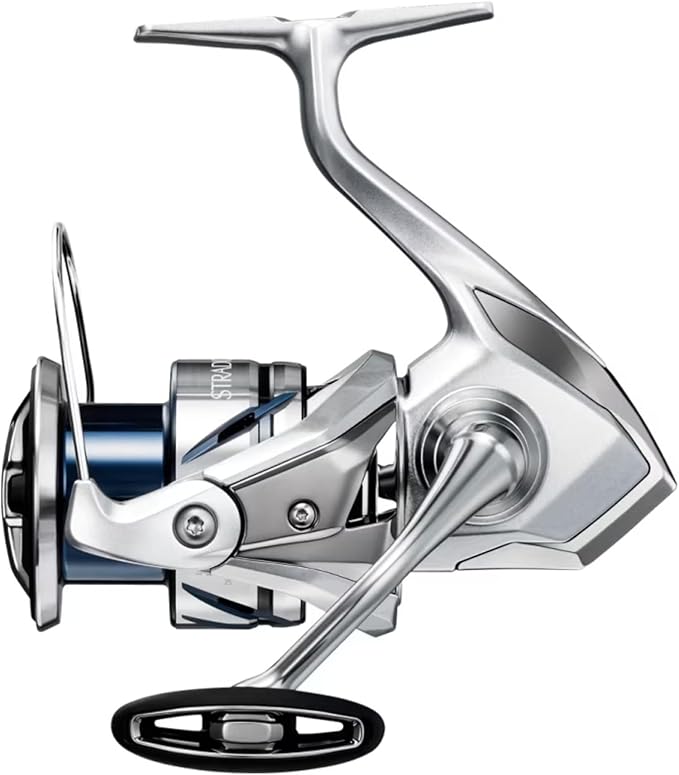

| Technology | Shimano Stradic | Daiwa Caldia |
|---|---|---|
| Body | Aluminium HAGANE body | ZAION V carbon monocoque |
| Rotor | High-rigidity resin | ZAION V (Airdrive design) |
| Drive gear | Cold-forged HAGANE gear, Infinity Cross | Tough Digigear |
| Drag | DuraCross washers | ATD TYPE-L |
| Waterproofing | X-Protect (body / line roller) | Magsealed body |
| Other | Infinity Drive, Anti-Twist Fin, Silent Drive | Airdrive bail, Twist Buster III |
| Model | Gear ratio | Weight | Max drag | Retrieve/turn | Price (excl. tax) |
|---|---|---|---|---|---|
| Stradic C3000HG | 5.8 | 225 g | 9 kg | 86 cm | ¥29,100 (~A$291) |
| Stradic 4000MHG | 5.7 | 275 g | 11 kg | 93 cm | ¥30,300 (~A$303) |
| Caldia LT3000-XH | 6.2 | 210 g | 10 kg | 93 cm | ¥31,300 (~A$313) |
| Caldia LT4000-CXH | 6.2 | 220 g | 12 kg | 99 cm | ¥32,300 (~A$323) |
First serious mulloway outfit? Start here. Choose the Stradic if you value gear feel under load and a body that shrugs off knocks; its metal shell and 9 kg+ drags fight above their class. Choose the Caldia if all-night casting comfort wins: it’s 55 g lighter than the Stradic in the 4000 size. One caution applies to both: at this price you get six ball bearings, not ten, and it shows as a faint roughness under full drag load. That’s the gap the next tier closes.
These two are where “mid-range” ends and reels you’ll still be fishing in 2035 begin. The Twin Power wraps Shimano’s full stack, Infinity Loop, Infinity Drive, Rigid Support Drag, a titanium one-piece bail, in a metal HAGANE body. The Certate answers with Daiwa’s aluminium monocoque: the body is a single machined shell with a screw-in lid, so the gear sits in a one-piece aluminium vault that simply doesn’t flex when a fish is pulling. Both add real Magseal or X-Protect sealing at every entry point that matters.
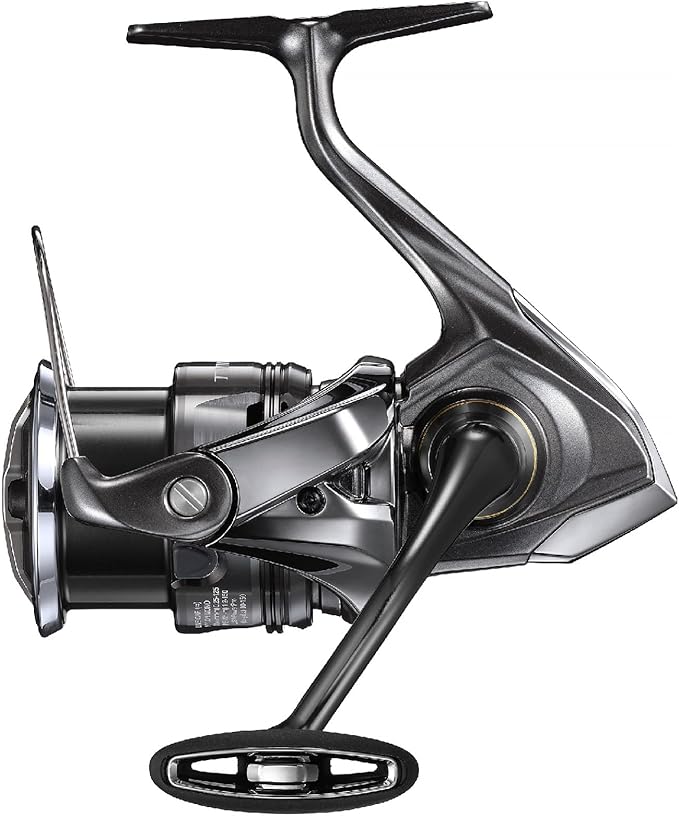
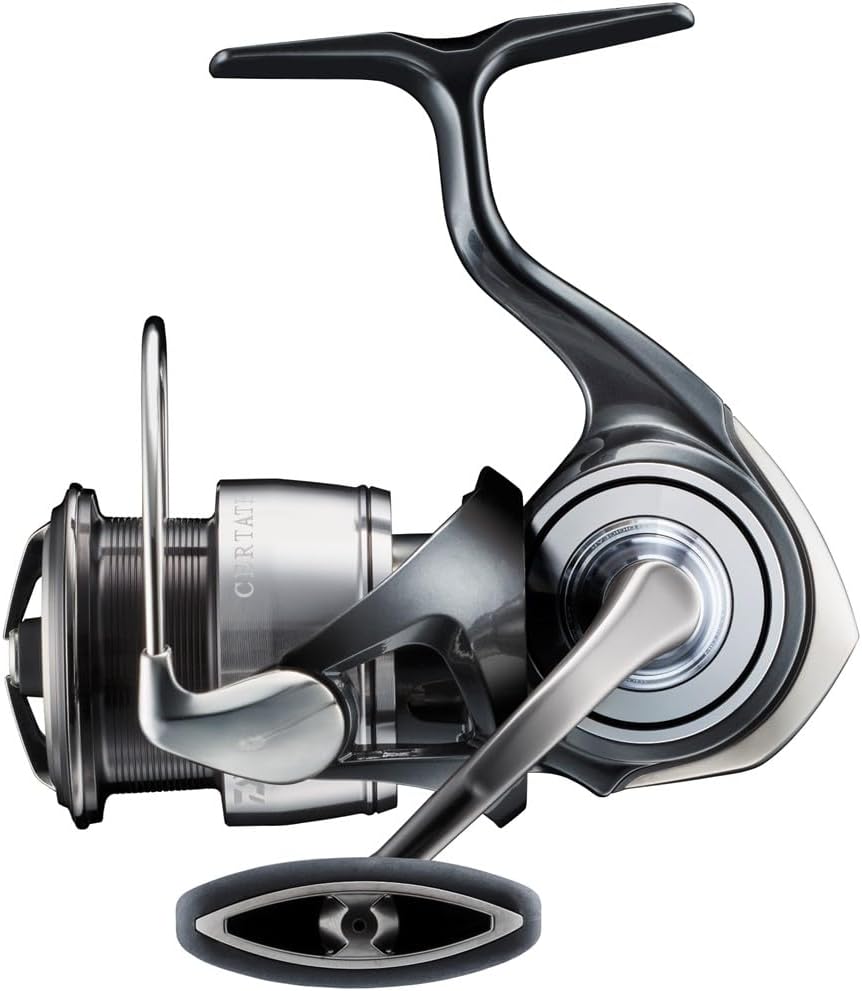
| Technology | Shimano Twin Power | Daiwa Certate |
|---|---|---|
| Body | Aluminium HAGANE body | Aluminium monocoque (MQ) |
| Rotor | Mg/aluminium (size-dependent) | ZAION (Airdrive design) |
| Drive gear | HAGANE gear, Infinity Cross | MC Tough Digigear (special surface treatment) |
| Drag | Rigid Support Drag + DuraCross | ATD TYPE-L |
| Waterproofing | X-Protect (body / line roller) | Magsealed body + line roller |
| Other | Infinity Loop, Infinity Drive, titanium one-piece bail, 9BB | Airdrive bail, Twist Buster III, 10BB |
| Model | Gear ratio | Weight | Max drag | Retrieve/turn | Price (excl. tax) |
|---|---|---|---|---|---|
| Twin Power C3000MHG | 5.8 | 215 g | 9 kg | 86 cm | ¥54,000 (~A$540) |
| Twin Power 4000MHG | 5.7 | 260 g | 11 kg | 93 cm | ¥55,000 (~A$550) |
| Certate LT3000-XH | 6.2 | 225 g | 10 kg | 93 cm | ¥57,600 (~A$576) |
| Certate LT4000-CXH | 6.2 | 235 g | 12 kg | 99 cm | ¥58,600 (~A$586) |
The angler who fishes for mulloway often, in salt, at night, and wants the reel to disappear as a variable. The Certate LT4000-CXH is our pick of the pair for this fishing: the 99 cm retrieve picks up slack fast when a fish charges the rod, and Magseal keeps that silky rotation through seasons of salt spray. The Twin Power counters with Shimano’s smoother drag stack under a hard run. There’s no wrong door here, just brand taste.
Here’s the one with no Australian equivalent at all. Exsence is Shimano’s dedicated seabass reel line, and the XR is its accessible tier. The body and rotor are CI4+ carbon resin, so the C3000MHG weighs just 185 g on a 9-foot rod, and it carries flagship internals: MicroModule Gear II, Rigid Support Drag and X-Protect. The party trick is the Rapid Fire Drag: an oversized drag knob that swings from soft to locked in a fraction of a turn. Suzuki anglers use it to feed a wary fish on the strike and then lock in for structure, which is precisely the bridge-shadow mulloway problem.

| Technology | Detail |
|---|---|
| Body / rotor | CI4+ carbon resin (both) |
| Drive gear | HAGANE gear + MicroModule Gear II |
| Drag | Rigid Support Drag with Rapid Fire Drag knob |
| Waterproofing | X-Protect (body / line roller) |
| Other | Silent Drive, Long Stroke Spool, titanium one-piece bail, 9BB |
| Model | Gear ratio | Weight | Max drag | Retrieve/turn | Price (excl. tax) |
|---|---|---|---|---|---|
| Exsence XR C3000MHG | 6.0 | 185 g | 9 kg | 89 cm | ¥41,000 (~A$410) |
| Exsence XR 3000MHG | 5.8 | 200 g | 9 kg | 86 cm | ¥42,000 (~A$420) |
| Exsence XR 4000MXG | 6.2 | 225 g | 11 kg | 101 cm | ¥43,200 (~A$432) |
The night-tide specialist. If your mulloway fishing is quiet estuaries after dark, slow-rolled minnows and long pauses, this is the most fish-appropriate reel on the page, and it’s cheaper than the Twin Power. The trade-off is the carbon body: superbly light and corrosion-proof, but not the tool for dragging big fish out of heavy reef, where a metal-body reel holds its geometry better. Match it to the Dialuna S90ML or Lunamis S96ML and the whole outfit floats in your hand.
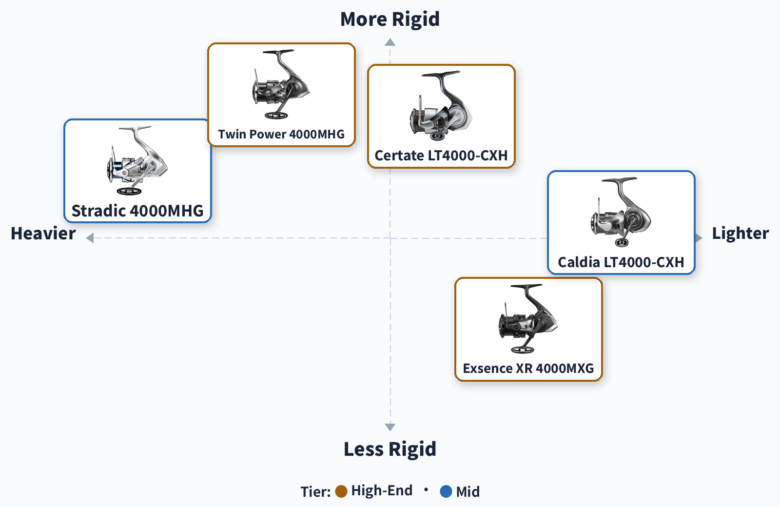
Here’s the reel field mapped by weight and body rigidity, then both halves of the outfit at a glance.
| Rod (rep. model) | Tier | Weight | Lure weight | Price (excl. tax) |
|---|---|---|---|---|
| Shimano Dialuna S96M | Mid | 139 g | 7–38 g (jig 45 g) | ¥33,500 (~A$335) |
| Daiwa Lateo 96M·K | Mid | 147 g | 10–50 g | ¥32,500 (~A$325) |
| Shimano Lunamis S96M | High-end | 130 g | 7–35 g (jig 45 g) | ¥51,000 (~A$510) |
| Daiwa Labrax AGS 96M·N | High-end | 136 g | 10–50 g | ¥52,500 (~A$525) |
| Reel (rep. model) | Tier | Weight | Max drag | Sealing | Price (excl. tax) |
|---|---|---|---|---|---|
| Shimano Stradic 4000MHG | Mid | 275 g | 11 kg | X-Protect | ¥30,300 (~A$303) |
| Daiwa Caldia LT4000-CXH | Mid | 220 g | 12 kg | Magsealed body | ¥32,300 (~A$323) |
| Shimano Exsence XR C3000MHG | High-end | 185 g | 9 kg | X-Protect | ¥41,000 (~A$410) |
| Shimano Twin Power 4000MHG | High-end | 260 g | 11 kg | X-Protect | ¥55,000 (~A$550) |
| Daiwa Certate LT4000-CXH | High-end | 235 g | 12 kg | Magsealed body + roller | ¥58,600 (~A$586) |
If you just want the short answer, these three deliver the most mulloway capability per dollar on this page.
🥇 No.1: Shimano Dialuna S96M (rod)
Flagship blank construction and a carbon monocoque grip at a mid-tier price, in exactly the length and lure range the estuary mulloway game asks for. This is the rod we’d hand a mate starting from zero. ¥33,500 (~A$335).
🥈 No.2: Daiwa Caldia LT4000-CXH (reel)
A 220 g carbon monocoque 4000 with a Magsealed body and a 99 cm retrieve, for barely more than the price of the rod. Bolt it to the Dialuna or Lateo and you have a genuine all-night outfit for around A$660 total. ¥32,300 (~A$323).
🥉 No.3: Shimano Exsence XR C3000MHG (reel)
The only reel here designed for this exact style of fish, at 185 g with flagship gearing and the Rapid Fire Drag for structure fights in the dark. Cheaper than a Twin Power, and more interesting. ¥41,000 (~A$410).
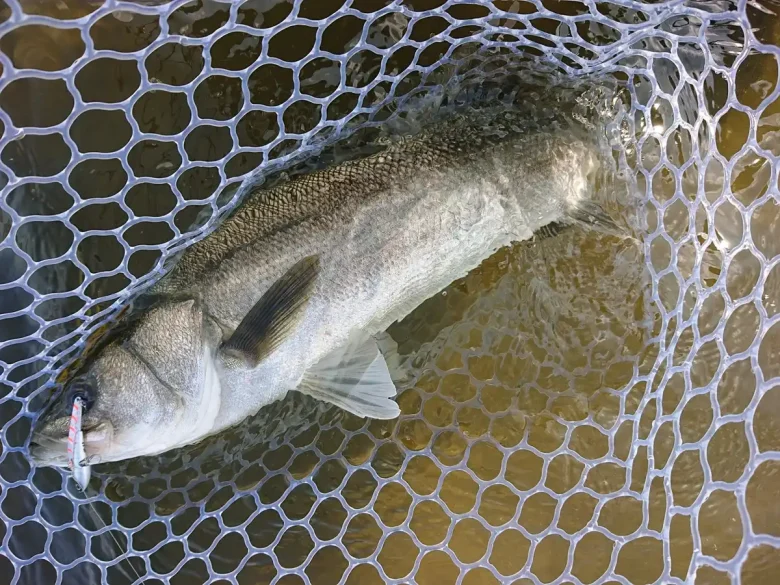
Whichever way you go, spool up with PE1.2–1.5 braid and a 20–30 lb fluorocarbon leader, and set the drag before the first cast. And if you’re wondering what to tie on the end, we’re finishing a companion guide to the best JDM lures and soft plastics for mulloway; it’ll link from here when it’s live.
For estuary and river lure fishing, a 3000 to 4000 size is the sweet spot: enough spool for 200 m of PE1.2–1.5 braid with a drag in the 9–12 kg class. A Shimano C3000 or Daiwa LT3000 suits lighter rods and smaller water; the 4000 is the standard pairing for a 9’0″–9’6″ rod. Heavy surf and rock work calls for bigger SW-body reels, which we cover in our JDM shore jigging reel guide.
For the estuary lure game, yes. Suzuki rods are engineered to stop metre-class fish around bridge pylons on PE1–2, which is the same problem a good mulloway poses. The M and MH models here carry lure ratings to 50–60 g and PE ratings to 2.5. What they’re not built for is heaving big baits into surf on PE4; that job belongs to a dedicated heavy rod, not a seabass blank.
Yes. Every link in this guide points to Amazon Japan, which ships many tackle items internationally; availability and shipping cost show at checkout, and orders over roughly A$59 may qualify for free international delivery. Rods ship in protective tubes. The main trade-offs are shipping time and warranty handling, since a JDM product may need to go back to Japan for service.
For the tactics side, start with our suzuki tactics for mulloway guide, and browse the rest of our JDM tackle guides for Australia for shore jigging, eging and more.
All specifications and prices were taken from the Shimano (fish.shimano.com) and Daiwa (daiwa.com) official Japanese product pages and catalogues. Product images are from Amazon or official product pages and are representative of each series. Affiliate links point to Amazon Japan; we may earn a commission at no extra cost to you. Check your local state regulations on mulloway size and bag limits before you fish.