Shimano Sephia XR vs XTUNE for Australian Eging: 20 Models, and When XR Is Enough
ちゃんま
マイボ!

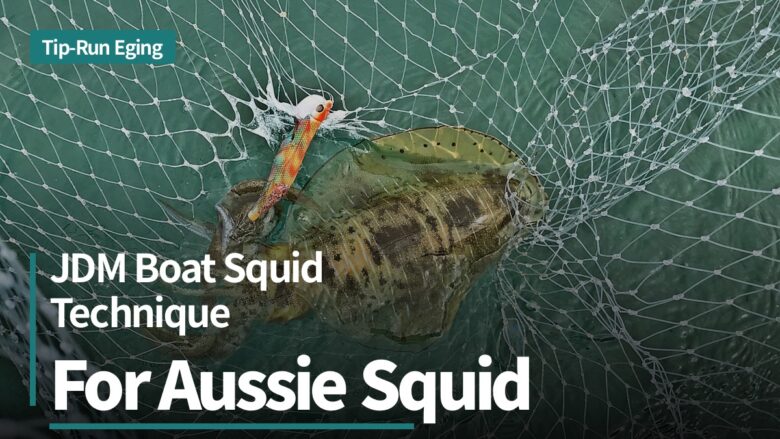
Most Australians who chase squid do it from the rocks or a jetty, casting an egi and working it back. There’s another way, and it comes straight off the boats of Japan. It’s called tip-run eging (ティップラン / tip-run), and instead of casting, you drift over a reef, drop a weighted egi to the bottom, and watch the rod tip for a bite so soft you’d never feel it in your hand. It looks lazy. It isn’t.
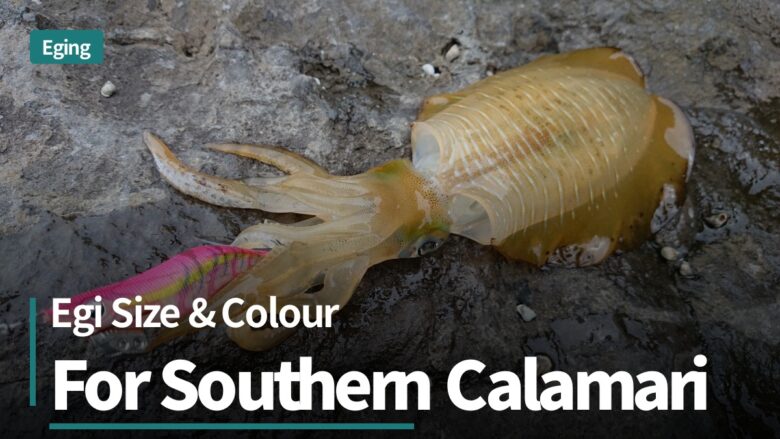
The method was built in Japan for aori squid (aori-ika, Sepioteuthis lessoniana), the prized bigfin reef squid that Japanese anglers obsess over. The good news for us is that the same drift-and-drop approach maps almost perfectly onto Australian southern calamari (Sepioteuthis australis) and arrow squid (Nototodarus gouldi), especially the bigger squid that sit deeper than a shore cast can reach. If you’ve got access to a boat or a charter and you’re tired of blanking on the ledges, this is worth a look.
This is a how-and-why guide, written from Japanese boat experience rather than a spec sheet. If you’re still building the basics, start with our complete guide to eging in Australia, then come back here for the boat side of the game.
A note on links and pricing: the gear here is Japanese-domestic (JDM), so prices are in Japanese yen (tax excluded) with an approximate AUD conversion at A$1 ≈ ¥100, the rate used at the time of writing. JDM items link to Amazon Japan. Ships internationally from Amazon Japan — check availability and shipping cost at checkout. Orders over A$59 may qualify for free international delivery. Always check your local state regulations for current squid size and bag limits before you head out.
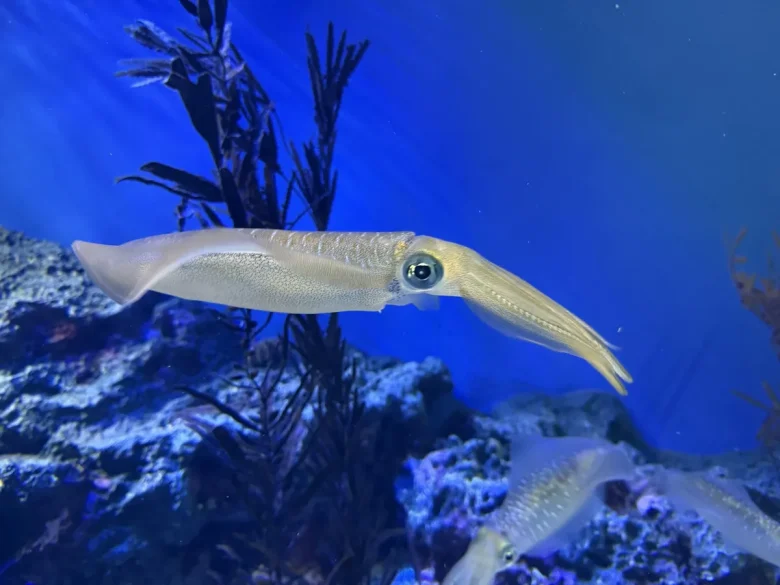
Tip-run is vertical squid fishing from a drifting boat. You don’t cast. The skipper sets a drift across a reef or weed bed, you drop a heavier-than-normal egi straight down until it hits the bottom, then lift it up into the water column with a few sharp jerks and let it hang. During that pause, the boat’s drift drags the egi along at a slow, natural angle, and a squid eases up and grabs it. Here’s the twist that gives the method its name: you don’t feel the bite, you see it in the rod tip. The soft solid tip either loads over or ticks sideways. That’s your cue. You lift into it.
The reason it works is depth. A shore angler can only reach squid in the shallows. From a boat you can sit over 10, 20, even 30 metres of water and put the egi right in front of squid that never see a lure. The heavier “sinker egi” gets you down fast and holds contact with the bottom in wind and current, which a light shore egi simply can’t do out there. It’s a finesse game in deep water, and once you learn to read that tip, it’s addictive.
The core loop is short. Drop to the bottom. Lift and hang. Watch the tip. When it moves, lift into the squid and keep steady pressure, because a hard hookset can tear the egi barbs out of a squid’s soft flesh. Repeat down the drift, then motor back up and go again.
The first time we tried tip-run back home in Japan, it felt like doing almost nothing. We were drifting over reef in maybe fifteen metres, rods held out over the gunwale, egi hanging below. No casting, no long retrieves, just lift, pause, and stare at the tip. It takes patience to trust it. You want to work the lure like you would from shore, and that’s exactly the habit you have to unlearn.
Then the tip did something. Not a thump. It just leaned over, slow and quiet, like the egi had snagged soft weed. We lifted, felt the dead weight pulse, and up came an aori squid. That’s the whole appeal. The takes are gentle and sneaky, and half the fun is catching bites you’d miss with a slack rod. On a slow day, a drifting boat and a sensitive tip still find squid sitting deep.
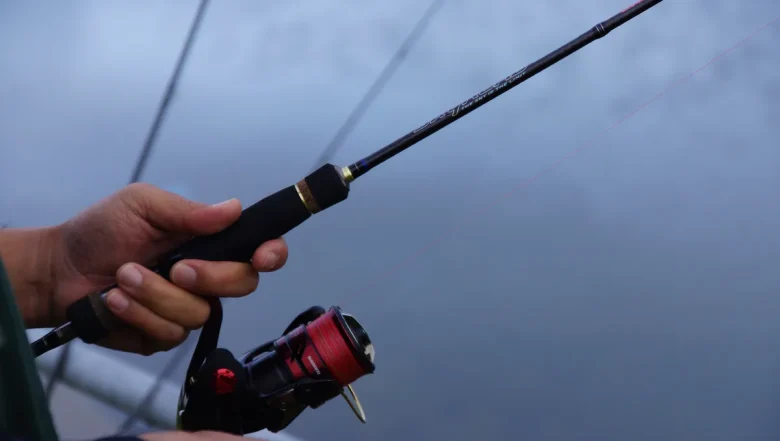
Short answer: for the bite detection, more or less yes. You can start on a soft-tipped shore eging rod, and plenty of people do. But a tip-run rod does one thing a shore rod can’t, and it’s the thing the whole method depends on. It has an ultra-fine solid tip that bends on the weight of the squid, not just on the pull of your hand. That’s how you see the bite. A stiffer shore rod, built to cast and dart an egi horizontally, just won’t show you those soft deep takes.
The other differences follow from that. A tip-run rod is short, because you’re fishing straight down and short rods give control and leverage on a boat, not distance. Here’s the split at a glance.
| Feature | Standard shore eging rod | Dedicated tip-run / boat rod |
|---|---|---|
| Length | 8–8.6 ft, built to cast | Around 6 ft, built for vertical control |
| Tip | Firmer tubular for casting and darting | Very fine solid tip that loads on the bite |
| How you fish it | Cast, then work the egi horizontally | Drop straight down, lift, hang, watch the tip |
| Best water | Shallow shore weed and rock edges | Drifting a boat over deeper reef |
You don’t need to spend a fortune to get the right action. Below are three JDM boat and tip-run rods around the popular 6’5″ length, from an affordable model up to the flagships. The Gamakatsu Luxxe EGTR XX is the true dedicated tip-run rod of the three, with a solid tip tuned specifically for this game; the two Daiwa Emeraldas BOAT rods are boat-eging rods that cover tip-run happily. Prices are tax excluded.
| Model | Length | Rod weight | PE line | Tip dia. | Price (ex-tax) |
|---|---|---|---|---|---|
| Daiwa Emeraldas MX BOAT 65MLS-S | 1.96 m / 6’5″ | 80 g | 0.4–0.8 | 0.7 mm | ¥35,000 (~A$350) |
| Gamakatsu Luxxe EGTR XX S65ML | 1.96 m / 6’5″ | 73 g | 0.3–0.8 | 0.75 mm | ¥64,000 (~A$640) |
| Daiwa Emeraldas EX BOAT 65MLMS-SMT | 1.96 m / 6’5″ | 81 g | 0.4–0.8 | 0.7 mm | ¥73,500 (~A$735) |
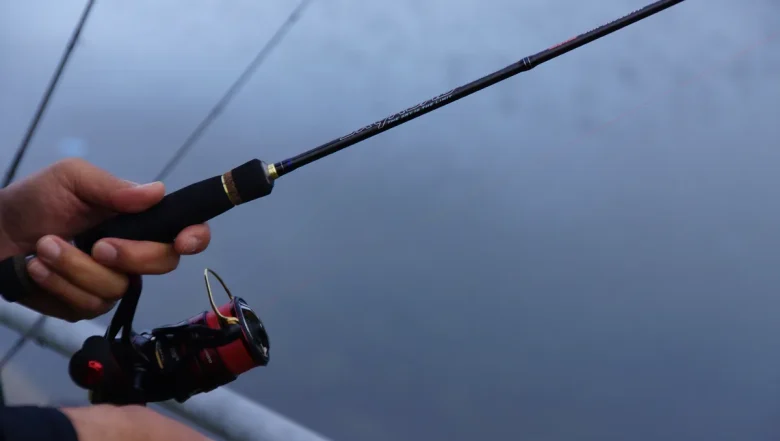
If you already own a soft, solid-tip shore rod and just want to try the method, use it. When you get hooked and want to fish deep water properly, that’s when a dedicated boat rod pays off.
Tip-run uses a “sinker egi”, which is just an egi with extra weight built in or clipped underneath so it sinks fast and holds bottom on the drift. Body size is still measured in Japanese goh (号) numbers, and the 3.0 to 3.5 goh range does almost all the work for our calamari. What changes with conditions isn’t really the egi size, it’s the total weight: the deeper the water and the harder the drift, the more weight you need to feel the bottom.
The rule is simple. Use the lightest weight that still lets you feel the egi touch down and stay near the bottom. Too light and it drags up and away in the drift. Too heavy and you lose the slow, tempting hang that gets bites. Here’s a rough starting point.
| Depth & drift | Egi size | Rough total weight |
|---|---|---|
| Under ~10 m, light drift | 2.5–3.0 goh | 10–20 g |
| 10–20 m, moderate drift | 3.0–3.5 goh | 20–30 g |
| 20 m+, wind or strong current | 3.5 goh | 30–40 g+ |
Colour follows the same logic as shore eging: natural tones in clear water, brighter pinks and oranges when it’s stained or low light, and a glow finish for depth and dawn or dusk. We cover that reasoning in detail in our guide to the best Japanese egi for Australia, and it all carries over to tip-run. Carry a small spread of weights more than a big spread of colours. On the water, getting the weight right is what puts the egi in the strike zone; colour is the fine tuning after that.
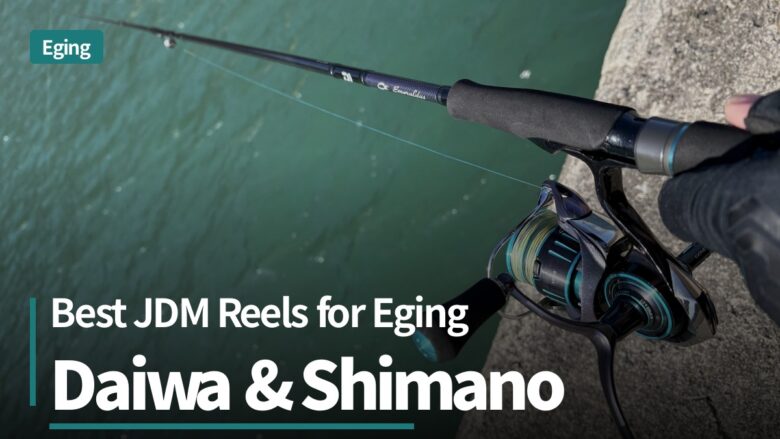
You don’t need a big reel. A small C3000 or LT2500–3000 class spinning reel is the sweet spot: light enough to hold over the side all day, with a smooth drag for squid that pull soft and tear easy. A double-handle model is the quiet upgrade for tip-run: it stops the handle flopping on the pause and helps you hold the egi dead still. Here’s the line side.
| Component | Tip-run starting point |
|---|---|
| Main line | PE 0.5–0.8, high-vis so you can read the drift |
| Leader | Fluorocarbon ~8–10 lb, about 1–1.5 m |
| Reel size | C3000 / LT2500–3000 class |
| Handle | Double handle helps hold the pause |
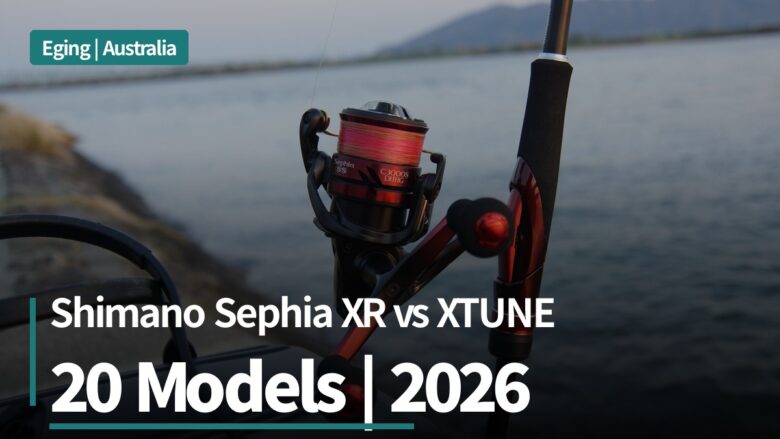
Two JDM reels built for this, both in double-handle trim, sit at the sensible and the premium ends. The Shimano is a straight C3000; the Daiwa is a light LT2500, Daiwa’s eging standard, with a rigid ZAION monocoque body. Prices are tax excluded.
| Model | Size | Weight | Gear ratio | PE capacity | Max drag | Price (ex-tax) |
|---|---|---|---|---|---|---|
| Shimano Sephia XR C3000SDH | C3000 (double handle) | 185 g | 5.1 | PE 0.6–200 m | 9 kg | ¥44,000 (~A$440) |
| Daiwa Emeraldas AIR LT2500S-DH | LT2500 (double handle) | 170 g | 5.1 | PE 0.6–200 m | 5 kg | ¥60,300 (~A$603) |
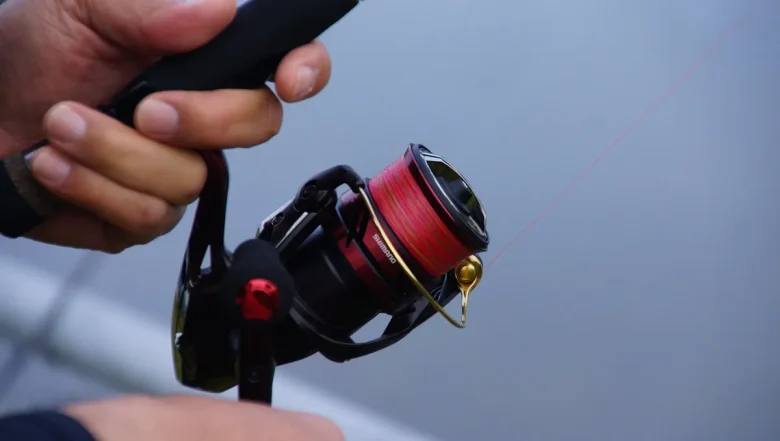
The tackle looks related, but the fishing is a different sport. Shore eging is horizontal: you cast, sink, and dart the egi back to you, and you feel the bite in your hand. Tip-run is vertical: you drop, hang, and drift, and you read the bite off the rod tip instead of feeling it. Shore work rewards distance and casting a light egi; tip-run rewards a fast-sinking heavy egi and a boat that puts you on deep, unpressured squid.
The mindset shift is the hard part. Cast-and-retrieve anglers tend to overwork the egi on a drift. The magic in tip-run is the pause, that quiet hang while the boat does the moving. Do less. Watch more.
If you fish from a boat, yes. Australian southern calamari behave a lot like the aori squid this method was designed around, and the biggest, deepest squid are exactly the ones a shore angler can’t reach. Autumn and winter are the pick of it, when larger calamari move onto reef and weed to feed and spawn, and a drifting boat with a sinker egi covers that water far better than a rock cast ever will.
It’s a niche in Australia right now, and that’s the opportunity. Few local anglers are drifting sinker egi over deep weed. The gear is nearly all Japanese, but it imports easily, and a modest boat rod plus a small reel gets you started. Mind the soft hookset, keep the drift slow, and check your local state regulations for squid size and bag limits, since these vary by state.
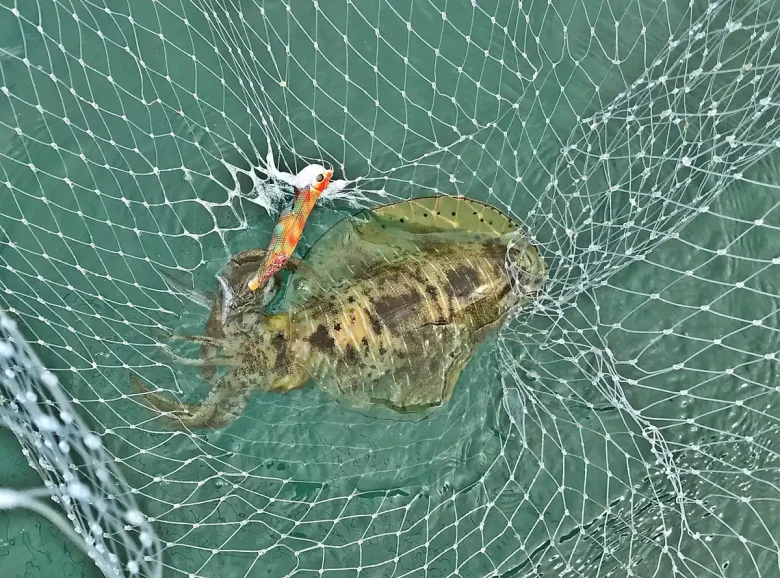
The recommended gear on one page. Pick a rod for your budget, add a small reel, and you have a working tip-run setup.
| Gear | Model | Role | Price (ex-tax) |
|---|---|---|---|
| Rod, value | Daiwa Emeraldas MX BOAT 65MLS-S | Affordable way into a real boat rod | ¥35,000 (~A$350) |
| Rod, dedicated | Gamakatsu Luxxe EGTR XX S65ML | Short, solid-tip tip-run specialist | ¥64,000 (~A$640) |
| Rod, flagship | Daiwa Emeraldas EX BOAT 65MLMS-SMT | Metal-top sensitivity for deep drifts | ¥73,500 (~A$735) |
| Reel | Shimano Sephia XR C3000SDH | C3000 double-handle workhorse | ¥44,000 (~A$440) |
| Reel, premium | Daiwa Emeraldas AIR LT2500S-DH | Light ZAION body, premium finish | ¥60,300 (~A$603) |
Two ways to start, depending on how deep you want to go on day one.
Top pick: Gamakatsu Luxxe EGTR XX S65ML
The only true tip-run rod in the group, with a solid tip tuned to show those soft deep bites, and a short 6’5″ length that’s easy to control on a drifting boat. If you already know you’ll fish deep water seriously, buy the right tool once. It’s the rod that makes reading the tip feel natural.
Budget pick: Daiwa Emeraldas MX BOAT 65MLS-S
A boat-eging rod at less than half the flagship price, with the short length and soft tip the method needs. It won’t have the last word in sensitivity, but it catches squid and it’s the low-risk way to find out whether tip-run grabs you. Pair it with the Sephia XR reel and you’re fishing.
You can start with one, especially a soft, solid-tip model, and it’s a fine way to try the method before committing. The catch is bite detection: a shore rod is built to cast and dart, so it won’t show the soft deep takes as clearly as a dedicated tip-run rod with its ultra-fine solid tip. If you find yourself fishing deep water often, a short boat rod is the upgrade that matters most.
Mostly southern calamari (Sepioteuthis australis), which behave much like the Japanese aori squid the method was built for, plus arrow squid (Nototodarus gouldi) over deeper ground. The bigger, deeper squid are exactly the ones a shore cast can’t reach, which is where tip-run shines. Check your local state regulations for current squid size and bag limits, as they vary by state.
Autumn and winter are the standout months. Larger calamari move onto reef and weed beds to feed and spawn through the cooler part of the year, and a drifting boat with a sinker egi covers that deeper water far better than a rock or jetty cast. Slow drifts and gentle hooksets do the rest.
For the rest of the setup, see our full guide to eging in Australia, our pick of the best Japanese egi for Australia, and the matching best JDM reels for eging.
Rod and reel specifications are referenced from Daiwa, Shimano and Gamakatsu official product information. Prices are approximate street prices, tax excluded, in JPY with an approximate AUD conversion at A$1 ≈ ¥100 at the time of writing, and will vary. Affiliate links may earn us a commission at no extra cost to you. Always check your local state fishing regulations for current squid size and bag limits.