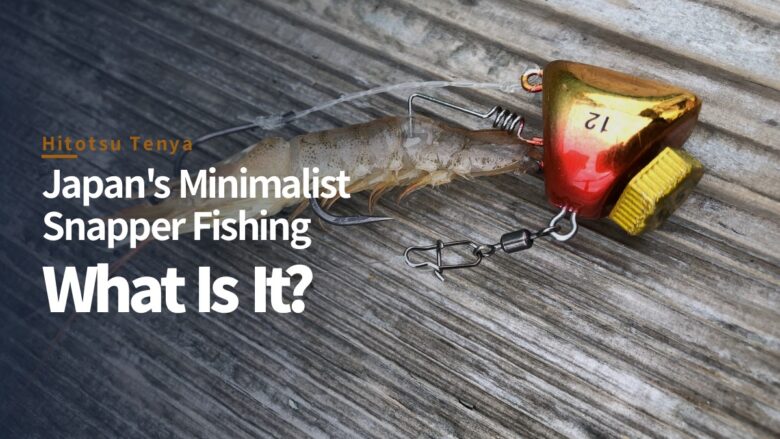
What Is Hitotsu Tenya? Japan's Minimalist Snapper Fishing
ちゃんま
マイボ!

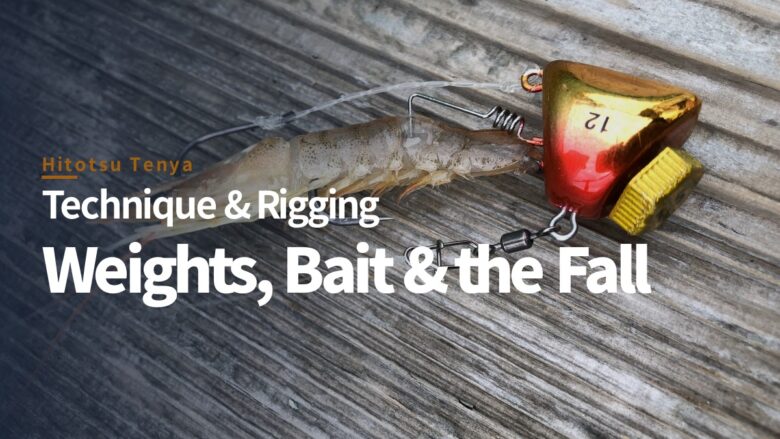
The line is sliding off the spool, the tenya is somewhere mid-fall, and then the line just stops. Too early to be bottom. That half-second is hitotsu tenya in a nutshell: the bite comes while the rig is falling, and whether you turn it into a fish depends on decisions you made before you ever dropped. The weight you tied on. How straight the shrimp sits. How much slack you’re letting out.
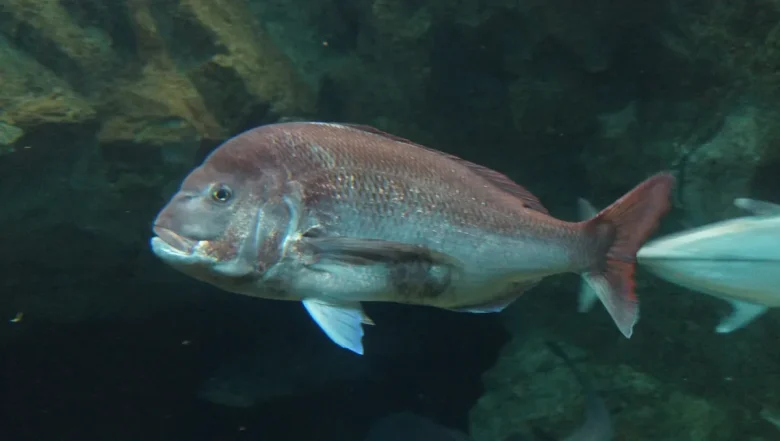
Hitotsu tenya (ひとつテンヤ, “single tenya”) is Japan’s light-tackle bait method for madai (真鯛, red sea bream): one weighted jig head, one shrimp, thin PE line, and nothing else between you and the fish. If you’re new to the method and want the full background, start with our hitotsu tenya guide. This article is the practical half: how to choose the weight, rig the bait, control the fall, and convert bites into hookups.
I fish out of a small boat in Japanese coastal waters, and tenya is the method where technique gaps show up fastest. Two anglers, same boat, same shrimp, and one of them catches three fish to the other’s zero. The difference is almost never the tackle. It’s the details below.
Here’s the whole method compressed. If you remember nothing else from this page, remember this sequence.
And the two rules that govern everything: fish the lightest tenya that still lets you find bottom, and don’t strike the first taps; set hard when the tip gets pulled down properly. The rest of this guide unpacks how to actually do each of those things, because that’s where the fish are won.
A tenya is a flat-bellied lead (or tungsten) head with two hooks: a long-shank main hook cast into the body, called the oya-bari (親針, “parent hook”), and a small assist hook on a short cord, the mago-bari (孫針, “grandchild hook”), that sits near the head of the shrimp. The flat belly is what makes the head rock and flutter on the drop instead of plummeting like a sinker. Everything upstream of it exists to let that light head fall naturally and to pass the faintest contact up to your hand.
| Component | Standard setup | Why it matters |
|---|---|---|
| Rod | Dedicated tenya rod, around 8 to 8.5 ft, soft solid tip | Shows the fall and the pre-bite; loads to set the hook |
| Reel | 2500 to 3000 spinning reel, smooth light drag | Spinning lets a light tenya free-fall naturally |
| Main line | PE 0.6 to 0.8 braid (roughly 12 to 16 lb) | Thin line cuts current and telegraphs bites |
| Leader | Fluorocarbon 8 to 12 lb, about two rod lengths, FG knot | Abrasion resistance near rocks without killing feel |
| Tenya | #3 to #20 depending on depth and current | Weight selection is covered in the next section |
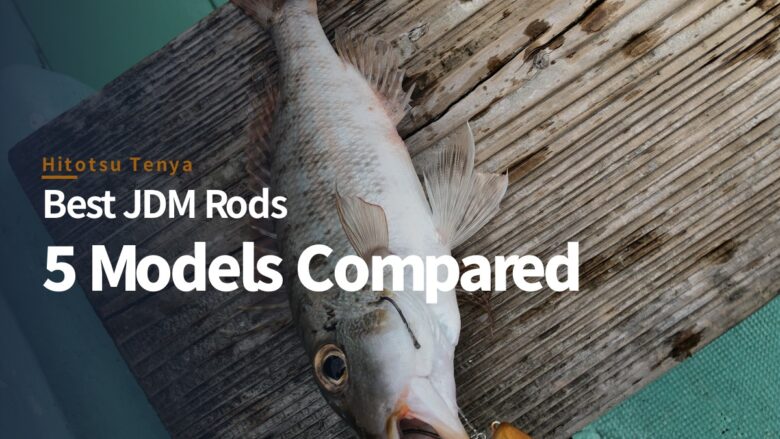
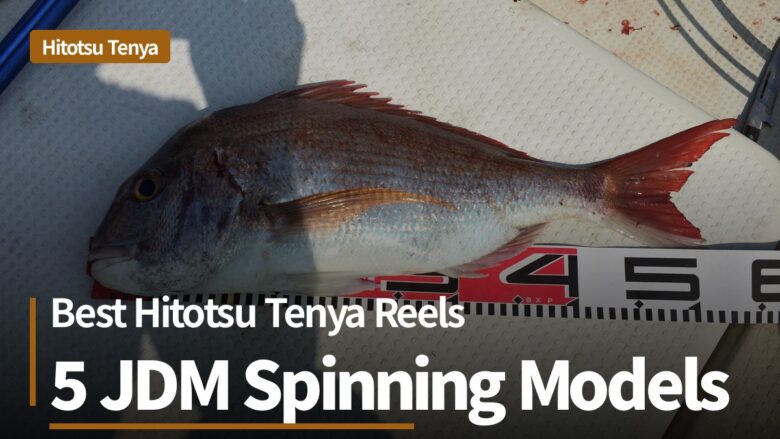
Why a spinning reel and not a small baitcaster? Because an open bail gives a light tenya the cleanest, most natural free-fall, and free-fall is the core of the presentation. There are baitcasting tenya styles in Japan, but spinning is the standard and by far the easier way in. If you’re still putting a setup together, we’ve covered the best hitotsu tenya rods and best hitotsu tenya reels separately, so this article stays focused on how to fish them.
Tenya heads are sized in a traditional Japanese unit called go (号). One go is about 3.75 grams, so a #8 tenya weighs roughly 30 grams. Weight selection is the single decision beginners agonize over most, and the logic is refreshingly simple: use the lightest tenya that still lets you feel the bottom. Lighter falls slower and more naturally, and slower falls get more bites. But a tenya that never finds bottom isn’t fishing at all, so there’s a floor.
| Water depth | Tenya size | Approx. weight |
|---|---|---|
| Up to 20 m | #3 to #5 | 11 to 19 g |
| 20 to 40 m | #6 to #8 | 22 to 30 g |
| 40 to 60 m | #8 to #12 | 30 to 45 g |
| 60 m and deeper, or fast current | #12 to #20 | 45 to 75 g |
Current and wind push those numbers up. On a day with a hard drift, the same 30-meter mark that fishes sweetly with a #6 might need a #10 before you can hold contact. If you can’t tell when the tenya lands, go heavier immediately. Losing the bottom is the number one silent fish-killer in this method, and no amount of finesse compensates for fishing blind. Japanese charter captains usually call out a recommended size for the day, and following the boat’s call is exactly the right instinct.
Bait rigging is where tenya is genuinely different from a lure method, and it’s worth doing slowly the first few times. The goal is one word: straight. A shrimp that lies straight along the hook shank glides and flutters like a living thing. A shrimp with a bend in it spins on the fall, twists your leader, and gets ignored.
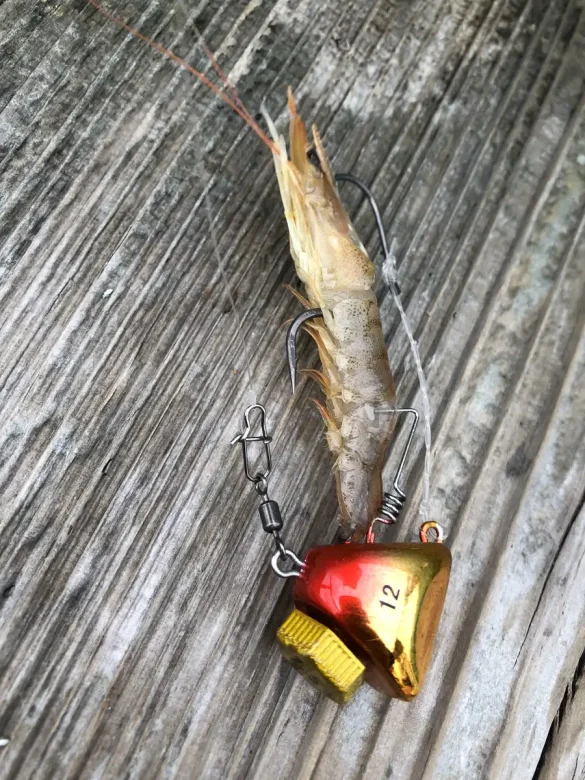
Live shrimp is the ideal because it adds its own movement, but it’s expensive and hard to source, so frozen shrimp is what most Japanese boats actually supply. Frozen catches plenty of fish. It does soften with every drop, though, so check the bait each time you retrieve and swap it the moment it looks ragged or has been half-eaten. Fishing an empty or mangled hook for ten minutes is one of the most common ways to waste a good tide.
Most tenya bites come on the fall, so the fall is what you’re managing from the moment the rig leaves your hand. Don’t just drop it over the side. A light cast up-current starts the tenya on a diagonal path, which stretches the fall out over more time and more water. More seconds falling means more seconds in front of fish.
During the drop, keep the bail open but rest a fingertip on the spool, feathering the line as it leaves. Fully locked-up and the tenya swings unnaturally; fully loose and a belly of slack forms that hides both the bottom and the bites. You’re aiming for a controlled free-fall where the line stays just tense enough to read. Watch the point where the line enters the water. It’s your bite indicator.
When the line goes slack and stops running out, that’s touchdown. Close the bail right away and take up the slack, because the first moments after the tenya lands are the best bite window of the entire cycle. Madai watch the bottom for crustaceans drifting down, and a shrimp that has just settled is exactly what they’re looking for. From there, lift the rod slowly and smoothly to raise the tenya a couple of feet, hold a beat, then lower the tip and let it flutter back down on a slack line. That soft, tension-free fall is the “pause” that feeds fish. Hold the rod so the line and rod tip meet at roughly a right angle, and bites will show clearly in the tip.
No takers? Change something small. Lift higher, fall slower, shorten or stretch the pause. Some days madai want the bait barely crawling off the bottom, other days they’ll rise a few meters to meet it. The lift-and-fall cycle is your search pattern; keep editing it until the fish vote.
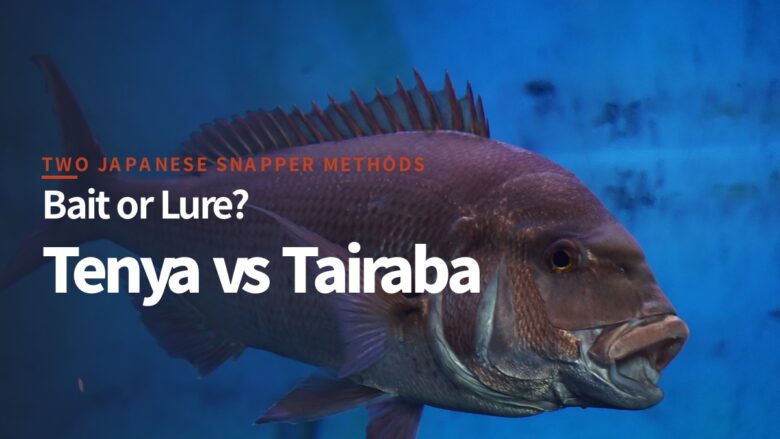
Bites show up in two places. On the fall, the line does the talking: it stops early, jumps, or suddenly goes slack because a fish has lifted the tenya. Any of those, tighten up and lift into it. Through the rod tip, the classic pattern is a small kotsu-kotsu (コツコツ) tapping first. That’s a pre-bite, the fish mouthing the shrimp. Wait. When the tip gets pulled down with real weight, that’s the main bite, and you set the hook with a firm, full sweep. Tenya is a bait method, so you strike; if you fish it like tairaba and just keep winding, you’ll miss fish after fish. We’ve broken down that contrast in our tenya vs tairaba comparison if you want the two methods side by side.
If there’s slack in the line when the main bite comes, drop the rod tip toward the fish for a moment, come tight, and then set big. A hookset through a bow of slack moves the tenya a few inches instead of a few feet, and the fish swims off unbothered.
Once you’re hooked up, the character of the fight changes the job. Madai surge hard right after the hookset, and you’re holding thin line and small hooks. Don’t muscle the first run. Set the drag slightly loose from the start, let the fish take line when it wants it, and avoid pumping the rod. Steady, patient tension beats aggression every time here, and a net at the boat finishes what the light tackle started.
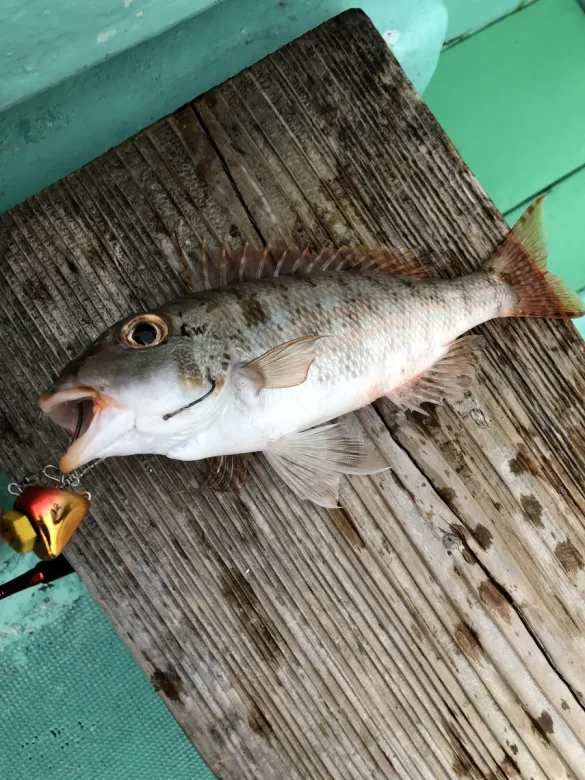
A note from my own boat: the habits that actually separate catching from watching are boring ones. Re-drop the moment you lose touch with the bottom, because a drifting boat pulls the tenya out of the zone faster than you think. Make a real pause on every fall instead of hurrying the cycle. And check the shrimp every single retrieve. None of that is glamorous, but on slow days it’s the whole difference.
Almost every beginner struggle in tenya traces back to one of four causes, and all four have fast fixes.
| Symptom | Likely cause | Fix |
|---|---|---|
| Can’t tell when the tenya lands | Head too light, or too much slack in the line | Go up a size or two; feather the spool on the drop |
| Taps but no hookups | Striking the pre-bite | Wait for the tip to be pulled down, then set hard |
| Leader twisted, few bites | Shrimp rigged with a bend, spinning on the fall | Re-rig the bait dead straight along the hook |
| Fish lost right after hookset | Drag locked down on thin line | Loosen the drag and let the first run happen |
You don’t need brand-name heads to fish this method, but the JDM tenya lineups make it easy to build a weight spread with consistent shapes and hook quality. Dedicated tenya are largely a Japan-only category, so these links go to Amazon Japan, which ships internationally; check availability and shipping cost at checkout.
Start with a small spread rather than one head: something light, something middle, something heavy for your local depths. The weight chart above tells you where your money should go first.
Yes. Tenya is a bait method, so unlike tairaba you strike. Let the small kotsu-kotsu taps pass, and when the rod tip is pulled down decisively, set the hook immediately with a firm sweep.
Match depth: a spread from #5 to #12 (about 19 to 45 g) covers most fishing between 20 and 60 meters. Use the lightest size that still lets you feel the bottom, and go heavier when current or wind picks up.
Frozen shrimp catches plenty of madai and is what most Japanese charter boats supply. Live shrimp adds natural movement if you can get it. Either way, rig the bait straight and replace it often; bait condition matters more than bait type.
Hitotsu tenya technique comes down to a short chain of skills: pick the lightest weight that finds bottom, rig the shrimp dead straight, control the fall instead of just allowing it, wait out the pre-bite, and set hard on the real one. Each link is simple. Fish enough drops and the chain becomes automatic, and that’s when the method gets addictive. For the full picture of the fishery, gear included, circle back to our complete hitotsu tenya guide.
Bait and species rules vary widely by state and country, so check your local regulations before you fish.