What Is Hitotsu Tenya? Japan's Minimalist Snapper Fishing
ちゃんま
マイボ!

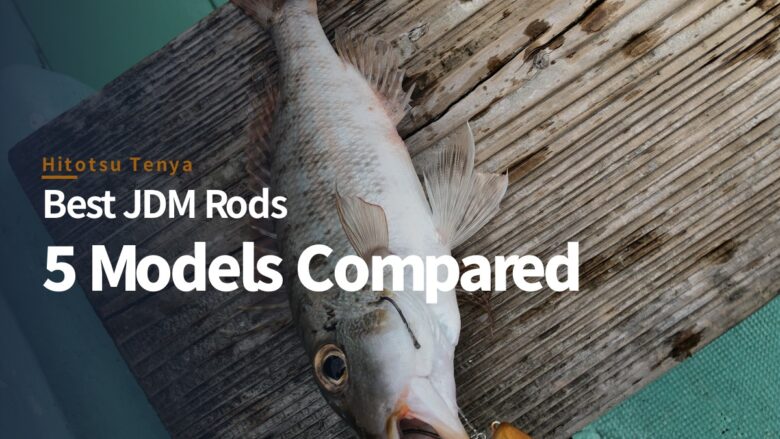
Short version: for most anglers the Shimano Engetsu SS is the hitotsu tenya rod to buy, and the Major Craft Granship 1G is the one to start with if you’re not yet sure the method will stick. The rest of this page is about the cases where those two aren’t the right call.
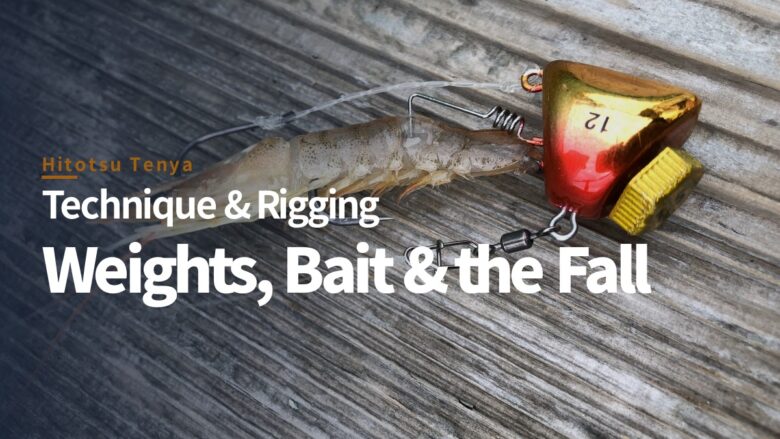
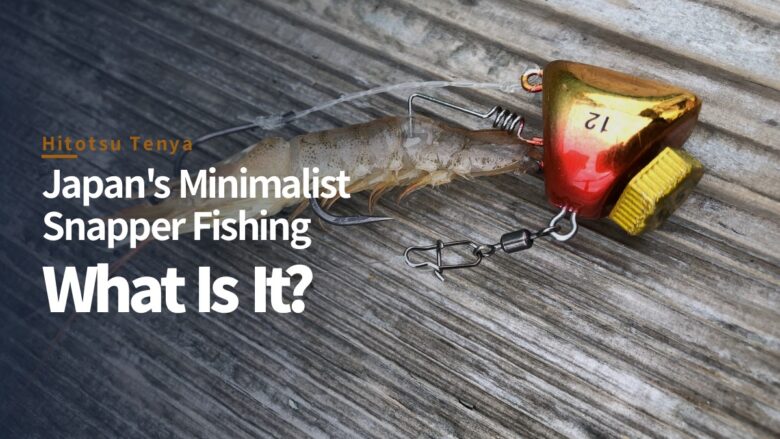
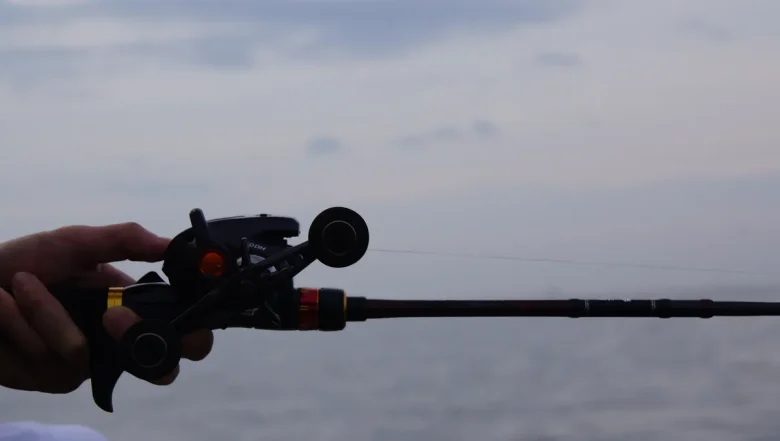
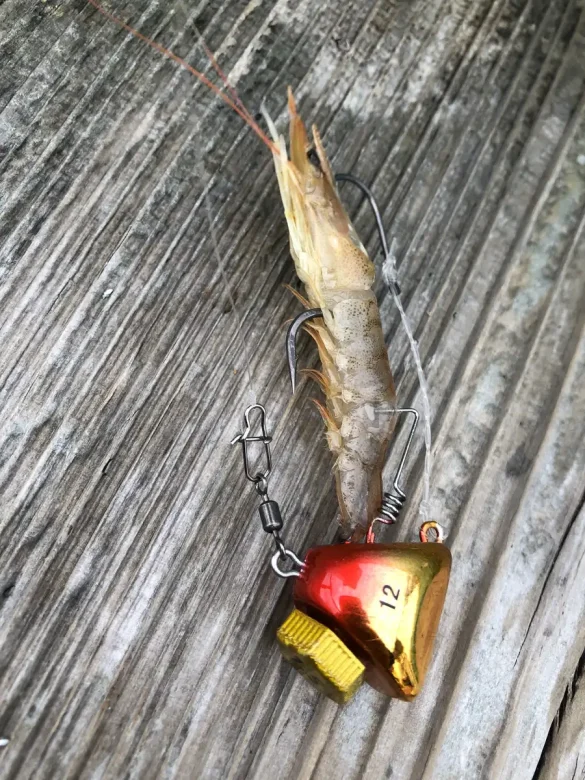
Hitotsu tenya (ひとつテンヤ, literally “single tenya”) is the Japanese finesse way of fooling pressured madai (鏃 / マダイ, red sea bream). One weighted jig head, a shrimp pinned to the hook, dropped and drifted. No skirts, no rubber, no flashy blade. The tenya itself is lead with a fixed hook, sized in go (号) rather than ounces, and the rod has to do two jobs that pull against each other: a tip soft enough to telegraph a bite you can barely feel and let the fish take the bait, and a butt with the spine to drive the hook home and turn a good fish. That balance is the whole game, which is why the rod matters more here than in almost any other bottom method.
This one is a spoke off our hitotsu tenya guide, so start there if the method is new to you. Here it’s purely the gear: five Japan Domestic Market (JDM) rods I’d happily fish for madai, spanning a budget value pick to a flagship blank, every spec pulled straight from the makers’ catalogues. Cross-shopping bottom methods? Our tairaba fishing guide covers the closest cousin.
A note on links and pricing: these are JDM rods, so the buy links point to Amazon Japan, which ships internationally (check availability and cost at checkout). Where a confirmed product page wasn’t available, the link is a tagged search on Amazon Japan. Prices are Japanese RRP with an approximate USD conversion at the time of writing (~¥160 = $1, June 2026); tax handling is noted per table. Always check live pricing before you buy.
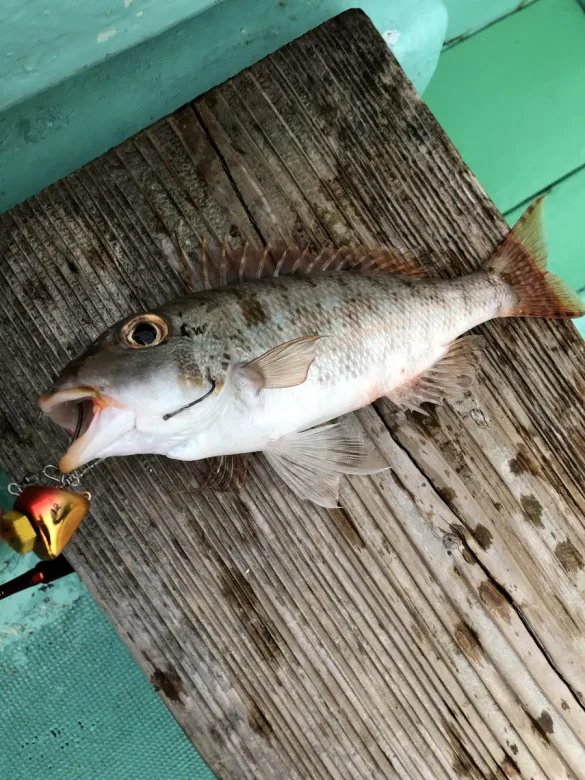
Three picks, then the detail. Want one rod that handles most madai water so you never think about it again? Take the first. First tenya trip, borrowed boat, no idea if you’ll like it? The second. Already hooked on the method and counting bites you nearly missed? That’s where the third starts making sense.
Top pick: Shimano Engetsu SS 240MH
The best balance of feel, build and price on this page. Spiral X and Hi-Power X blank construction, a sensitive carbon solid tip, and ten models to pick from, all from a brand most anglers already trust. Around $199 buys a rod you won’t outgrow. ¥31,900 (~$199), tax excl.
If you’re testing the water: Major Craft Granship 1G GR1HT-S782MH
A real solid-tip carbon blank, Fuji K-guides and a 2-15 go rating for around $111. It gives up sensitivity to the premium sticks. It also catches the same madai, which is what matters while you’re still deciding whether tenya is your thing. ¥17,820 (~$111), tax incl.
If tenya is already your thing: Gamakatsu Luxxe Sakuragen Tai Tenya S82MH
TORAYCA T1100G carbon, a hollow ReSOUND grip and a spiral-guide blank built for one method and nothing else, at a price under the true flagships. Settle on your model before you order, because the range runs seven deep. ¥43,500 (~$272), tax excl.
Engetsu (炎月) is Shimano’s madai family, and the SS is the mid-grade hitotsu tenya range inside it. It’s the rod most Japanese anglers end up on, for a reason that’s boring in the best way: there’s no compromise in it you’ll actually notice on the water. The blank runs Spiral X and Hi-Power X construction, cross-wrapped carbon tape that kills twist and crush, so it stays tight and direct under load instead of going soggy. Tops are Tough Tech carbon solid, with the higher Tough Tech Alpha grade on the 240M, and the Hyper Non-Contact II surface coating keeps line off the blank for cleaner bite detection. It’s the sweet spot of the whole category.
Ten models cover spinning and baitcaster, from a light 240M (1.5-12 go) up to a 240HH (4-25 go), so matching rod to water is a matter of reading the chart rather than settling. Where the SS stops short is the very top of the sensitivity scale. It sits below Shimano’s metal-tip flagships, and the faintest bites don’t come through as sharply as they do on an Engetsu XR or a Daiwa SMT rod.
| Feature | What it does |
|---|---|
| Spiral X + Hi-Power X | Cross-wrapped carbon tape that resists twist and crush for power and direct feel |
| Tough Tech / Tough Tech Alpha tip | Carbon solid tip; the Alpha grade (240M) adds sensitivity and faster response |
| Hyper Non-Contact II | Dotted blank coating that keeps line off the blank for better bite detection |
| Perfection Seat CI4+ | Lightweight carbon-resin spinning reel seat for sensitivity and grip |
| X-Seat (bait models) | Shimano’s gun-grip and front-trigger seats on the baitcaster versions |
| Model | Type | Length | Tenya (go / g) | Weight | Price (excl. tax) |
|---|---|---|---|---|---|
| Engetsu SS 240M | Spinning | 2.40 m | 1.5-12 / ~6-45 | 110 g | ¥31,400 (~$196) |
| Engetsu SS 240MH | Spinning | 2.40 m | 2-15 / ~8-56 | 113 g | ¥31,900 (~$199) |
| Engetsu SS B240MH+ | Baitcaster | 2.40 m | 2-18 / ~8-68 | 119 g | ¥32,200 (~$201) |
Who it suits: the angler who fishes tenya regularly, wants one rod that does all of it from a brand they trust, and would rather put the difference into tenya heads and shrimp. The 240MH is the natural first pick for most madai water, the lighter 240M for shy bites and small tenya. If the SS is a stretch, Shimano’s Engetsu BB starts around ¥22,100.
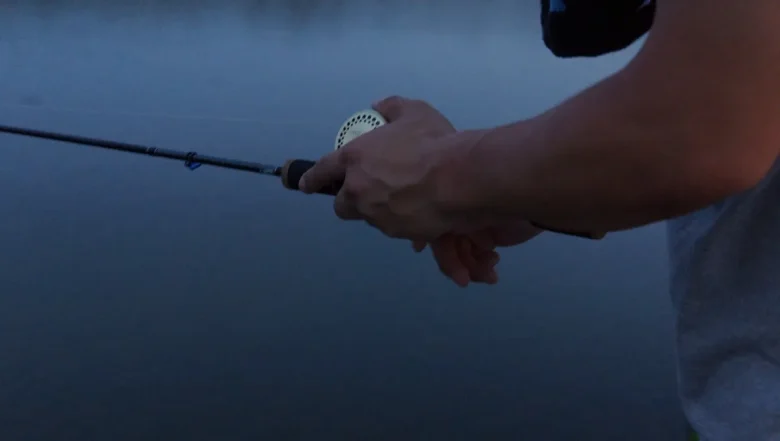
Major Craft built its name on real performance for not much money, and at ¥16,200 the Granship 1G is a fraction of everything else here. You still get a proper carbon solid tip, a mid-and-high-modulus blank tuned for the job, and a Fuji K-guide setup that fends off tangles. As a first tenya rod, or as a knockabout second rod that lives on the boat, it’s the smartest entry point in the category.
| Feature | What it does |
|---|---|
| Mid + high-modulus blend | Mid-modulus carbon for a forgiving, fish-fighting blank, high-modulus carbon placed where it adds power and feel |
| Solid tip | Sensitive carbon solid tip that lets madai take the bait without feeling resistance |
| Fuji K-guides | Tangle-resistant K-frame guides with Major Craft’s own setting for thin PE braid |
| Removable grip | Separate, detachable grip for easier transport and storage |
| Action | 7:3 taper, easy for newer anglers to load and learn the rhythm |
| Model | Type | Length | Tenya (go / g) | PE max | Weight | Price (incl. tax) |
|---|---|---|---|---|---|---|
| Granship 1G GR1HT-S782MH | Spinning | 7’8″ | 2-15 / ~8-56 | 1.2 | 107 g | ¥17,820 (~$111) |
| Granship 1G GR1HT-S762H | Spinning | 7’6″ | 4-18 / ~15-68 | 1.5 | 109 g | ¥17,820 (~$111) |
| Granship 1G GR1HT-S762H/B | Baitcaster | 7’6″ | 4-18 / ~15-68 | 1.5 | 118 g | ¥17,820 (~$111) |
Four models, three spinning and one baitcaster, covering 2 to 25 go (roughly 8 to 94 g). The S782MH is the everyday all-rounder, the S762H leans toward the livelier Seto Inland Sea style with live shrimp, and the newer S762XH takes on deep water and heavy current. It loads a tenya. It lands madai. What it won’t do is resolve the faintest bites, and the finish is plain next to the premium rods. At a quarter of their price, that’s the trade.
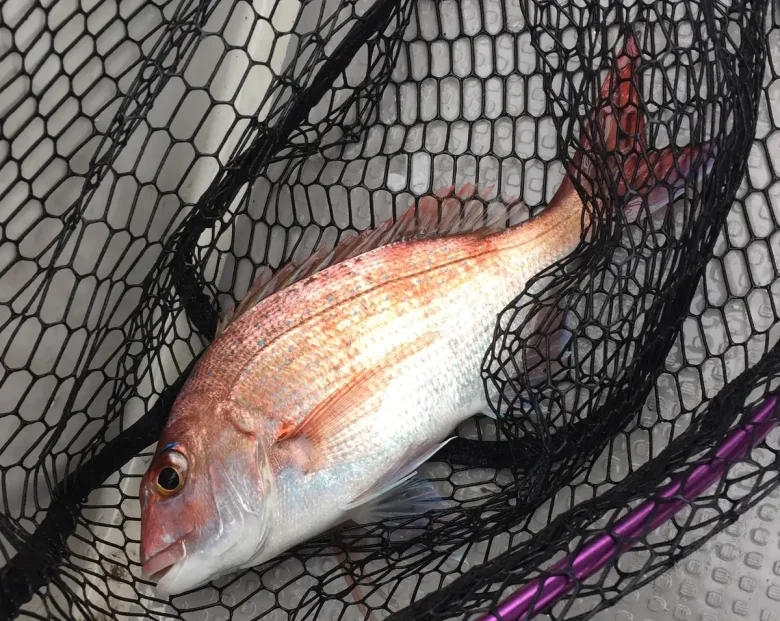
Luxxe is Gamakatsu’s premium tackle brand and Sakuragen (桜幻) is the madai family inside it. Two tenya rods carry the name: the standard Sakuragen Tai Tenya, built for anglers obsessed with this one method, and the Tai Tenya X, the 2025 flagship that sharpens it. They’re close enough on paper that the choice between them deserves its own space.
The standard rod uses TORAYCA T1100G carbon with NANOALLOY resin, a sensitive solid tip, and an all-single-foot spiral guide layout that hugs the line tight to the blank for sensitivity and fewer tangles. The hollow ReSOUND grip is the clever bit, stripping out dead vibration so faint bites and bottom contact come through clearer. The range is generous: seven models, spinning and bait, from a light S82ML (1-10 go) to a beefy B74XH+ baitcaster (6-30 go). Long S82 models cast the light rig a long way; the shorter, harder models bully fish out of deep current. Seven models also means the spread can take a minute to decode until you know your tenya window.
| Feature | What it does |
|---|---|
| TORAYCA T1100G + NANOALLOY | Toray’s ultra-high-strength carbon and nano-alloy resin for a strong, light, sensitive blank |
| Solid tip | Carbon solid tip that loads on light bites without spooking madai |
| All-single-foot spiral guides | Single-foot spiral layout that holds line near the blank for sensitivity and fewer wraps |
| ReSOUND grip | Hollow reel-seat construction that removes dead vibration to sharpen bite and bottom feel |
| Spigot joint | Internal spigot ferrule for a precise, smooth blank bend across the two-piece |
| Model | Type | Length | Tenya (go / g) | PE | Weight | Price (excl. tax) |
|---|---|---|---|---|---|---|
| Sakuragen Tai Tenya S82ML | Spinning | 8’2″ | 1-10 / 4-38 | 0.5-1 | 103 g | ¥42,500 (~$266) |
| Sakuragen Tai Tenya S82MH | Spinning | 8’2″ | 3-15 / 11-56 | 0.5-1.2 | 110 g | ¥43,500 (~$272) |
| Sakuragen Tai Tenya B76XH | Baitcaster | 7’6″ | 5-25 / 18-94 | 0.5-1.5 | 110 g | ¥45,000 (~$281) |
The X keeps that T1100G base and blends in higher-modulus material for a lighter, crisper feel. Every model gets a hard-type solid tip for more bottom feedback and finer bite resolution, and the guides go hybrid: titanium-frame SiC up top for sensitivity and weight, stainless SiC down the butt for durability. Pair that with a Toughlight reel seat and the same hollow ReSOUND grip and the rod is noticeably more alive in the hand than the standard Sakuragen. Five models, spinning plus one baitcaster, from a finesse S245MH+ (3-15 go) up to a heavy B225XH+ (6-30 go).
| Feature | What it does |
|---|---|
| T1100G + high-modulus mix | Toray T1100G blended with high-modulus carbon for a lighter, crisper, more sensitive blank |
| Hard-type solid tip | A firmer solid tip with sharper response for better bottom feel and bite detection |
| Hybrid guides | Titanium-frame SiC at the tip for sensitivity, stainless SiC at the butt for durability |
| Toughlight seat + ReSOUND grip | Light carbon-resin reel seat with a hollow grip that strips out dead vibration |
| All-single-foot spiral guides | Spiral guide layout that keeps line tight to the blank for feel and fewer tangles |
| Model | Type | Length | Tenya (go / g) | PE | Weight | Price (excl. tax) |
|---|---|---|---|---|---|---|
| Sakuragen Tai Tenya X S245MH+ | Spinning | 2.45 m | 3-15 / 11-56 | 0.5-1.2 | 100 g | ¥67,000 (~$419) |
| Sakuragen Tai Tenya X S235H | Spinning | 2.35 m | 3-20 / 11-75 | 0.5-1.5 | 98 g | ¥67,000 (~$419) |
| Sakuragen Tai Tenya X B225XH+ | Baitcaster | 2.25 m | 6-30 / 23-112 | 0.5-1.5 | 107 g | ¥67,000 (~$419) |
So which of the two? At ¥43,500 the standard Sakuragen covers the vast majority of madai days and leaves money over for tenya heads. The X asks ¥67,000, a serious investment for one method, and it repays that only if you fish tenya hard enough to care about the last few percent of bite resolution. Buying the standard, take the S82MH; the lighter S82ML for finesse, the B76XH for heavy water. Buying the X, the S245MH+ is the all-round pick and the S235H adds a touch more authority.
Kohga (紅牙) is Daiwa’s madai brand, and the Tenya Game EX (紅牙テンヤゲームEX) sits at the very top of it. Two of the four models carry an SMT (Super Metal Top), a super-elastic titanium-alloy tip that transmits bites in a range carbon simply can’t reach. The blank is SVF Compile-X Nano Plus, and the guides are AGS, Daiwa’s carbon-frame system that’s lighter and stiffer than titanium. As a bite-detection instrument this is about as far as tenya rods go, full stop.
| Feature | What it does |
|---|---|
| SMT (Super Metal Top) | Super-elastic titanium-alloy tip; the metal amplifies vibration for bites carbon can’t transmit |
| SVF Compile-X Nano Plus | Ultra-high-density carbon with Toray nano-alloy resin for strength and low weight |
| AGS (Air Guide System) | Carbon-frame guides, roughly three times stiffer than titanium, that pass signal straight to the blank |
| X45 + V-Joint Alpha | Bias carbon wrap and a refined ferrule for twist control and a smooth, continuous bend |
| MEGA TOP R (non-SMT models) | Ultra-high-elasticity carbon solid tip for high sensitivity on the carbon-tip models |
| Model | Length | Tip | PE | Weight | Price (excl. tax) |
|---|---|---|---|---|---|
| Kohga Tenya Game EX S/MH-236SMT | 2.36 m | SMT metal | 0.4-1.2 | 97 g | ¥88,500 (~$553) |
| Kohga Tenya Game EX MH-232 | 2.32 m | MEGA TOP R | 0.4-1.2 | 92 g | ¥87,500 (~$547) |
| Kohga Tenya Game EX H-230SMT | 2.30 m | SMT metal | 0.4-1.2 | 98 g | ¥88,500 (~$553) |
The range runs from a light S/MH-236SMT to a hard H-230SMT, every model rated for fine PE from 0.4 to 1.2, which tells you plainly what it’s built for: feel, not brute force. The SMT metal tips are the headline; the MEGA TOP R carbon model suits anglers who prefer a carbon feel. Then there’s the price. At around ¥87,500 it costs five times the Major Craft, and it’s strictly for the dedicated angler who will fish it enough to justify the outlay. Daiwa’s Kohga Tenya Game MX sits a tier below with much of the same technology.
If none of the five lands exactly on your water, these are the numbers that decide it for you. Nail them and the badge on the blank matters a lot less than the chart does.
One thing worth saying up front: you do not need to spend a fortune to fish hitotsu tenya well. The cheapest rod here is around $101 and it catches the same madai as the flagship. Spend more when sensitivity, lower weight, or a metal tip genuinely change how many bites you detect.
Cheapest to dearest, with a representative all-round model from each range.
| Rod (model) | Brand | Tier | Type | Tenya (go) | Tip | Price (~USD) |
|---|---|---|---|---|---|---|
| Granship 1G S782MH | Major Craft | Value | Spinning | 2-15 | Solid | ~$111 |
| Engetsu SS 240MH | Shimano | Mid | Spinning | 2-15 | Carbon solid | ~$199 |
| Sakuragen Tai Tenya S82MH | Gamakatsu | High-end | Spinning | 3-15 | Solid | ~$272 |
| Sakuragen Tai Tenya X S245MH+ | Gamakatsu | Premium | Spinning | 3-15 | Hard solid | ~$419 |
| Kohga Tenya Game EX S/MH-236SMT | Daiwa | Flagship | Spinning | PE 0.4-1.2 | SMT metal | ~$553 |
Read down the price column and the field sorts itself. One value outlier at a fifth of the flagship’s price, a trusted mid-range all-rounder, a specialist’s rod, then two flagships chasing the last few percent of sensitivity for a real premium. How often you fish tenya, and how much bite feel is worth to you, settles the rest.
Strip away the model codes and it comes down to three things: your budget, how often you fish tenya, and how much bite sensitivity is worth to you.
A rod covering roughly 3 to 15 go (about 11 to 56 g) handles most madai fishing, which is why so many all-round models land on a 2-15 or 3-15 rating. Go heavier only if your usual grounds are deep or the current runs hard. Ask the skipper what tenya weights the boat actually drops before you commit, since that number, not the brand, is what makes a rod feel right.
Every range here offers both. Spinning suits casting the light rig away from the boat and drifting it back, which is the classic way to fish tenya and the reason these rods run long. Baitcasters give you tighter control straight up and down, so they earn their place in deep water and strong current. If you only buy one, spinning is the safer first rod.
A titanium-alloy tip like Daiwa’s SMT genuinely transmits bites carbon can’t, and Gamakatsu’s hard-solid tip on the X chases the same goal a different way. Whether that’s worth two to five times the price of a mid-range rod depends entirely on how many days a year you fish tenya. Fish it a handful of times and you’ll never bank the difference.
Yes. All five are JDM models, so the buy links here point to Amazon Japan, which ships internationally: check availability and shipping cost at checkout before you commit. Where a confirmed product page wasn’t available the link is a tagged search rather than a single listing, so double-check the model code in the listing title against the spec tables above.
One last point from a Japanese boat angler’s seat. The rod matters more in hitotsu tenya than in almost any other bottom method, because the whole game is detecting and reacting to a soft bite. A sensitive rod genuinely puts more madai in the net. But it has to be matched to your tenya weights and the water you fish, so start with the rating, then worry about the badge. New to the method? Our hitotsu tenya guide walks you through it from scratch, and if you’re weighing tenya against the skirted approach, the best tairaba rods guide makes a useful comparison. Whichever rod you pick, rinse it after every saltwater trip and it’ll serve you for years.
All specifications were taken from the Major Craft (majorcraft.co.jp), Shimano (fish.shimano.com), Gamakatsu (gamakatsu.co.jp), and Daiwa (daiwa.com) official catalogues. Affiliate links point to Amazon Japan (international shipping); we may earn a commission at no extra cost to you. Check your local regulations and bag limits before fishing.