Tairaba Head Weight & Color Selection Guide
ちゃんま
マイボ!

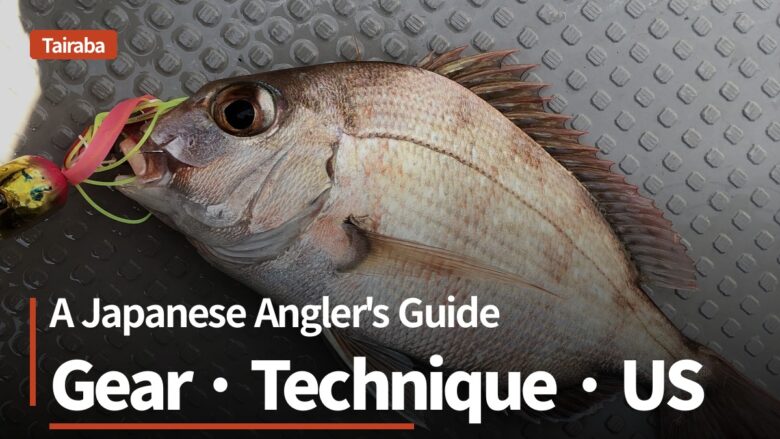
Tairaba (鯛ラバ / タイラバ) looks like it shouldn’t work: a weighted head, a tassel of rubber skirts, a couple of tiny hooks on cords. Yet this Japanese rig catches some of the best-eating fish in the ocean, and it asks almost nothing of you. There’s no jigging action, no fancy rod work. You drop it, you wind, and that’s most of the battle.
The technique was developed in Japan to target madai (real red sea bream), and over the last two decades it has quietly become one of the most productive bottom techniques in the country. Out here, fishing from a small private boat, it’s the method I reach for when the bream are holding tight to structure and won’t commit to a bait. This page is the hub for everything tairaba on the site, and it starts with the conclusion rather than the history lesson.
A note on links and pricing: where a reel or jig is sold on Amazon.com it’s linked there (with international shipping where applicable). JDM-only items are noted as such. Prices for JDM products are shown in JPY (tax excluded) with an approximate USD conversion at the time of writing (~$1 = ¥150, June 2026). US anglers should always check state and federal regulations for the species they target.
Tairaba is bottom fishing at its most stripped-down: you drop a skirted, weighted lure to the seafloor and wind it back up at a slow, even pace. There’s no hookset. When a fish starts tapping, you keep winding at the exact same speed and let it hook itself against the sliding head. Beginners outfish veterans on tairaba all the time, simply because they trust the wind and don’t overthink it.
The setup is just as simple: a soft-tipped tairaba rod, a small conventional (baitcasting) reel, thin PE braid with a fluorocarbon leader, and a handful of 60 to 100 g heads in orange, red, and gold. Drop, wind slow and steady, resist the urge to strike, and let the kabura do its thing. If a species hunts low over sand, mud, or reef, from snapper to sea bass to rockfish, tairaba can take it.
Everything below unpacks that answer: the retrieve that makes it work, the gear worth buying, how the method maps onto US waters, and where the rig came from. Where a topic deserves a full article of its own, like reels or rod choice, you’ll find a link to the dedicated guide.
So what does “wind slow and steady” actually mean in practice? The core of tairaba is the constant retrieve, a slow, dead-even wind that never speeds up or slows down. The skirts and trailers do the work, fluttering and pulsing with that steady motion. Your job is just to keep the rhythm.
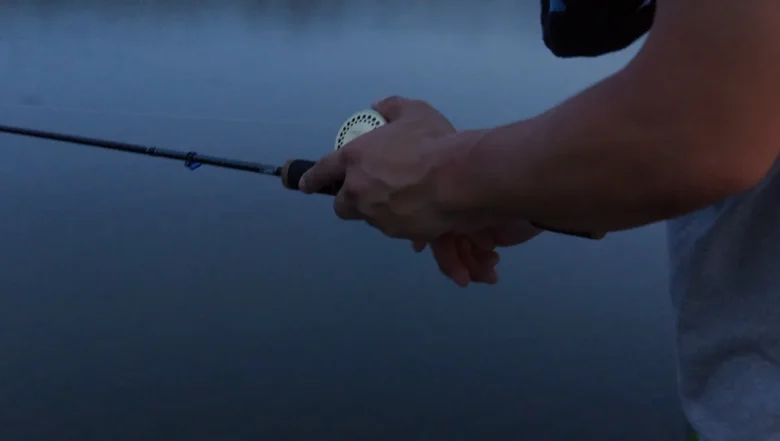
The sequence looks like this:
From years of doing this off a small boat, the single biggest lesson is trust. Trust the wind. The temptation to do something, to twitch or jig or strike at the first bump, is the thing that costs the most fish. When the bite is on, varying your retrieve speed a touch can trigger followers, but the default is always that metronome-steady crank. The day you stop fighting the urge to react, your hookup rate climbs.
Drift management matters too. Tairaba is fished on the drift, so the boat’s movement, wind, and current all decide how heavy a head you need to stay vertical. If your line is streaming away at a steep angle, you’re too light. Bump up the head weight until the rig tracks more or less straight down.
Tairaba runs on light, balanced tackle. You’re not winching fish off a wreck; you’re feeling for a soft tap and letting a slow drag do the work. Here’s the rundown of each piece, with links to the deeper guides where they exist.
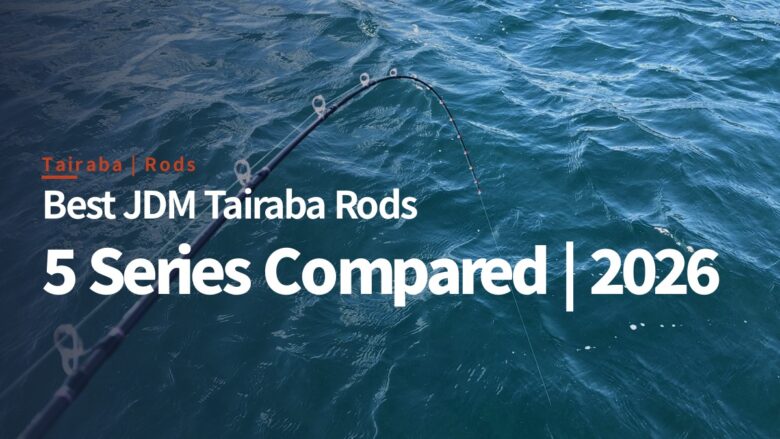
A tairaba rod is a specialist tool. It has a soft, parabolic tip that loads on the bite and a backbone that takes over once the fish turns, which keeps madai (with their notoriously soft mouths) pinned. Most run roughly 6’6″ to 7′ with a power rating around 45 to 80 grams of head weight. The give in the tip is the whole point: a fast, stiff jigging rod tends to pull hooks on these fish. If you’re choosing one, our companion guide walks through the JDM options in detail. See Best Tairaba Rods: JDM Picks for Offshore Bottom Fishing.
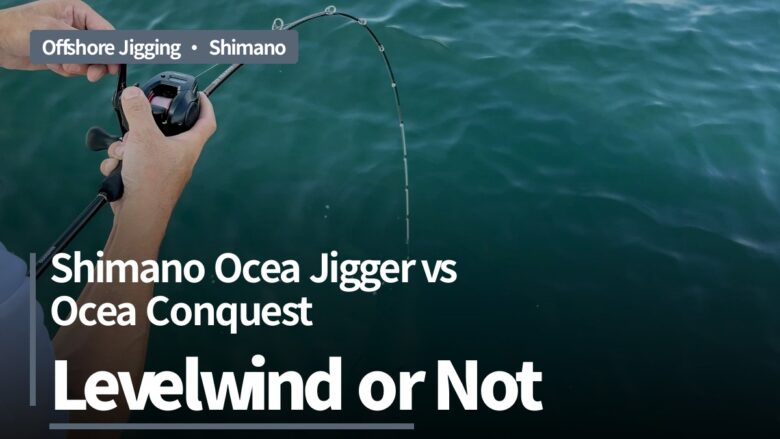
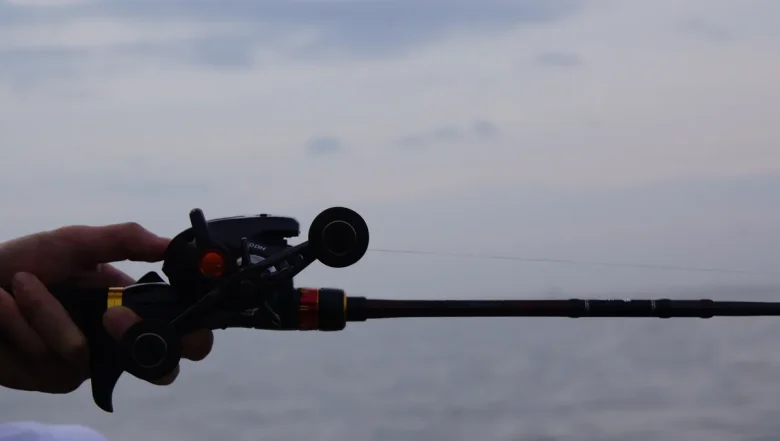
This is a baitcasting (conventional) technique. A small, low-profile or round bait reel sits the rod nicely and, crucially, lets you wind at a smooth, constant clip. Many tairaba anglers favor a reel with a line counter so you can mark exactly how high off the bottom the bites come and repeat it. The two flagships people import are the Shimano Ocea Conquest (the CT version adds a depth counter) and the Daiwa Kohga IC line. Both run buttery micro-module or hyper-drive gearing that makes a slow, even retrieve effortless, which matters more here than raw speed.
For reference, a Shimano Ocea Conquest CT 300HG turns a 6.2 ratio, weighs about 390 g, and offers 8.0 kg of max drag with a built-in counter (spec from Shimano’s official product page). A Daiwa Kohga 100 sits lighter at roughly 205 g with a 6.3 ratio and 5.5 kg drag (Daiwa official). You don’t need the flagship to start, but you do want smooth, consistent retrieve. For the full lineup and budget picks, see Best Tairaba Reels: JDM Models Explained and the head-to-head in Shimano vs Daiwa Tairaba Reels Comparison.
If you’d rather not crank by hand all day in deep water, electric reels are a legitimate option and surprisingly well suited to the constant-retrieve nature of tairaba. We dig into that in Electric Reel for Tairaba: Does It Work?
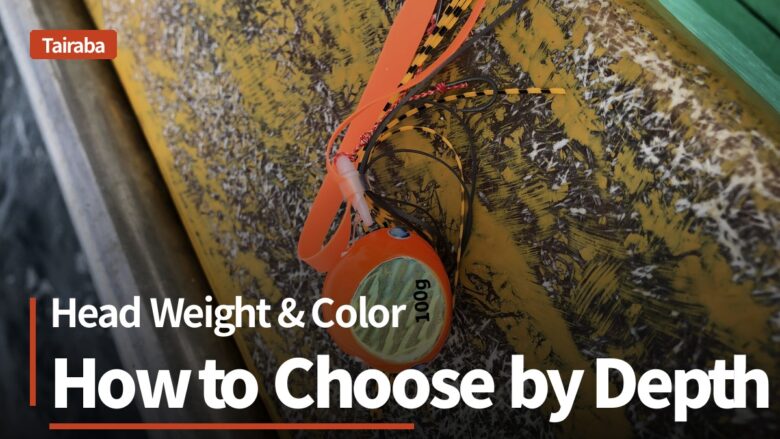
The business end. Head weight is dictated by depth and drift speed: the faster the boat moves and the deeper the water, the heavier you go to keep contact with the bottom. A rough starting set is 45 to 100 g, with tungsten heads getting you down faster in a smaller profile. Color matters more than newcomers expect. Orange and red are the classic confidence colors for madai, but on tough days a switch to gold, green, or a darker tone flips the bite. Carry a range and change until something works. We cover the weight-and-color decision in How to Choose the Right Tairaba Head Weight and Color, and rank the jigs themselves in Best Tairaba Heads & Skirts: JDM Kabura Jigs Ranked.
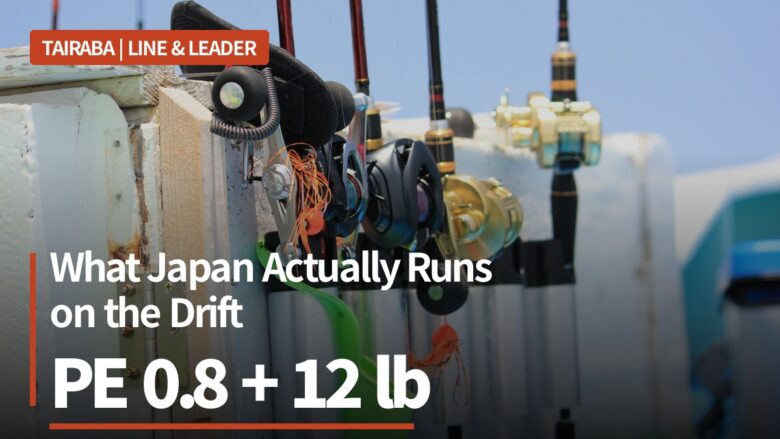
Braid is non-negotiable here. You’re reading subtle bites in deep water, and the no-stretch sensitivity of PE braid is what lets you feel them. A typical setup is PE 0.8 to 1.2 (roughly 16 to 25 lb) with a fluorocarbon leader of 14 to 20 lb, joined with an FG knot. The thin braid cuts the current so your light head stays near vertical, which keeps you in the strike zone longer. Going too heavy on line is one of the most common mistakes, because the extra drag bows your line and lifts the rig off the bottom.
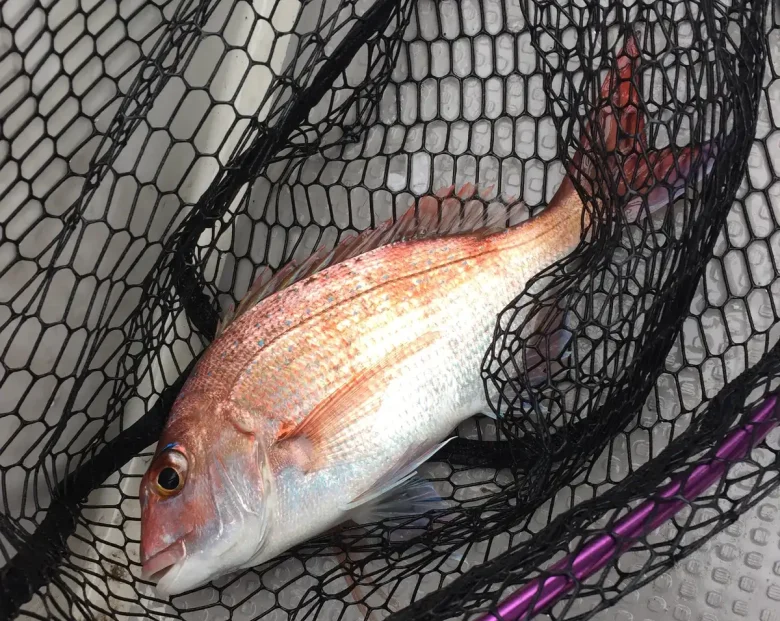
Here’s the good news for US anglers: you almost certainly already fish water that’s perfect for tairaba. The technique was built for fish that hold low over sand, mud, and broken bottom in moderate depths, and that describes huge swaths of American bottom fishing. Think snapper, sea bass, redfish over deeper structure, lingcod and rockfish on the West Coast, grouper, and porgy. If a species hugs the bottom and eats moving prey, tairaba can take it.
A practical starting kit looks like this: a 7′ tairaba or light bottom rod, a small counter baitcaster loaded with PE 1.0 braid and a 16 lb fluoro leader, and a handful of 60 to 100 g heads in orange, red, and gold. Find a drift over likely bottom in 60 to 200 feet, drop, and start that slow wind. Most people get the rhythm within a session. The hard part isn’t casting or jigging skill; it’s learning to keep winding through that first tap.
For a fuller look at adapting the method to American species and structure, see Tairaba for Snapper and Bottom Fish: Adapting Japanese Methods for US Waters. And before you head out, check your state and federal regulations: bottom species like snapper and grouper often carry seasons, size limits, and bag limits that vary by region. Check your local regulations.
(A note for readers in Australia: tairaba works beautifully on snapper and pearl perch over your inshore reefs and gravel beds too. The gear and technique are identical; just mind your state’s bag and size limits.)
The name is a contraction. Tai is the sea bream, and raba is the tail of kabura, an old Japanese bait-fishing rig that used a weighted head and trailing material. Commercial fishermen in western Japan ran sliding sinkers tied with cloth and feathers to fool madai long before anyone called it a sport. Modern tairaba is the lure-fishing descendant of that idea, refined in the 1990s and 2000s into the head-skirt-hook system you see today.
Mechanically, a tairaba rig has three parts. The head is a teardrop or rounded weight, usually tungsten or lead, that carries the rig to the bottom. The skirt and trailers (the kabura element) are silicone or rubber strands that pulse and breathe in the current. Tucked inside them are two small assist hooks on short cords. In the most common modern design, the head slides freely on the leader, so when a fish bites the head slides away and the fish feels almost no resistance against the hooks. That free-sliding action is a big reason tairaba hooks fish so cleanly.
In Japan the prime target is madai, but tairaba is far from a one-species trick. The same rig regularly takes amberjack, grouper, rockfish, flounder, gurnard, and various bottom-dwelling snapper-type fish. Anything that hunts low over sand, mud, or broken reef in 20 to 80 meters is fair game. That breadth is exactly why the technique travels well. Swap madai for a US species that lives in the same zone and the playbook barely changes.
Tairaba gets lumped in with jigging, but it fishes nothing like it. Slow pitch jigging is an active, rhythmic technique where you work a metal jig with rod strokes and let it flutter on the fall; the strike usually comes on the drop. Tairaba is the opposite philosophy: a steady wind, bites on the way up, and basically no rod input. They cover overlapping water and species, which is why anglers often carry both. If you’re weighing one against the other, we lay it out in Tairaba vs Slow Pitch Jigging: Which Is Right for You?
Compared to conventional bait fishing for snapper, tairaba is more mobile and more about covering water than soaking a bait. You’re constantly dropping, winding, and re-dropping, which keeps you in contact with active fish rather than waiting for them to find a chunk of bait. It also skips the messy bait handling, which is no small thing on a long day.
One of the quiet advantages of a tairaba outfit is how versatile it is. That soft-tipped rod and small counter reel aren’t locked to one job. A lot of anglers use the same setup for light jigging when the conditions suit it, and the question of whether a tairaba rod can pull double duty comes up constantly.
The short version: yes, with caveats around jig weight and action. A tairaba rod’s forgiving tip is lovely for light jigs but can feel mushy with heavier metal. We break down exactly where the crossover works in Can You Use a Tairaba Rod for Light Jigging? If you’re building a one-rod quiver for a boat trip, that’s worth a read before you buy.
Correct. When you feel the first taps, you keep winding at the same speed. The fish hooks itself against the sliding head as it commits. Striking is the fastest way to lose a tairaba fish.
Match it to depth and drift. As a rule of thumb, you want the lightest head that still keeps your line roughly vertical. In 100 to 150 feet with a moderate drift, 60 to 100 g is a sensible starting range. Go heavier if your line streams away at a sharp angle.
You can, but a baitcaster is the standard for good reason. A conventional reel drops straight down, winds with a smoother constant retrieve, and pairs with line counters that let you repeat productive depths. If you only own spinning gear, start there, then upgrade.
More than you’d think. Orange and red are the go-to madai colors, but the bite can flip to gold, green, or darker shades on any given day. Carry a spread and change heads or skirts until you find what the fish want.
Yes. The rig targets bottom-hugging predators in general, not madai specifically. Snapper, sea bass, rockfish, lingcod, grouper, and more all eat tairaba where they share that same low-over-the-bottom habitat.
Tairaba is one of those rare techniques that’s genuinely simple to learn and deep enough to keep refining for years. If you’ve been curious about the JDM bottom game, this is the easiest door in: the gear is light and crossover-friendly, the species list is long, and the method transfers to US and Australian bottom fishing with almost no changes. Pick a calm day, rig up, and go test the constant retrieve for yourself.
Ready to go deeper? Here’s the full tairaba cluster:
Reel specifications were taken from the Shimano (fish.shimano.com) and Daiwa (daiwa.com) official product pages. Affiliate links are provided for products available via Amazon.com; we may earn a commission at no extra cost to you. Always check your local fishing regulations for current seasons, size, and bag limits.