Best Hitotsu Tenya Rods: JDM Models Explained
ちゃんま
マイボ!

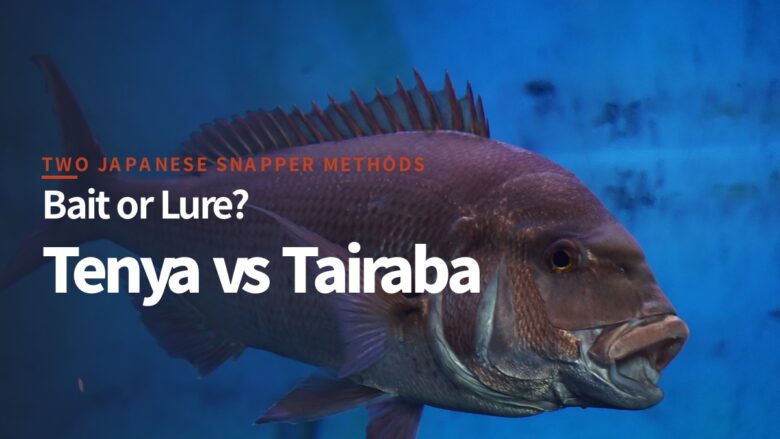
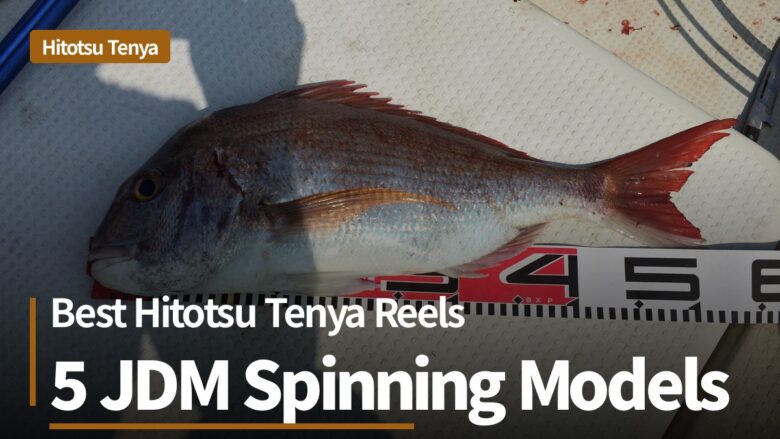
Same reef, same tide, two boats. On one, an angler pitches a bare lead head with a whole shrimp pinned to it and watches the line all the way down. On the other, nobody is watching anything: drop, wind, drop, wind. Both crews are after madai (真鯛, red sea bream), both rigs came out of Japan, and both go down on light tackle under a drifting hull. Hitotsu tenya (ひとつテンヤ) and tairaba (鯛ラバ / タイラバ) look like cousins from the dock. On the water, they fish nothing alike.
One is a bait method: a weighted jig head with a whole shrimp threaded on, fished with feel and a fast hookset. The other is a lure method: a rubber-skirted head that you drop to the bottom and simply wind back. Which one belongs in your hand depends less on taste than on the day in front of you, so this page is laid out by situation: the water under the hull, the way the bite arrives, the bait you can actually get hold of, and the single rod in the rack. For the full playbook on either method, our complete guide to tairaba fishing and our hitotsu tenya guide go deep on each.
I fish both methods from my own boat in Japan, and the honest answer to “which is better?” is neither. The right question is which one fits your water, your bait supply, and the kind of fishing you enjoy. Find the scene below that looks most like your next trip.
Strip away the terminal tackle and the two methods share a skeleton. Both drop a compact weight to the bottom under a drifting boat. Both run thin PE braid so you stay in contact with a light rig in real depth. Both use soft, forgiving rods, because madai have tough but tearable mouths and a violent head-shake. And both are famous for the same by-catch bonus: flounder, grouper, sea bass, and just about anything else that hunts near the bottom will eat a tenya or a tairaba.
That shared skeleton is exactly why newcomers mix them up, and why tackle shops in Japan shelve them side by side. But the overlap ends at the bottom of the drop. The real differences start the moment something bites, and they run all the way through the gear, the technique, and the kind of day each method gives you.
Fifteen to forty meters, current you can still hold bottom in with a light head, and a bag of shrimp that came out of the freezer that morning. That is tenya water. Nothing else works it as well.
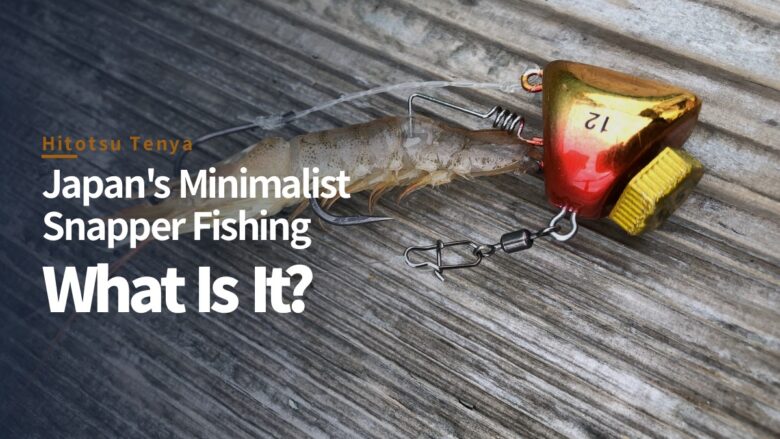
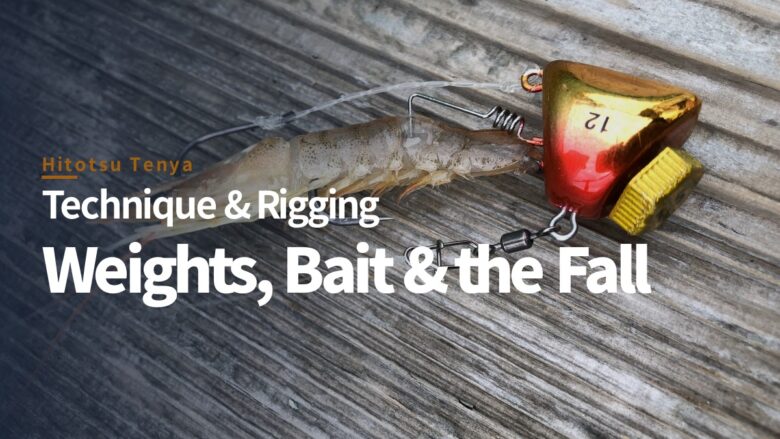
Tenya is Japanese minimalism. The rig is a single weighted head, usually 10 to 40 g, carrying one main hook and a small assist hook, with a whole fresh or frozen shrimp threaded on. No skirt. No built-in action. The head exists to deliver the shrimp to the bottom, and your line is the only thing between your fingers and the fish.
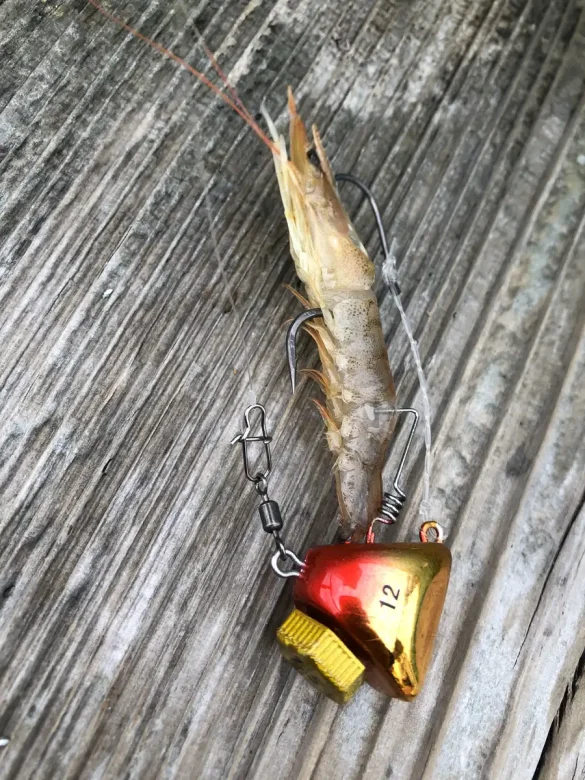
You cast or drop the rig, then control the fall, staying glued to the line the whole way down. Most of your bites come on the fall, telegraphed as a tick, a pause, or the line suddenly going slack. When you feel it, you strike, hard and immediately, because a madai can strip a shrimp in seconds. The tackle follows the job: a soft-tipped spinning rod around 8 feet, a small 2500 to 3000 size spinning reel, PE 0.6 to 0.8, and an 8 to 12 lb fluorocarbon leader. It’s a light-line, high-attention game, closer in spirit to finesse bass fishing than to typical offshore bottom fishing.
Tenya’s light heads are its magic and its ceiling. In 15 to 40 m of manageable current, a 15 g head falling naturally is deadly. Push deeper or into hard drift and you lose touch with the rig, and a tenya you can’t feel is just bait on a rock.
Move the same boat over 70 m with a breeze pushing it sideways and a 15 g head stops making sense long before it reaches the fish. Rubber takes over here.
Tairaba replaces the shrimp with rubber. The rig is a sliding head, typically 45 to 100 g and heavier when the water demands it, dressed with a silicone skirt and flat “necktie” strands that flutter as the rig moves. Small assist hooks ride on a cord inside the skirt. There’s no bait to buy and nothing to re-thread between drops.
The technique is almost meditative. Drop to the bottom, then wind at a constant, even speed, somewhere between half a turn and two turns per second, until the rig is 5 to 10 meters up. Drop and repeat. When a madai starts tapping, you do the hardest thing in fishing: nothing. You never set the hook in tairaba. You keep winding at the same speed while the taps build, the rod loads, and the fish hooks itself. The standard outfit is a short, soft baitcasting rod, a small baitcaster (often with a line counter so you can repeat productive depths), PE 0.8 to 1.2, and a leader around 16 lb.
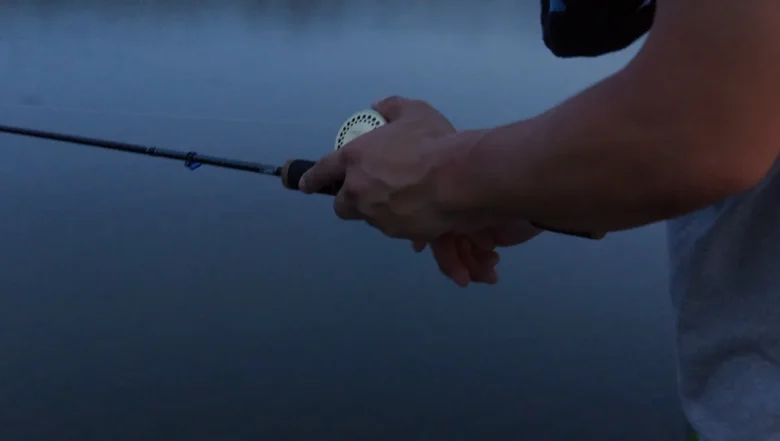
Tairaba scales: swap to a heavier head, stay vertical, and the method works the same in 80 m as it does in 25. Match the method to your water, not the other way around. Shallow and calm favors tenya; deep or fast favors tairaba.
Fish stacked on the sounder, a dozen drops with rubber, not one tap. Those days happen, and they are the clearest argument bait has. A tenya leads with scent and a natural profile, and real shrimp keeps drawing bites on days when fish ignore everything artificial. The price is logistics: you need a bait supply, you re-thread after every fish, and small pickers can rob you blind. A tairaba trades scent for vibration and silhouette. It’s always rigged, never spoils, and fishes the moment it hits the water. On a tough, pressured day the bait method usually out-fishes the lure; on a normal day the gap is smaller than you’d think.
Two fish dropped in a row usually means your hands are still fishing the other method. The reflexes are opposites. Tenya is a fall-bite game: you read a tick through the line and answer it with a sharp, deliberate hookset. Tairaba is a retrieve-bite game: taps build while you wind, and striking early is the number one way to lose a tairaba fish. Anglers coming from bass or fluke fishing often find tenya intuitive and tairaba maddening for the first trip, then tairaba’s discipline clicks and it becomes second nature. If you fish both in one day, expect your hands to betray you at least once.
Tairaba, and it isn’t close. If you can turn a handle at an even speed, you can fish tairaba on day one, and first-timers regularly catch madai on their first drop. The skill shows up later, in head weight and color choices, reading the drift, and the discipline to keep winding through the taps. That gentle entry is a big part of why tairaba exploded across Japan and why it’s the method we usually point beginners toward.
Tenya asks more of you from the start. You’re managing bait, judging the fall, and timing a hookset on a fish you can’t see. Miss the tick and the shrimp’s gone. But that difficulty is the appeal: tenya teaches bite detection better than any other boat method I know, and the feel you build transfers to every kind of fishing you do afterward. Anglers who love it tend to love it fiercely.
Tenya wants a long, sensitive spinning outfit that can pitch a light head away from the boat and feed line cleanly on the fall. Tairaba wants a short baitcasting outfit that drops straight down and winds like a metronome, ideally with a counter so a productive depth is repeatable. Both outfits are light and fun, and they’re tuned for different jobs.
One rod can cover both, and the crossover runs in one direction only. A tenya-style spinning outfit makes a respectable light tairaba rig in shallow water. “Casting tairaba” is an established technique in Japan: pitch a 45 to 60 g head away from the boat on spinning gear, let it swing down, and wind it back at tairaba speed. The soft tip that reads a tenya fall also cushions a tairaba bite well enough, so one light spinning setup can honestly cover both methods over shallow ground.
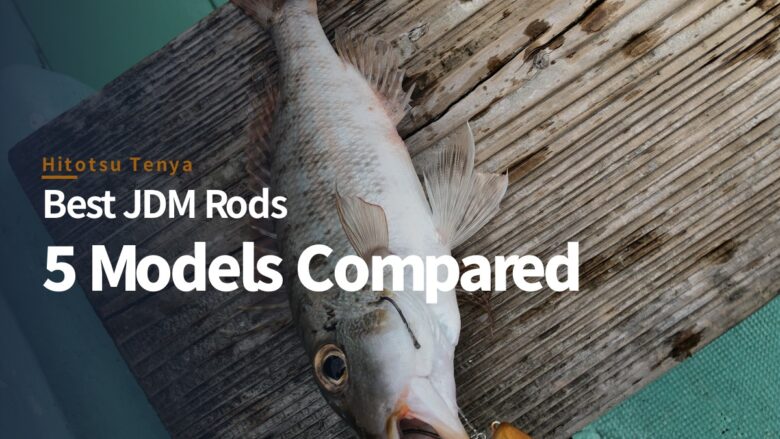
The reverse is a compromise too far. A baitcasting tairaba outfit makes a clumsy tenya rig: it can’t pitch a light head away from the boat, and a blank designed to fold quietly into a fish is the opposite of what a fast tenya hookset wants. If you’re buying one outfit to sample both methods, start on the spinning side. Our best hitotsu tenya rods roundup covers ideal candidates, and when you’re ready to commit to the winding game properly, the dedicated picks in best tairaba rods and best tairaba reels show what a purpose-built outfit adds.
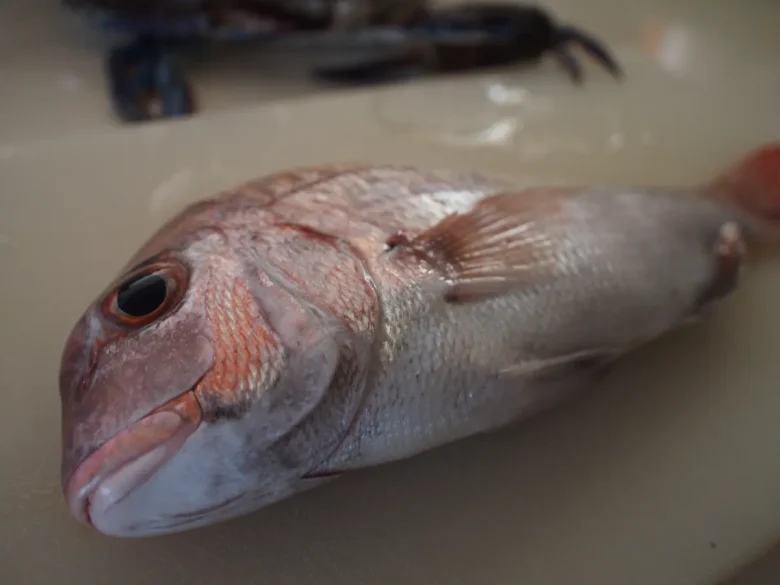
Neither method cares that your bottom fish aren’t madai. Snapper, black sea bass, scup, grouper, and other shrimp-eating bottom species respond to a baited tenya exactly the way madai do, and tairaba has already proven itself on American snapper grounds. Fishing regulations differ state by state, so check your local regulations and bag limits before you go.
Gear is the main hurdle, since both are JDM specialties you’ll rarely see in a US shop. Dedicated tenya heads and tairaba heads and skirts are easiest to source from Amazon Japan. Ships internationally from Amazon Japan — check availability and shipping cost at checkout. Shrimp for tenya is the easy part: any bait shop or even a grocery store will do, as long as the shrimp are whole and firm.
All of the above on one screen, for a screenshot on the phone before you book the trip.
| Factor | Hitotsu Tenya | Tairaba |
|---|---|---|
| What’s on the line | Real shrimp on a bare weighted head | Rubber skirt and necktie on a sliding head |
| Where bites come | Mostly on the fall | Mostly on the retrieve |
| Hookset | Yes: fast and positive | No: keep winding, same speed |
| Typical depth | Approx. 15 to 40 m (50 to 130 ft) | Approx. 20 to 80 m (65 to 260 ft) |
| Head weight | 10 to 40 g | 45 to 100 g and up |
| Tackle | ~8 ft soft-tip spinning outfit | 6.5 to 7 ft soft baitcasting outfit |
| Line | PE 0.6 to 0.8, 8 to 12 lb leader | PE 0.8 to 1.2, ~16 lb leader |
| Bait logistics | Needs fresh or frozen shrimp | None |
| Learning curve | Steeper, feel-driven | Gentle, beginner-friendly |
Back to those two boats on the same reef. Here is how I’d sort them.
None of what you learn on one is wasted on the other. Both methods are built on the same foundation of staying connected to a light rig near the bottom, and each one quietly makes you better at the other. Whichever you pick first, the second is waiting.
Technique details follow our complete tairaba and hitotsu tenya guides. Affiliate links point to Amazon Japan (international shipping); we may earn a commission at no extra cost to you. Check your local regulations before fishing.