Daiwa Saltiga vs Certate: Which One for Australian Shore Jigging?
ちゃんま
マイボ!

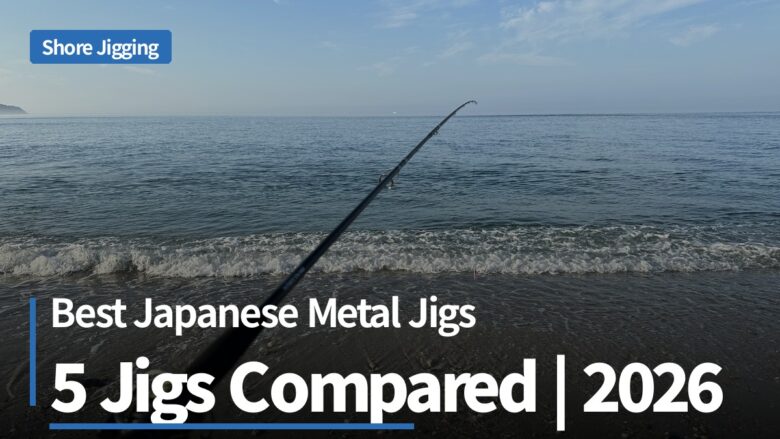
Ask five Australian shore anglers which metal jig to buy and you’ll get five answers, because the jig is what the fish actually sees, and it’s the cheapest part of the kit to get badly wrong. You are casting into a headwind off the rocks, trying to reach a school of busting salmon 60 metres out, then ripping the jig back fast enough to trigger a strike before the wash drags it into the reef. The reel and rod matter, but the metal on the end of your line decides whether any of that pays off.
So the honest question isn’t “which jig is best” but “which jig suits the fish and the conditions in front of you.” Brands like Shimano, Daiwa, Major Craft, Maria and Hayabusa have spent decades refining cast distance, fall action and finish durability for crowded Japanese shorelines, and that same tech works beautifully on Aussie salmon, tailor, bonito, Yellowtail Kingfish (Seriola lalandi) and longtail tuna. The trouble is the JDM (Japan Domestic Market) range is huge and confusingly named, and most English-language pages just list whatever a shop has in stock.
So here are five Japanese metal jigs that genuinely earn a spot in a shore jigging box, what each one does best, and which fish and conditions suit it. Pair them with the right spinning reel and a proper shore jigging rod and you have a setup that punches well above its price.
A note on links and pricing: where a jig is sold globally the buy links point to Amazon.com (available with international shipping to Australia); JDM-only models link to Amazon Japan, which ships internationally (check availability and shipping cost at checkout). Jig prices move around a lot between retailers, so the figures here are approximate street prices in JPY (tax excluded) with an approximate AUD conversion at the time of writing (~A$1 = ¥100, June 2026). Always check live pricing, and check your local state regulations on size and bag limits before you head out.
Before the brand names, what actually separates a jig that loads up your cast and hooks fish from one that helicopters in the wind and pulls free? Five things matter most from the stones.
The Major Craft Jigpara is the jig that got a whole generation of anglers into shore jigging, in Japan and now Australia. It is cheap, it comes ready to fish, and its big trick is that it produces a strong slide and flash on a plain steady wind, so you do not need a fancy jerk cadence to catch fish on it.
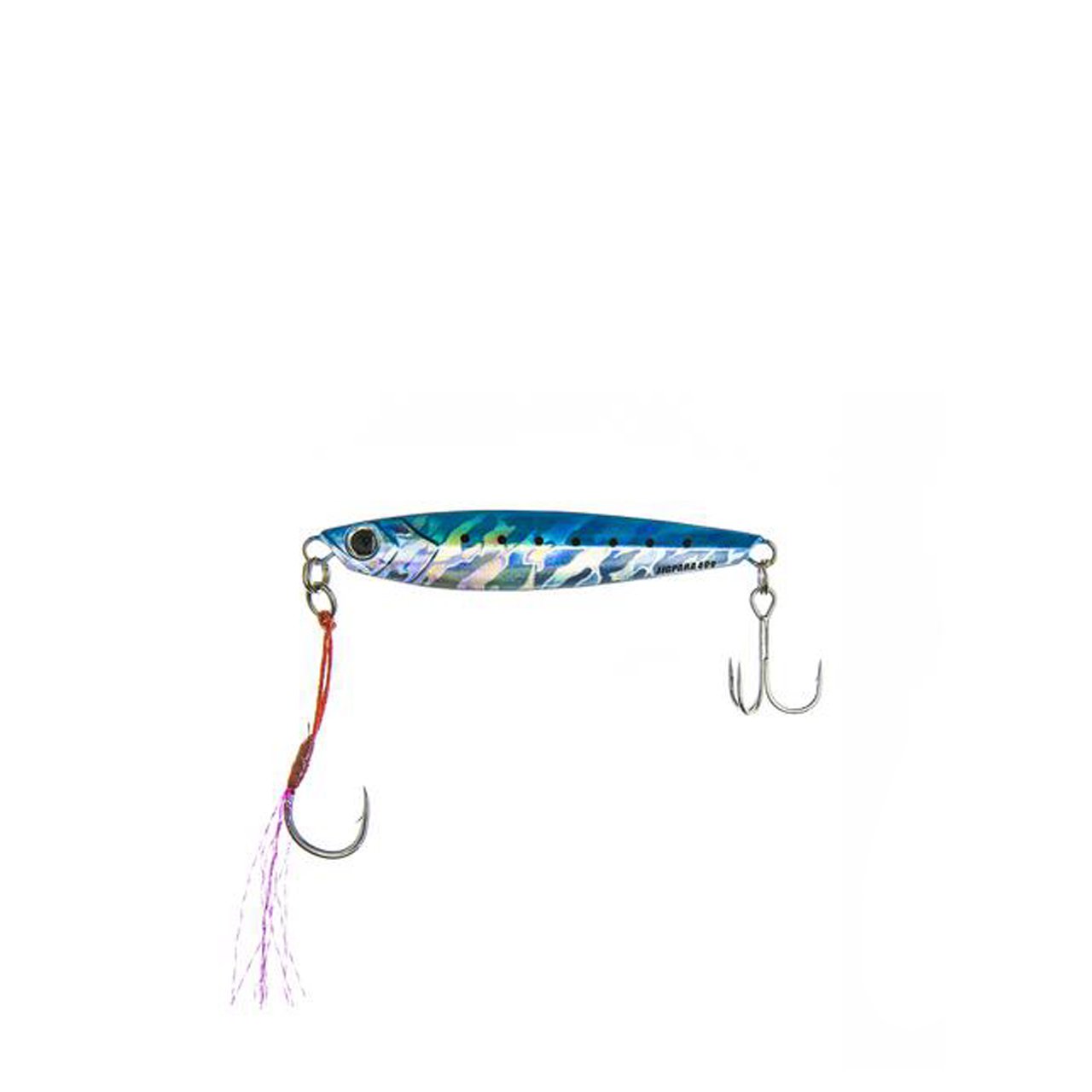
A tapered, centre-balanced body keeps water resistance low on the cast and the retrieve, and most sizes come pre-rigged with a single assist hook (with tinsel) up front and a treble at the rear, so it fishes straight out of the packet.
| Feature | Detail |
|---|---|
| Type | Casting metal jig |
| Material | Lead / zinc alloy |
| Balance | Centre balance, tapered body |
| Action | Wide slide and flash on a steady wind |
| Hooks | Single assist (front, with tinsel) + treble (rear) |
| Best for | Beginners, all-round shore jigging |
The Jigpara Standard spans 20 to 100 g. For most Australian shore work the 30 and 40 g sizes are the sweet spot for salmon and tailor, with heavier sizes for kings and windy days.
| Size | Length | Hooks |
|---|---|---|
| 20 g | 62 mm | Assist + treble |
| 30 g | 70 mm | Assist + treble |
| 40 g | 80 mm | Assist + treble |
| 60 g | n/a | Assist + treble |
This is the jig to buy if you are new to shore jigging or you just want a reliable, no-fuss option you can fish on autopilot while you read the water. It is forgiving, it is cheap enough to lose to the rocks without crying, and it catches everything from tailor to small kings. A box of Jigpara in a couple of sardine colours is a brilliant starting point.
If you walked into any Australian tackle shop and asked for a shore jig, there is a good chance you would be handed a Shimano Coltsniper (sold as Current Sniper in some markets). It is a slim, long-casting jig built for exactly the rock-and-beach work most of us do, and the lineup spans almost every weight you could want.

The Coltsniper’s calling card is a slim profile that drains air and water for distance, paired with Shimano’s Through-Wire Construction, which runs a single wire through the body to the hook hangers so a big fish cannot tear the hardware out.
| Feature | Detail |
|---|---|
| Type | Slim casting / vertical metal jig |
| Material | Zinc / lead alloy |
| Balance | Centre-rear, drains well for long casts |
| Construction | Through-Wire (line tie to hook hangers) |
| Hooks | Zinc-coated treble (rigging varies by model) |
| Best for | Reaching busting schools, fast retrieves |
It comes in a wide span of weights, so you can match the same jig to salmon one week and kings the next. The 28 to 60 g sizes are the everyday shore weights; step up to 80 to 120 g only when wind, depth or big pelagics demand it.
| Size | Hooks | Typical target |
|---|---|---|
| 28 g | Treble | Salmon, tailor, bonito |
| 42 g | Treble | Salmon, tailor, small kings |
| 60 g | Treble | Kingfish, bonito, tuna |
| 80 g | Treble | Kingfish, longtail tuna |
| 100 g | Treble | Deep ledges, big pelagics |
If you want one jig family to learn on and you fish a mix of beaches and rock ledges, start here. The Coltsniper casts a mile, the through-wire build survives kingfish, and it is sold almost everywhere in Australia, so replacing the inevitable rock-eaten jig is easy. It is the safe, sensible first choice.
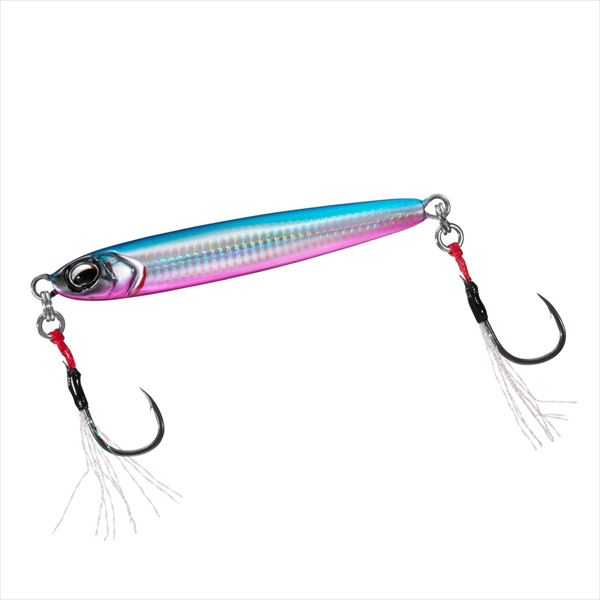
When the southerly is up and the fish are out past everyone else’s casts, the Daiwa Samurai Jig R earns its keep. Daiwa redesigned the head and slimmed the centre specifically to hold a stable, long trajectory in headwinds and crosswinds, which is the exact problem most rock anglers curse about.
Ships internationally from Amazon Japan: check availability and shipping cost at checkout. Orders over A$59 may qualify for free international delivery.
The narrow head accentuates a lateral flashing action on the retrieve, while the thinned centre section is what buys the extra cast distance. It comes rigged with a front single (Iseama) and a rear treble.
| Feature | Detail |
|---|---|
| Type | Casting metal jig |
| Material | Lead / zinc alloy |
| Balance | Centre of gravity forward, narrow head |
| Action | Stable long cast, lateral flash on retrieve |
| Hooks | Front Iseama #11 + rear treble #8 |
| Best for | Windy headlands, maximum distance |
The Samurai Jig R runs 20 to 60 g, with a slim, distance-first profile. There is also a Slow Fall version of the Samurai Jig R if you want a longer, fluttering drop for fish that want it dead-slow.
| Size | Length | Hooks |
|---|---|---|
| 20 g | 75 mm | Iseama + treble |
| 30 g | n/a | Iseama + treble |
| 40 g | n/a | Iseama + treble |
| 60 g | n/a | Iseama + treble |
Pick the Samurai Jig R if your local spots are exposed and windy, or if you are forever just short of the fish. The distance-biased design gets you out to schools that other jigs cannot reach, and the lateral flash still draws strikes on the wind back. It is a specialist that quietly becomes your most-used jig on rough days.
Maria’s Mucho Lucir has a cult following among anglers chasing fast surface-feeding pelagics. It is a centre-balanced, bottom-weighted jig that can be burned back fast without skipping out of the water, which is exactly what you need when bonito and salmon are smashing bait on top.
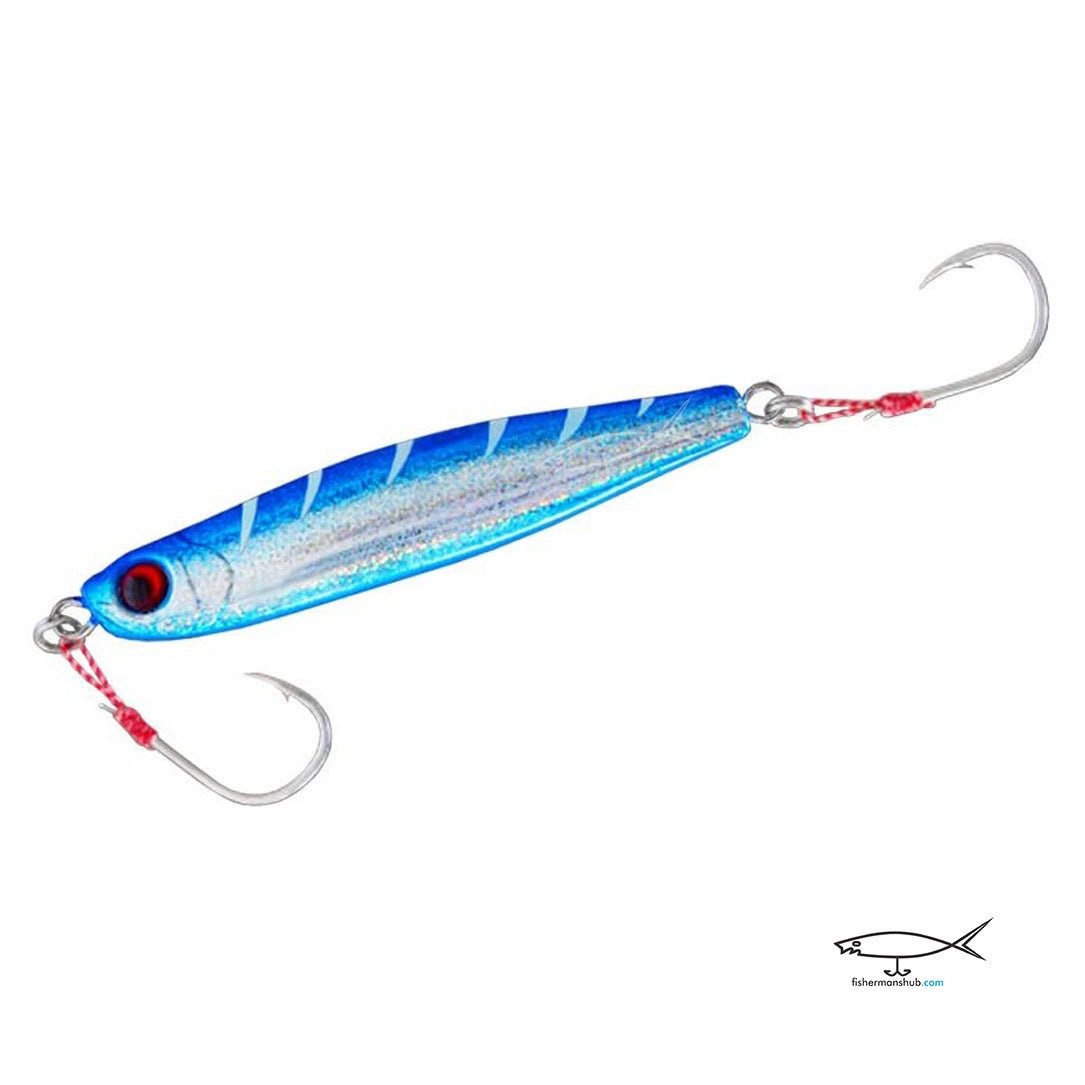
It combines a swimming action with hard flashing, comes fitted with quality Owner hooks (front assist plus rear treble) for a high hook-up rate, and the latest version added a tougher hologram finish.
| Feature | Detail |
|---|---|
| Type | Casting metal jig |
| Material | Lead |
| Balance | Centre balanced, bottom weighted |
| Action | Swim and flash, no skipping on fast retrieves |
| Hooks | Owner front assist + rear treble |
| Best for | Salmon, tailor, bonito off beach and rocks |
The Mucho Lucir keeps to a compact 35 to 60 g range that is tailor-made for lighter shore tackle and surface-busting fish, rather than deep heavy work.
| Size | Length | Hooks |
|---|---|---|
| 35 g | 62 mm | Assist + treble |
| 45 g | 68 mm | Assist + treble |
| 60 g | 79 mm | Assist + treble |
Reach for the Mucho Lucir when fish are feeding fast and high in the water and you want to keep a jig in the strike zone at speed. It shines on bonito, salmon and tailor blitzes, and the Owner hooks mean fewer dropped fish on the smash-and-grab takes those species are famous for. It is more of a specialist than the Coltsniper or Jigpara, but a deadly one when the surface erupts.
When you need to get deep fast, or punch a small profile through serious wind, tungsten is the answer, and the Hayabusa Jack Eye TG is one of the best. Because tungsten is far denser than lead, each jig is a much smaller silhouette for its weight, so it sinks quickly and matches tiny baitfish that lead jigs are simply too bulky to imitate.
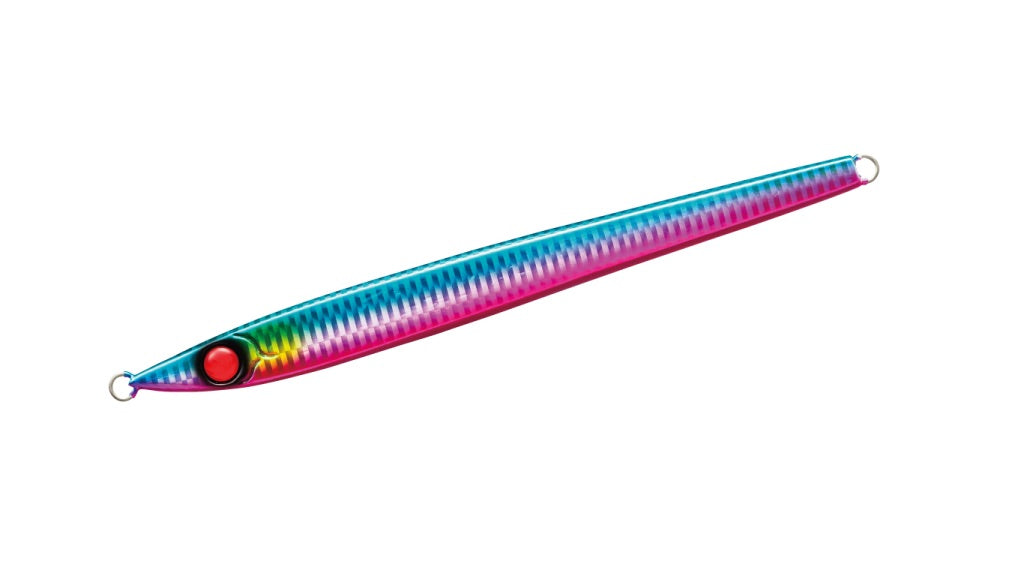
The headline feature is the high-density tungsten body, giving a fast, tight fall and a compact baitfish profile. The trade-off is price: tungsten jigs cost several times what an equivalent lead jig does, so they are a considered purchase rather than a throwaway.
| Feature | Detail |
|---|---|
| Type | Tungsten casting / jigging metal jig |
| Material | High-density tungsten |
| Balance | Compact silhouette, fast sink |
| Action | Fast, tight fall; cuts wind and current |
| Hooks | Assist + treble |
| Best for | Deep water, fast current, small-baitfish match |
Note how short the Jack Eye TG is for its weight: a 100 g jig measures only around 67 mm. That tiny, heavy profile is the whole point when fish are deep, the current is ripping, or they are locked onto small bait.
| Size | Length | Hooks |
|---|---|---|
| 80 g (#2) | 62 mm | Assist + treble |
| 100 g (#1) | 67 mm | Assist + treble |
| 120 g | 71 mm | Assist + treble |
| 150 g | 76 mm | Assist + treble |
The Jack Eye TG is for the angler who has hit the limits of lead: deep rock ledges, ripping current, screaming wind, or kings and tuna feeding on tiny anchovies. It is not the jig you tie on to learn, and you will not want to feed it to the reef, but when conditions are brutal it does things a lead jig cannot. Buy a couple in the weights your spots actually need.
One habit worth borrowing from the Japanese shore scene is starting simple and changing only one thing at a time. A common approach is to begin with a 40 g jig in a sardine pattern, read the wind and current for the first dozen casts, and only then adjust weight or colour rather than rifling through the whole box at once. Many anglers also find that the most reliable retrieve is not a frantic one: a steady wind with the occasional sharp lift, letting the jig flutter on the drop, draws more strikes than constant violent jerking. The takes very often come on that fall, so staying in contact with the jig as it sinks matters more than retrieve speed.
Here is the whole field at a glance for quick reference.
| Jig | Material | Balance / strength | Weight range | Approx. price |
|---|---|---|---|---|
| Shimano Coltsniper Jig | Zinc / lead | Long cast, through-wire durability | 21–120 g | ¥900–1,700 (~A$9–17) |
| Major Craft Jigpara | Lead / zinc | Easy action, beginner-friendly | 20–100 g | ¥800–1,400 (~A$8–14) |
| Daiwa Samurai Jig R | Lead / zinc | Wind-cheating distance | 20–60 g | ¥900–1,500 (~A$9–15) |
| Maria Mucho Lucir | Lead | Fast retrieve, no skipping | 35–60 g | ¥1,000–1,600 (~A$10–16) |
| Hayabusa Jack Eye TG | Tungsten | Compact, fast sink, deep/wind | 80–150 g | ¥2,000–4,000 (~A$20–40) |
If you just want a straight answer instead of a spec sheet, these are the three jigs that give you the most fishing for your dollar.
🥇 No.1: Major Craft Jigpara
The most fishing for the least money. It is cheap, it comes pre-rigged with assist and treble, and it produces a fish-catching slide on a plain steady wind, so beginners catch on it straight away. Lose one to the rocks and you have barely dented your wallet. Approx. ¥800–1,400 (~A$8–14).
🥈 No.2: Shimano Coltsniper Jig
The best all-rounder. It casts a long way, the through-wire build shrugs off kingfish, and the weight range covers salmon to tuna in one family. It is also stocked almost everywhere in Australia, so replacements are easy. Approx. ¥900–1,700 (~A$9–17).
🥉 No.3: Daiwa Samurai Jig R
The pick for windy days. Its distance-first design holds a stable line into a headwind and reaches schools other jigs cannot, while the lateral flash still draws strikes on the way back. Cheap insurance for exposed rock spots. Approx. ¥900–1,500 (~A$9–15).
Still weighing it up? The honest answer is that you want two or three of these, not one, because shore jigging conditions change by the hour. Here is where we would spend by situation:
For salmon, tailor and bonito on PE1.5 to 3 tackle, 30 to 60 g covers most situations. For Yellowtail Kingfish or longtail tuna from deep rock ledges, step up to 60 to 100 g or more. Match the jig weight to your rod’s cast rating and the wind, not just the fish.
Sometimes. A tungsten jig like the Hayabusa Jack Eye TG is much smaller than a lead jig of the same weight, so it sinks faster and cuts wind and current, which is a real advantage in deep water or when fish want a tiny profile. For everyday beach and rock work, a lead jig is cheaper and its wider, slower flutter often works just as well.
Most do. The Jigpara, Samurai Jig R and Mucho Lucir come pre-rigged with a front assist hook and a rear treble. The Coltsniper’s rigging varies by model, so check the listing. Whatever you buy, carry spare assists and trebles, because rocks and tailor teeth wreck hooks quickly.
For more on building a complete setup, see our guides to the best JDM spinning reels for shore jigging and the matching JDM shore jigging rods, or browse all of our Australia shore fishing guides.
All specifications were taken from the manufacturers’ official product information (Shimano, Daiwa, Major Craft, Maria/Yamaria and Hayabusa). Jig prices are approximate street prices, tax excluded, with an approximate AUD conversion at the time of writing, because metal jigs are not sold at a fixed RRP. Product images are from the makers’ official and distributor pages and are representative of each series. Affiliate links may earn us a commission at no extra cost to you. Always check your local state fishing regulations for current size and bag limits.