Tai Rubber for Australian Snapper: Setup & Tactics
ちゃんま
マイボ!

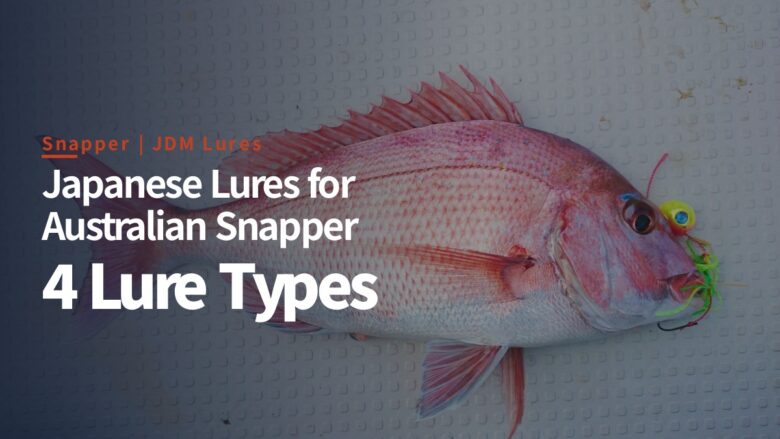
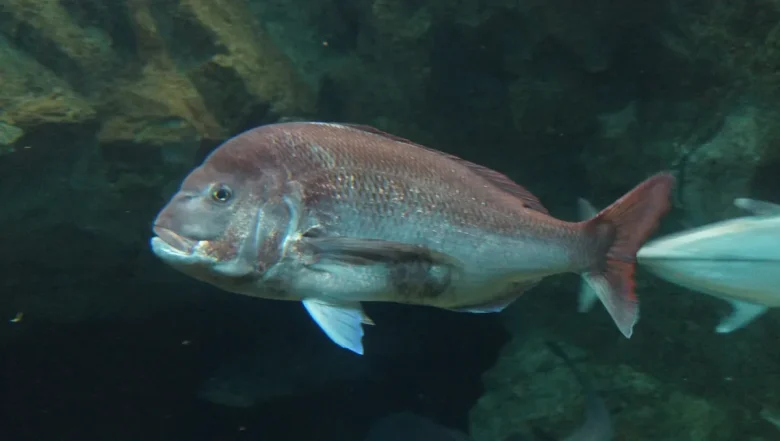
Australian snapper get caught on soft plastics, and there’s nothing wrong with that. What Australian tackle walls don’t carry is the rest of what Japan built for the same fish. Madai, the red sea bream (Pagrus major), has had a lure industry pointed at it for decades. The Australasian snapper (Chrysophrys auratus, still catalogued as Pagrus auratus in plenty of places) is close enough family that most of that gear transfers without anyone redesigning anything.
This is a comparison across categories rather than a list of forty lures. Four Japanese approaches, one lead product in each, and the conditions where each one beats the other three: a kabura head, a paddle-tail plastic with the jig head it was drawn for, a shrimp-shaped blade, and a tungsten micro jig with madai hooks on it.
Tai rubber gets one section and then hands off. The gear side of it is its own article, and we’ve already written two: Tai Rubber for Snapper in Australia covers how the retrieve works and where it fits the Australian season, and Snapper Tai Rubber Setup for Australian Waters covers rods, counter reels and head weights.
Prices are maker list prices in JPY with approximate AUD conversion at A$1 = ¥110 (August 2026). Daiwa lists tax-excluded prices; Jackall lists tax-included; both are marked in the tables. JDM buy links point to Amazon Japan, which ships internationally (check availability and shipping cost at checkout; orders over A$59 may qualify for free international delivery). Where a lure is also stocked in the US, the Amazon.com link is available with international shipping to Australia. Snapper size and bag limits differ by state and have changed more than once in recent years, so check your local regulations before you go.
Four things are worth checking on the packet before you commit, and none of them are the picture on the front.
Depth and drift do most of the choosing. Our metal jig weight and colour guide works through that logic in more detail for jigs, and the same arithmetic applies to kabura heads.
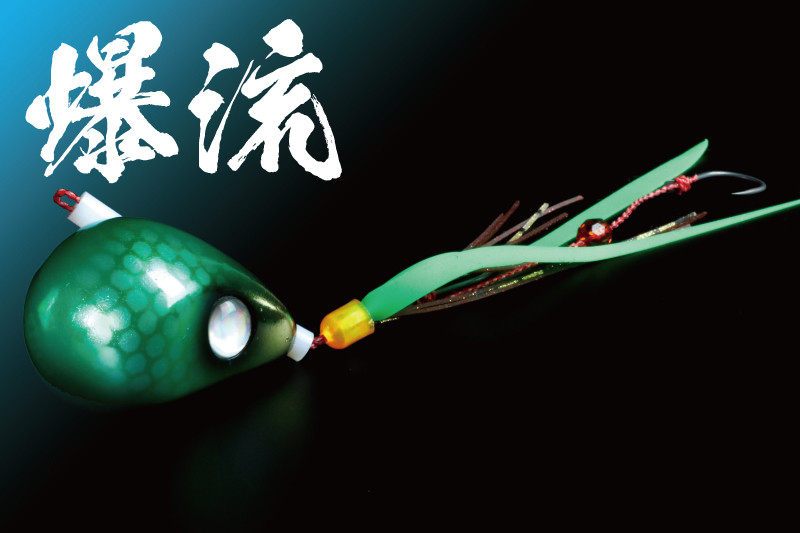
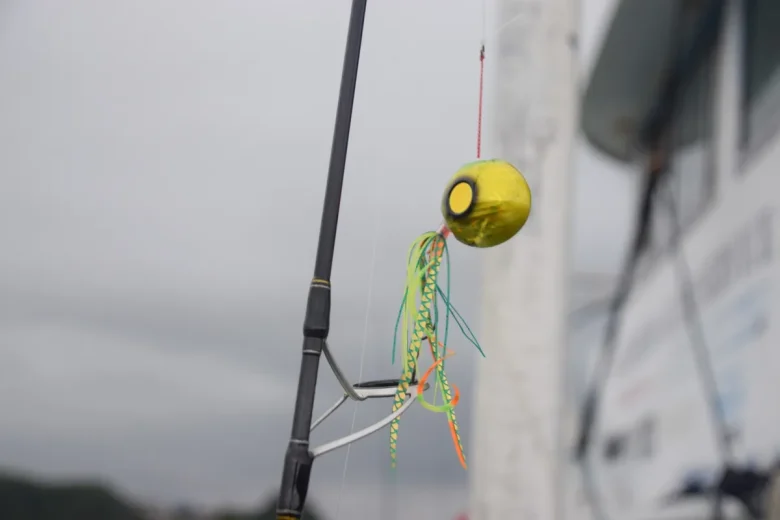
A kabura, or tai rubber (鯛ラバ), is a lead head that slides free on the leader above a silicone skirt and a thin rubber necktie. You drop it, you wind it back at one constant speed, and you don’t strike. Jackall’s Bakuryu Namarishiki BinBinDama Slide is the version aimed at fast water: the head is streamlined rather than round, and Jackall’s stated reason for that shape is that it settles the moving parts down enough to build the range past 200 g, which they say is hard to do with a round ball. Same claim covers dotera drifting, where the boat runs side-on to the wind and the line angle gets ugly.
| Feature | Detail |
|---|---|
| Head | Bakuryu (爆流, “raging current”) streamlined lead head, slalom track |
| Necktie and skirt | T+ rubber, blended with shrimp powder and shrimp oil for taste and scent |
| Sliding system | PTFE fluoropolymer tube fitted as standard |
| Skirt control | Backfire cap aligns the skirt in one direction |
| Range | 8 weights, 16 colours |
| Model | Weight | Price (JPY, tax incl.) | Approx. AUD |
|---|---|---|---|
| Bakuryu Namarishiki BinBinDama Slide 45 g | 45 g | ¥1,078 | ~A$10 |
| Bakuryu Namarishiki BinBinDama Slide 60 g | 60 g | ¥1,100 | ~A$10 |
| Bakuryu Namarishiki BinBinDama Slide 80 g | 80 g | ¥1,155 | ~A$10.50 |
| Bakuryu Namarishiki BinBinDama Slide 100 g | 100 g | ¥1,188 | ~A$11 |
| Bakuryu Namarishiki BinBinDama Slide 130 g | 130 g | ¥1,265 | ~A$11.50 |
| Bakuryu Namarishiki BinBinDama Slide 160 g | 160 g | ¥1,430 | ~A$13 |
| Bakuryu Namarishiki BinBinDama Slide 200 g | 200 g | ¥1,650 | ~A$15 |
| Bakuryu Namarishiki BinBinDama Slide 250 g | 250 g | ¥1,870 | ~A$17 |
At A$10 for a complete rigged lure this is the cheapest way into the method by a distance. The neckties and skirts are consumables, and a session with pinkies or leatherjackets will shred a set. Buy spares with the head, or accept that one busy day of pickers ends the lure.
Three sizes: 4 inch at 100 mm, 5 inch at 115 mm, 6 inch at 150 mm. Pack counts drop as the plastic gets bigger, from seven down to five, which is the kind of detail that only matters once you’ve lost four in a session on reef.

Ecogear’s own account of why it works comes down to two things: an inverted-triangle tail and a deliberately firm body material, which together produce what they call body sound, a wobble strong enough to be felt rather than just seen. The rig range they publish is wide, from a bare no-sinker rig up to a heavy jig head, and on the no-sinker rig it’ll swim right on the surface for sight fishing. The firmness isn’t a compromise, it’s the mechanism: a soft tail flutters on its own, a stiff one shakes the whole body with it.
| Model | Length | Per pack |
|---|---|---|
| Ecogear Power Shad 4″ | 100 mm | 7 pcs |
| Ecogear Power Shad 5″ | 115 mm | 6 pcs |
| Ecogear Power Shad 6″ | 150 mm | 5 pcs |
The head matters as much as the tail here. Ecogear’s 3D Jig Head carries line eyes on both the top and the bottom of the head, so you can flip the whole rig over and fish it inverted, and there’s a dedicated point to hang an assist hook off. The body shape is drawn to stay out of the worm’s outline rather than bulk it up. Unpainted heads come in four weights with hooks sized to match; the painted version runs heavier, and there’s a combo pack that arrives with Power Shads already in it.
| Model | Weight | Hook size | Per pack |
|---|---|---|---|
| Ecogear 3D Jig Head 1/4 oz | 7 g | #1/0 | 2 pcs |
| Ecogear 3D Jig Head 3/8 oz | 11 g | #2/0 | 2 pcs |
| Ecogear 3D Jig Head 1/2 oz | 14 g | #2/0 | 2 pcs |
| Ecogear 3D Jig Head 3/4 oz | 21 g | #3/0 | 2 pcs |
| Ecogear 3D Jig Head Painted | 14 / 20 / 30 / 40 g | see official chart | 2 pcs |
21 g is the heaviest unpainted head in the range, and that’s light for snapper in real current. The painted 40 g covers more of it. Beyond that you’re into the kabura or the jig, which is more or less the point of having four categories. If you fish plastics for mulloway as well, the same tails and a longer profile do that job too, and we’ve broken that down separately in our guide to JDM lures and soft plastics for mulloway.
Australian anglers already know the ZX. It sits on plenty of bream and flathead shelves down the east coast, usually without anyone mentioning it came out of a Japanese light game program. The blade is shaped like a prawn, it sinks, and the hook arrangement is the interesting bit: Ecogear built it off an assist hook design, with two hooks set at deliberately different lengths so the lure comes through structure without grabbing it and still connects on a fish that only half commits.

| Model | Length | Weight | Type |
|---|---|---|---|
| Ecogear ZX 30 | 30 mm | 3.5 g | Sinking |
| Ecogear ZX 35 | 35 mm | 5.0 g | Sinking |
| Ecogear ZX 40 | 40 mm | 6.4 g | Sinking |
| Ecogear ZX 43 | 43 mm | 8.8 g | Sinking |
The VX is the same idea in a plain alloy blade, and it does one thing the ZX doesn’t. There are two split ring positions on the back. Clip on at the front and the lure vibrates hardest on a flat retrieve, which is the setting for casting and covering ground. Clip on at the rear and it comes alive on the vertical, which is what Ecogear recommends for working deeper fish. The 45 mm at 8 g exists specifically so the blade holds its line in current instead of getting dragged around by it.
| Model | Length | Weight | Type |
|---|---|---|---|
| Ecogear VX 35 | 35 mm | 3.5 g | Sinking |
| Ecogear VX 40 | 40 mm | 5.0 g | Sinking |
| Ecogear VX 45 | 45 mm | 8.0 g | Sinking |
Be honest about the ceiling. 8.8 g is the heaviest thing in either range, and in 40 m with two knots of drift neither blade will reach the bottom, let alone stay there. These earn their place on shallow bay snapper, on estuary and harbour fish sitting over sand and weed, and on days when snapper have shifted onto prawns and everything bigger gets ignored.
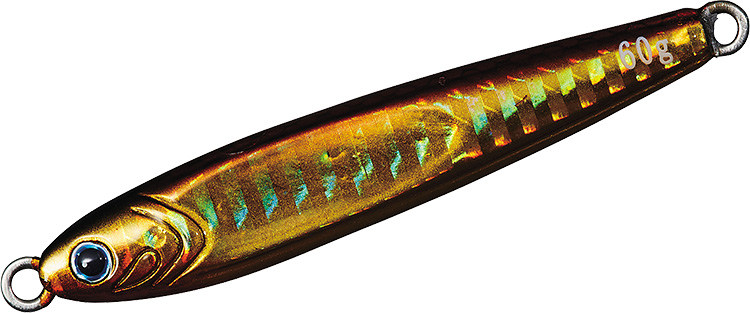
Daiwa built the TG Bait range in tungsten, which is denser than lead, so each weight arrives in a shorter body than a lead jig of the same grams. The SLJ version is the super light jigging tune of it. Look at what Daiwa hangs off it and the target becomes obvious: the standard hooks are madai kuwase (真鯛喰わせ, “madai feeding”) patterns, sized #9 through #13 as the jig gets heavier, twin with tinsel at the front and a short single at the rear.
| Feature | Detail |
|---|---|
| Material | Tungsten, SLJ short jig profile |
| Body | Left-right asymmetric body and hologram |
| Front hook | Twin, with tinsel |
| Rear hook | Single, short assist line |
| Hook coating | Sa-Qsas fluorine plating; Daiwa’s own comparison claims up to 40% better penetration (around 20% on average) against their painted hooks |
| Model | Length | Weight | Standard hook | Price (JPY, tax excl.) | Approx. AUD |
|---|---|---|---|---|---|
| TG Bait SLJ 30 g | 55 mm | 30 g | Madai kuwase #9 | ¥2,250 | ~A$20.50 |
| TG Bait SLJ 45 g | 64 mm | 45 g | Madai kuwase #10 | ¥2,650 | ~A$24 |
| TG Bait SLJ 60 g | 68 mm | 60 g | Madai kuwase #11 | ¥3,150 | ~A$29 |
| TG Bait SLJ 80 g | 78 mm | 80 g | Madai kuwase #13 | ¥4,050 | ~A$37 |
Sixty-eight millimetres at 60 g is a very small, very heavy object, and that combination is the whole argument for tungsten: it gets down through a working drift without needing a longer silhouette that snapper may not want. The short body keeps the rear single sitting right at the tail, which is where a fish that misses the front of the jig will usually find something.
A$37 for one 80 g jig is a lot to feed to a reef, and you will feed some to the reef. Anyone fishing rough country regularly should carry lead in the same weights for the first few drops and save the tungsten for when the drift is fast or the fish are fussy.
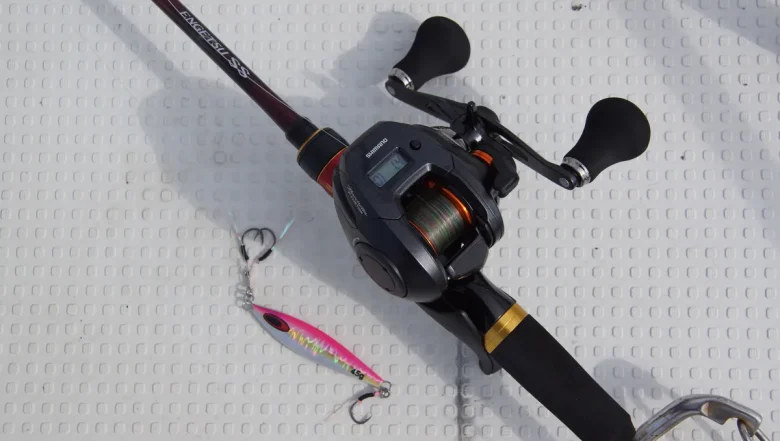
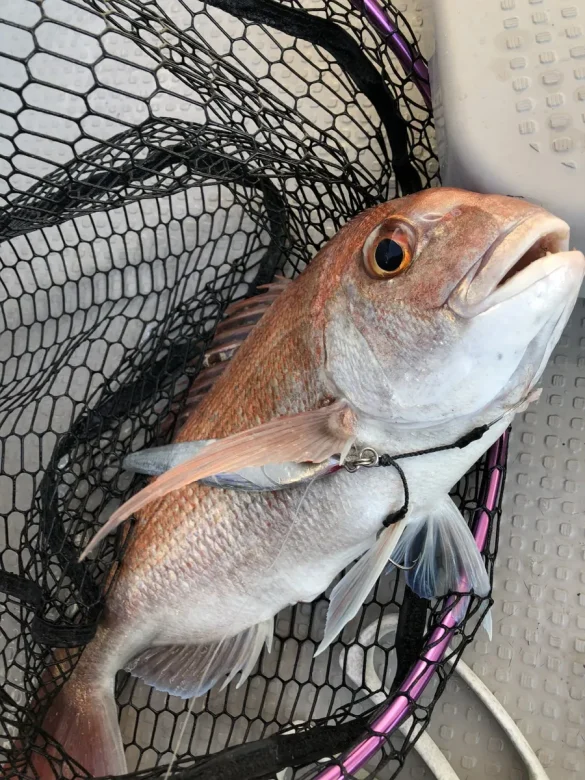
タイジグ〜 (“Tai jig~”)
— ちゃんま(@mybo_tsuricamp), 27 October 2022
Two words and a photo, which is about as much as anyone types with wet hands on a moving boat. Tai jig (タイジグ) is the Japanese shorthand for exactly what the section above describes: a short metal jig fished for madai rather than for kingfish or tuna. In the picture the fish is in the net on the deck, the jig is lying against its flank, and the hook has ended up outside the mouth.
We fish this stuff in Japan, not in Australia, so treat the photo as evidence about the fish rather than about your local reef. What it does show is why the hook layout on these jigs is designed the way it is. Madai have a habit of swiping at a jig rather than swallowing it, and a twin up front with a single at the tail is a layout built around that habit. Australian snapper are a bigger, harder-pulling relative, so if you import one of these, the sensible first modification is a heavier-wire assist rather than anything to do with the body.
| Model | Category | Weight range | Best water | Price (JPY) |
|---|---|---|---|---|
| Jackall Bakuryu Namarishiki BinBinDama Slide | Kabura / tai rubber | 45-250 g | Deep reef, fast drift, dotera | ¥1,078-1,870 (incl.) |
| Ecogear Power Shad | Soft plastic | 100-150 mm body | Anywhere you can hold bottom | No maker RRP published |
| Ecogear 3D Jig Head | Jig head | 7-40 g | Pairs with the plastic above | No maker RRP published |
| Ecogear ZX | Metal blade | 3.5-8.8 g | Shallow bays, estuaries, prawn feeders | No maker RRP published |
| Ecogear VX | Metal blade | 3.5-8.0 g | Same, plus vertical work in light current | No maker RRP published |
| Daiwa TG Bait SLJ | Tungsten micro jig | 30-80 g | Mid-depth reef, fast drift, fussy fish | ¥2,250-4,050 (excl.) |
Gold: Jackall Bakuryu Namarishiki BinBinDama Slide 80 g
¥1,155 (~A$10.50, tax incl.) buys a complete rigged kabura with the sliding system, the PTFE tube and a T+ rubber skirt already on it. Nothing else here gets a Japanese snapper method into your hands for the price of two coffees, and the 45 g to 250 g spread means one lure family covers a bay drift and a deep reef.
Silver: Daiwa TG Bait SLJ 45 g
¥2,650 (~A$24, tax excl.) for 64 mm of tungsten with madai hooks fitted from the factory. This is the one to reach for when the drift picks up and the plastics start planing. Pricey to lose, so it goes on last, not first.
Bronze: Ecogear ZX 40
40 mm, 6.4 g, sinking, with the offset assist hooks that make it fishable around structure. Marukyu doesn’t publish a list price, so check the current Amazon figure. It’s the pick for shallow bay and estuary snapper, and it’s already on Australian shelves if you’d rather not wait for post.
Answer two questions and the choice makes itself. How deep, and how fast is the boat moving? Under 15 m with a slow drift, the blade or the plastic will do everything you need and cost you least when the reef takes one. Past that, or on a windy day when the boat is sliding sideways, the kabura and the tungsten jig are the only two here that stay in the strike zone long enough to matter.
If you’re fishing from the rocks or a jetty rather than a boat, none of the above changes the fundamentals, but the casting side of Japanese tackle is a separate topic and our shore jigging beginners guide is the better starting point.
One last thing that has nothing to do with lures. Snapper rules move around in this country, particularly in South Australia and Victoria, and a closure will cost you a trip far more effectively than the wrong lure will. Check your state fisheries site before you book anything.