Best JDM Lures for Bream in Australia: Eight Picks from Japan's Black Bream Tackle
ちゃんま
マイボ!
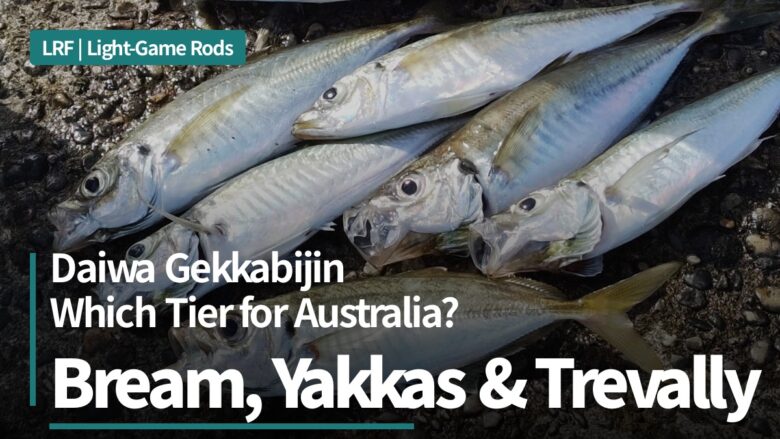
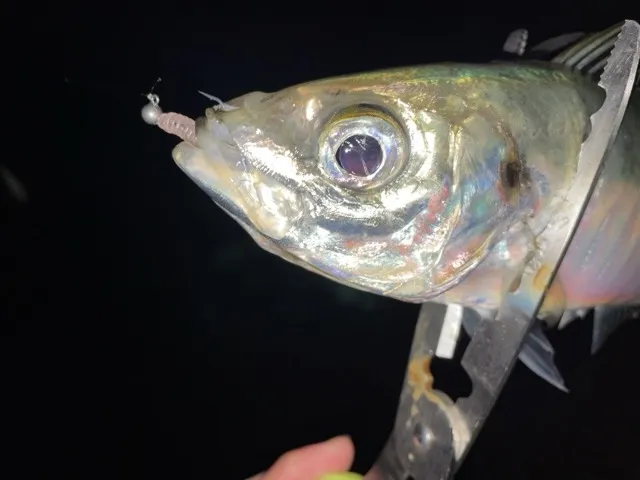
Australia’s yakka, the yellowtail scad (Trachurus novaezelandiae), sits in the same genus as Japan’s aji (Trachurus japonicus). That one fact explains why so many Japanese light-game rods cross over so well here. Daiwa’s Gekkabijin (月下美人, the name of a night-blooming cactus) is the range Japanese anglers buy for aji and mebaru, the small rockfish they chase around harbour lights and weed edges after dark. Fish the same way for yakkas under a jetty light, or for bream along a pontoon at dusk, and the rods carry over with very little translation.
The catch is the size of the range. Daiwa Japan currently lists five shore tiers, from ¥16,500 (~A$150) for the cheapest Gekkabijin Ajing to ¥74,000 (~A$675) for the top EX AGS, and between them they hold 52 shore models. Only a handful are worth bringing in for Australian fish.
No. Daiwa Australia’s site lists one Gekkabijin product, the AIR TW PE Special baitcast reel, and no Gekkabijin rods at all. None of the five rod tiers is in the local range, so every rod in this article is a Japanese import, and Daiwa Australia’s warranty won’t be behind it.
A few specialist shops here do bring some in. ISO Fishing Lifestyle, for one, lists the 25 Gekkabijin MX Ajing. For the rest of the range, eBay and Japanese export sellers are the realistic routes, which is why each tier below has an eBay button rather than a local stockist.
From the base rods up to the AIR, each tier is split the same way. The ajing (アジング) models are built for aji, and Daiwa colours their trim gold, silver or black depending on the tier. The mebaru models, for mebaru fishing (メバリング), carry red. Daiwa’s own AIR page spells out the difference: the ajing blanks are given more stiffness for short, sharp shakes, while the mebaru rods get a stronger tip on a blank that bends deep. The EX doesn’t follow the split: Daiwa builds it around technique rather than species. Either way, the ajing and mebaru division maps onto Australian fish better than you might expect.
| Australian fish | Closest Japanese match | Where to look in the range |
|---|---|---|
| Yakka (yellowtail scad) | Aji, the same genus | Ajing models under 7 ft, rated 0.3 to 8 g |
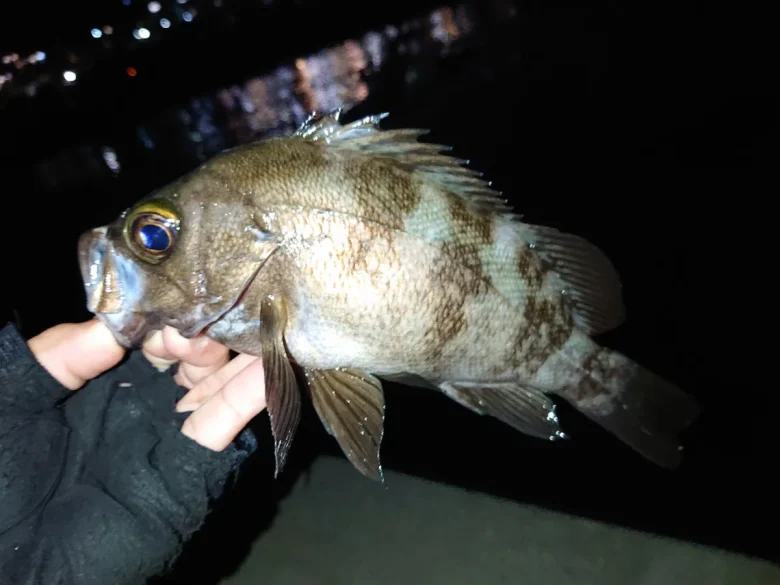
| Yellowfin and black bream | Kurodai (chinu), a bream cousin; mebaru for the way it’s fished | Mebaru models around 7’4″ to 7’6″, or the bait (B) models for small hard bodies |
| Silver trevally, small GT and tailor | Larger aji on long casts | The ML and M models, 7’8″ to 8’4″, rated to 10 or 15 g |
Yakkas are the easy match. They hang around lit jetties and boat ramps, they eat 0.5 to 2 g jig heads, and that’s exactly what a short ajing rod is designed around. If you want the heads to go with it, my guide to ajing jig heads and soft plastics covers the Japanese ones.
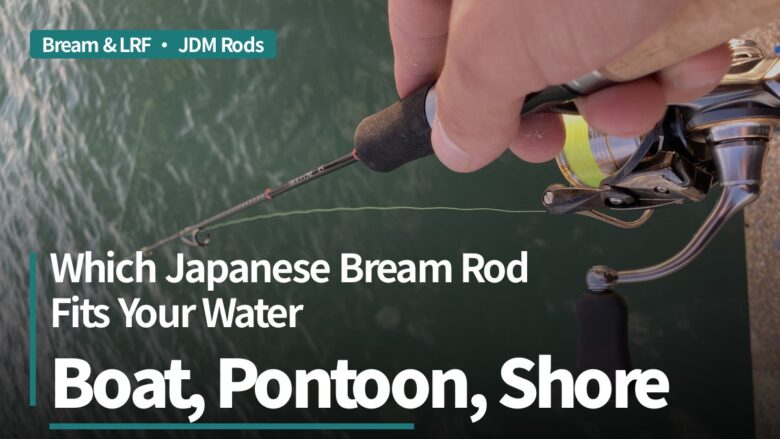
Bream take more translating. Japan builds separate rods for its own bream, so a Gekkabijin is never a dedicated bream stick. The mebaru models still suit the way bream get fished here, with 1/16 to 1/8 oz heads and small plugs worked tight to structure, because they’re longer, have a forgiving tip and cast light lures a long way. Their PE rating tops out between 0.3 and 0.6, which is light for dragging a fish out of oyster racks, and that’s the trade-off. My JDM rods for bream and LRF compares the Japanese rods that are built for that job.
For silver trevally, go to the longest ajing and mebaru models, rated to 10 or 15 g. They let you cast a 5 to 7 g metal or a float rig far enough and still turn a silver trevally that runs for the pylons.
Model codes follow one pattern across the tiers. In 74UL-S, the 74 is 7’4″, UL is the power, and S means a solid carbon tip; T means a tubular tip, and a B after the power (73ULB-T) marks a baitcast rod. The letter after the dot (・J, ・W, ・Q) is just Daiwa’s generation tag, and the RX models don’t carry one.
The easiest way to see it is to put the same model code side by side across the tiers. Daiwa makes a 74UL-S in all five, which gives a clean comparison.
| Code | Base | RX | MX | AIR | EX AGS |
|---|---|---|---|---|---|
| 74UL-S (mebaru) | 66 g / ¥18,200 (~A$165) | 73 g / ¥24,500 (~A$225) | 69 g / ¥40,000 (~A$365) | 50 g / ¥50,500 (~A$460) | 51 g / ¥71,000 (~A$645) |
| 68L-T (mebaru) | – | 66 g / ¥24,300 (~A$220) | 66 g / ¥39,500 (~A$360) | 47 g / ¥49,500 (~A$450) | 48 g / ¥70,000 (~A$635) |
| 510UL-S (ajing) | 57 g / ¥17,000 (~A$155) | 62 g / ¥23,800 (~A$215) | – | 42 g / ¥49,500 (~A$450) | 43 g / ¥68,000 (~A$620) |
| 83M-T / 84M-T (mebaru) | 86 g / ¥19,300 (~A$175) | 98 g / ¥24,900 (~A$225) | 86 g / ¥41,000 (~A$375) | 70 g / ¥52,000 (~A$475) | – |
Two things stand out. Weight doesn’t fall as the price rises until you reach the AIR. The new RX is the heaviest, or joint heaviest, rod in every row it appears in, and the cheapest base rod is lighter than both RX and MX at 7’4″. Daiwa even says so on the base mebaru page: some of its models come in lighter overall than the MX. What the RX and MX add is in the blank and the fittings, and you’d only feel that in hand.
The weight finally comes off between MX and AIR, where the 74UL-S and the 68L-T each lose 19 g. That step brings in AGS, Daiwa’s carbon-framed guides, and a lower-resin SVF blank. Going from AIR to EX costs about another ¥20,000 and adds a gram. The EX buys a different blank material, Daiwa’s ESS design process and a short-foot version of the AGS guides; it doesn’t buy a lighter rod.
So for an Australian angler the useful steps are base to RX (a stiffer, quicker blank for about ¥6,000 more), and MX to AIR (a rod that’s 15 to 20 g lighter). Base to MX is the step that’s hardest to justify on paper.
The base tier is two series: the Gekkabijin Ajing (・R) and the Gekkabijin mebaru models (・N). Both use Daiwa’s HVF carbon with a MEGA TOP solid tip on the S models. The guides are one size larger than other makers use, which Daiwa says threads more easily at night and adds a few metres of casting distance with sub-1 g rigs and stiff monofilament-type lines.

Opens eBay Australia search results for the Daiwa Gekkabijin Ajing rod; listings come from independent sellers.
| Blank | HVF carbon (high-density, lower-resin carbon) |
| Tip | MEGA TOP solid carbon tip on the S models; tubular on the T models |
| Guides | One size larger than usual, for line flow with very light rigs |
| Trim | Black on the ajing models, red separator on the mebaru models |
| Rod | Length | Weight | Lure (g) | PE (go) | JDM RRP (excl. tax) |
|---|---|---|---|---|---|
| Ajing 55UL-S | 1.65 m | 55 g | 0.3-5 | 0.1-0.3 | ¥16,500 (~A$150) |
| Ajing 510UL-S | 1.78 m | 57 g | 0.3-5 | 0.1-0.3 | ¥17,000 (~A$155) |
| Ajing 68L-S | 2.03 m | 63 g | 0.5-8 | 0.1-0.4 | ¥17,500 (~A$160) |
| Ajing 78ML-S | 2.34 m | 81 g | 2-15 | 0.15-0.6 | ¥18,500 (~A$170) |
| Ajing 80ML-T | 2.44 m | 85 g | 2-15 | 0.15-0.6 | ¥19,000 (~A$175) |
| 610L-S (mebaru) | 2.08 m | 64 g | 0.5-8 | 0.1-0.4 | ¥17,700 (~A$160) |
| 74UL-S (mebaru) | 2.24 m | 66 g | 0.3-5 | 0.1-0.3 | ¥18,200 (~A$165) |
| 76L-T (mebaru) | 2.29 m | 77 g | 0.5-8 | 0.15-0.4 | ¥18,300 (~A$165) |
| 83M-T (mebaru) | 2.51 m | 86 g | 2-15 | 0.15-0.6 | ¥19,300 (~A$175) |
For bream, the 76L-T is the first one to look at: 7’6″, a tubular tip that handles 2 to 3 g heads better than a soft solid, and room up to PE 0.4. Yakka anglers get more from the Ajing 510UL-S or 68L-S. The Ajing 78ML-S and 80ML-T, both rated 2 to 15 g, are the cheapest Gekkabijins that’ll throw a small metal far enough for trevally. The bream and trevally LRF setup builds a whole outfit around the Ajing 68L-S if you want the reel and line worked out too.
The RX arrived in Japan in September 2026 in two halves, five RX Ajing models with gold trim and four mebaru models in red. Daiwa describes it as a newly designed high-modulus blank, from the mandrel up, chasing precision and response. It’s backed by X45 bias wrapping and HVF Nanoplus carbon, with the balance point moved back toward the butt so the rod is easier to shake and strike with held high.

Opens eBay Australia search results for the Daiwa Gekkabijin RX; listings come from independent sellers.
| Blank | High-modulus HVF Nanoplus with X45 (45° bias carbon against twisting) |
| Tip | MEGA TOP solid on the S models only |
| Reel seat | Fuji IPS, reshaped into an egg profile for more palm contact |
| Balance | Rear-weighted grip end with a carbon cloth pipe |
| Joint | Two-piece, standard (並継) joint with the tip section fitting into the butt |
| Rod | Length | Weight | Lure (g) | PE (go) | JDM RRP (excl. tax) |
|---|---|---|---|---|---|
| RX Ajing 54UL-S | 1.63 m | 56 g | 0.3-5 | 0.1-0.3 | ¥23,600 (~A$215) |
| RX Ajing 510UL-S | 1.78 m | 62 g | 0.3-5 | 0.1-0.3 | ¥23,800 (~A$215) |
| RX Ajing 64UL-S | 1.93 m | 65 g | 0.3-5 | 0.1-0.3 | ¥24,000 (~A$220) |
| RX Ajing 64L-S | 1.93 m | 65 g | 0.5-8 | 0.1-0.4 | ¥24,200 (~A$220) |
| RX Ajing 710ML-T | 2.39 m | 90 g | 1.5-10 | 0.15-0.5 | ¥24,600 (~A$225) |
| RX 68L-T | 2.03 m | 66 g | 0.5-8 | 0.1-0.4 | ¥24,300 (~A$220) |
| RX 74UL-S | 2.24 m | 73 g | 0.3-5 | 0.1-0.3 | ¥24,500 (~A$225) |
| RX 75L-T | 2.26 m | 75 g | 0.5-8 | 0.1-0.4 | ¥24,700 (~A$225) |
| RX 84M-T | 2.54 m | 98 g | 2-15 | 0.2-0.6 | ¥24,900 (~A$225) |
Daiwa’s model notes line up neatly with Australian fish. The RX Ajing 64L-S is pitched for heads around 1.5 g in current, which is yakka-under-the-light territory on a moving tide. The RX 75L-T is aimed at 2.5 g heads and plugs from harbour to breakwall, which is a fair description of a bream session. The 84M-T is the power model for long casts with Carolina and float rigs.
The RX isn’t light: at 98 g the 84M-T is 12 g heavier than the base 83M-T, and the RX 74UL-S is 7 g up on the base 74UL-S. You’re paying about ¥6,000 for the stiffer blank and the seat, not for lightness.
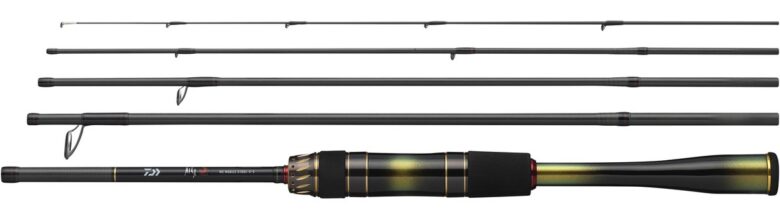
MX sits in the middle of the range. Its blank is HVF Nanoplus with X45 and Daiwa’s V-JOINT ferrule, and it’s the first Gekkabijin with a carbon monocoque rear grip, a hollow all-carbon butt that Daiwa says improves balance and cast feel. The MX mebaru models already have their own full table in the bream rod guide linked above, so this one sticks to the ajing rods that suit yakkas and trevally and to the new travel series.
Check Gekkabijin MX Ajing on eBay
Opens eBay Australia search results for the Daiwa Gekkabijin MX Ajing; listings come from independent sellers.
Check Gekkabijin MX MB on eBay
Opens eBay Australia search results for the Daiwa Gekkabijin MX MB; listings come from independent sellers.
| Blank | HVF Nanoplus with X45 and V-JOINT (bias-wrapped ferrule for a one-piece-like curve) |
| Rear grip | Carbon monocoque, all-carbon hollow construction (MX, MX Ajing and MX MB) |
| Reel seat | ZERO SEAT on MX and MX Ajing; AIR SENSOR SEAT on MX MB |
| Tip | MEGA TOP solid on the S models |
| MX MB only | Five-piece, 41 to 47 cm closed, small-bore LF top guide |
| Rod | Length | Weight | Lure (g) | PE (go) | JDM RRP (excl. tax) |
|---|---|---|---|---|---|
| MX Ajing 55L-S | 1.65 m | 52 g | 0.5-8 | 0.1-0.4 | ¥38,500 (~A$350) |
| MX Ajing 66L-S | 1.98 m | 60 g | 0.5-8 | 0.1-0.4 | ¥39,500 (~A$360) |
| MX Ajing 711ML-S | 2.41 m | 79 g | 1.5-10 | 0.15-0.5 | ¥43,000 (~A$390) |
| MX MB 510UL-S-5 | 1.78 m | 78 g | 0.3-5 | 0.1-0.3 | ¥34,000 (~A$310) |
| MX MB 65L-S-5 | 1.96 m | 83 g | 0.5-8 | 0.1-0.4 | ¥34,500 (~A$315) |
| MX MB 610UL-S-5 | 2.08 m | 83 g | 0.3-5 | 0.1-0.3 | ¥35,000 (~A$320) |
The MX MB is the interesting one for anyone outside Japan. Five pieces pack it down to 41 to 47 cm, short enough for a suitcase or a small parcel, and it’s cheaper than the two-piece MX rods. The 2026 version replaced the earlier MX MB, whose 610L-S-5, 72UL-S-5 and 76ML-T-5 have dropped off Daiwa’s site, so check the code on any listing.
Those joints add weight, though. The MX MB 65L-S-5 is 83 g and the two-piece MX Ajing 66L-S is 60 g.
The MX Ajing 711ML-S is this tier’s trevally rod for the rocks. At 7’11” with a 1.5 to 10 g rating it reaches further than the base Ajing 68L-S and still has a solid tip for jig heads.
Already fish a finesse baitcaster for bream? The MX mebaru 76LB-T, one of two MX bait models, is rated 2 to 10 g.
AIR is where AGS carbon guides and the lower-resin SVF blank appear, and it’s the tier that drops 15 to 20 g at most lengths. It’s also the widest range here: five ajing models, three mebaru spinning models and two baitcast rods. The 5-foot ajing models go without a rear grip altogether, with the reel seat nut locked down and shrunk for easy blank touch. Daiwa recommends a rod stand for those, since there’s no butt to lean on.

Opens eBay Australia search results for the Daiwa Gekkabijin AIR rod; listings come from independent sellers.
| Blank | SVF carbon (less resin than HVF) with X45 and V-JOINT |
| Guides | AGS carbon frames, which Daiwa rates at about three times the stiffness of titanium |
| Tip | High-modulus MEGA TOP solid on the S models, orange tip thread |
| Reel seat | ZERO SEAT, with EVA cut down for a small grip |
| Ajing vs mebaru | Ajing models stiffer through the blank (silver butt); mebaru models with a stronger tip that bends deep (red butt) |
| Rod | Length | Weight | Lure (g) | PE (go) | JDM RRP (excl. tax) |
|---|---|---|---|---|---|
| AIR Ajing 53L-S | 1.60 m | 39 g | 0.5-8 | 0.1-0.4 | ¥49,000 (~A$445) |
| AIR Ajing 510UL-S | 1.78 m | 42 g | 0.3-5 | 0.1-0.3 | ¥49,500 (~A$450) |
| AIR Ajing 63L-T | 1.91 m | 45 g | 0.5-8 | 0.1-0.4 | ¥50,000 (~A$455) |
| AIR Ajing 66L-S | 1.98 m | 47 g | 0.5-8 | 0.1-0.4 | ¥50,000 (~A$455) |
| AIR Ajing 711M-T | 2.41 m | 64 g | 2-15 | 0.2-0.6 | ¥52,000 (~A$475) |
| AIR 68L-T | 2.03 m | 47 g | 0.5-8 | 0.1-0.4 | ¥49,500 (~A$450) |
| AIR 74UL-S | 2.24 m | 50 g | 0.3-5 | 0.1-0.3 | ¥50,500 (~A$460) |
| AIR 83M-T | 2.51 m | 70 g | 2-15 | 0.2-0.6 | ¥52,000 (~A$475) |
| AIR 63XULB-T | 1.91 m | 60 g | 2-6 | 0.2-0.4 | ¥52,000 (~A$475) |
| AIR 73ULB-T | 2.21 m | 67 g | 2-8 | 0.2-0.6 | ¥53,500 (~A$485) |
The AIR Ajing 711M-T is the trevally rod of the whole range: 64 g for a 7’11” rated to 15 g, which is 22 g lighter than the base 83M-T for a similar job. Bream anglers who like a bait reel have the 73ULB-T, a 2 to 8 g rod that suits small blades and crankbaits.

Opens eBay Australia search results for the Daiwa Gekkabijin EX AGS; listings come from independent sellers.
| Blank | SVF Compile-X Nanoplus, reinforced with X45 full shield on the outer layer |
| Design | ESS, Daiwa’s strain-energy simulation used to tune each blank |
| Guides | AGS Type-R short-foot guides, fixed with CWS carbon wrapping instead of thread |
| Ferrule | V-JOINTα, a thinner, stronger version of V-JOINT |
| Reel seat | ZERO SEAT compact fit; AIR SENSOR SEAT on the 76ML-T only |
| Tip | MEGA TOP solid on the 510UL-S, 66L-S and 74UL-S only |
| Rod | Length | Weight | Lure (g) | PE (go) | JDM RRP (excl. tax) |
|---|---|---|---|---|---|
| EX AGS 57UL-T | 1.70 m | 42 g | 0.3-5 | 0.1-0.3 | ¥69,000 (~A$625) |
| EX AGS 510UL-S | 1.78 m | 43 g | 0.3-5 | 0.1-0.3 | ¥68,000 (~A$620) |
| EX AGS 66L-S | 1.98 m | 47 g | 0.5-8 | 0.1-0.4 | ¥70,000 (~A$635) |
| EX AGS 68L-T | 2.03 m | 48 g | 0.5-8 | 0.1-0.4 | ¥70,000 (~A$635) |
| EX AGS 74UL-S | 2.24 m | 51 g | 0.3-5 | 0.1-0.3 | ¥71,000 (~A$645) |
| EX AGS 76ML-T | 2.29 m | 82 g | 1.5-10 | 0.15-0.5 | ¥74,000 (~A$675) |
The EX is a feel rod, and its numbers don’t argue for it: the AIR matches it gram for gram at the shared lengths and costs about 70 per cent of the price. If you fish yakkas under lights often enough to care how a 0.5 g head transmits, the EX 510UL-S is the one to look at. For bream and trevally the AIR does the same work for about ¥20,000 less.
Mostly, if you pick from the middle of the length range. A 7’5″ to 7’6″ mebaru model rated 0.5 to 8 g, such as the RX 75L-T or the base 76L-T, will fish 1 to 3 g heads for yakkas, 1/16 oz heads and small plugs for bream, and a light metal for trevally when they show up. It won’t be as crisp as a 5’10” ajing rod with a 0.5 g head, and it won’t cast a 10 g metal. As the one rod that lives in the car, it makes sense.
If trevally and tailor are the main event, go longer and heavier instead: the AIR Ajing 711M-T or the MX Ajing 711ML-S. Heavier bream heads are a separate question. My guide to Japanese jig heads for Australian plastics works through the 1.8 to 7 g weights that Australian plastics actually need.
| Tier | Shore models | Weight range | Blank and guides | JDM RRP (excl. tax) | Pick for Australia |
|---|---|---|---|---|---|
| Base (Ajing / mebaru) | 9 | 55-86 g | HVF, oversized guides | ¥16,500 (~A$150) to ¥19,300 (~A$175) | 76L-T (bream), Ajing 510UL-S (yakkas) |
| RX (2026) | 9 | 56-98 g | High-modulus HVF Nanoplus, Fuji IPS seat | ¥23,600 (~A$215) to ¥24,900 (~A$225) | 75L-T (all-rounder), Ajing 64L-S (yakkas) |
| MX / MX Ajing | 15 | 48-86 g | HVF Nanoplus, monocoque grip | ¥37,000 (~A$335) to ¥43,500 (~A$395) | MX Ajing 711ML-S (trevally) |
| MX MB (2026) | 3 | 78-83 g | As MX, five-piece | ¥34,000 (~A$310) to ¥35,000 (~A$320) | 65L-S-5 (travel) |
| AIR | 10 | 39-70 g | SVF, AGS guides | ¥49,000 (~A$445) to ¥53,500 (~A$485) | Ajing 711M-T (trevally), 73ULB-T (bream, bait) |
| EX AGS | 6 | 42-82 g | SVF Compile-X, AGS Type-R | ¥68,000 (~A$620) to ¥74,000 (~A$675) | 510UL-S (yakkas) |
Gold: Daiwa Gekkabijin RX 75L-T
7’5″ with a tubular tip, 0.5 to 8 g and PE 0.1 to 0.4. Daiwa aims it at 2.5 g heads and plugs from harbour to breakwall, which covers bream, yakkas and the odd trevally with one rod.
¥24,700 (~A$225) JDM RRP excl. tax
Silver: Daiwa Gekkabijin 76L-T (mebaru)
The cheapest way into the range for bream: 7’6″, 77 g, a tubular tip and the oversized guides that help light rigs fly. It’s about ¥6,400 less than the RX.
¥18,300 (~A$165) JDM RRP excl. tax
Bronze: Daiwa Gekkabijin MX MB 65L-S-5
Five pieces, 45 cm closed and 0.5 to 8 g. It’s the Gekkabijin that fits in a suitcase, and it costs less than the two-piece MX rods.
¥34,500 (~A$315) JDM RRP excl. tax
If you’re buying lures to go with whichever rod you choose, the JDM bream lure picks lists the Japanese plugs and soft plastics that suit these line classes.
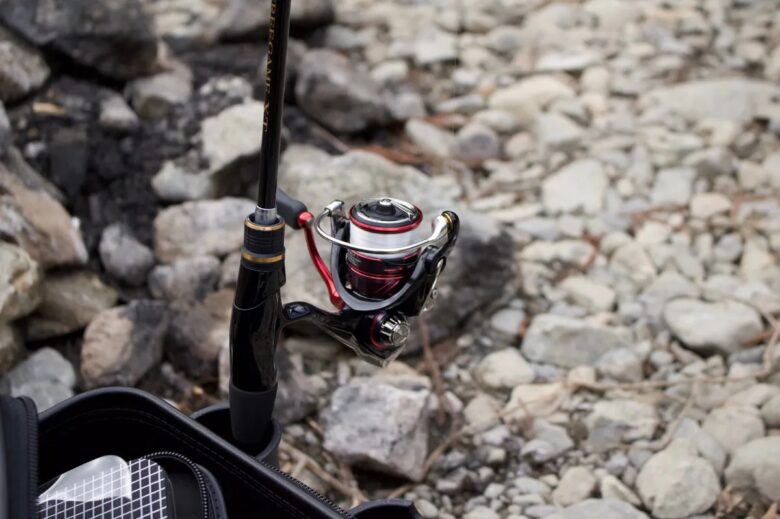
Buy the AIR only if the 15 to 20 g matters to you, and the EX only if you already know why you want one. For most bream and yakka fishing in Australia, the RX or the base rods do the job.
As an Amazon Associate we earn from qualifying purchases. As an eBay Partner Network affiliate, we may also earn from qualifying purchases made through eBay links.