Best JDM Reels for Kingfish: Shore & Rock Fishing
ちゃんま
マイボ!

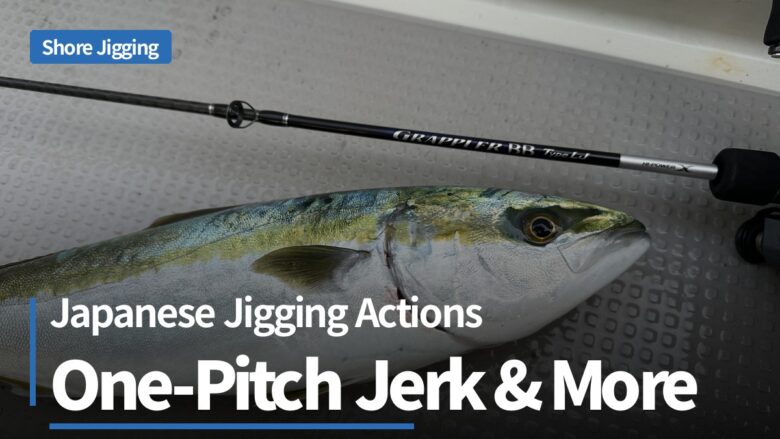
Japanese jigging comes down to four actions: the one-pitch jerk, the slow pitch jerk, the high pitch jerk and the long fall jerk. Learn the one-pitch jerk properly and you can fish almost anywhere with it, and the other three are there for the days it stops producing. If you’ve ever read a JDM jig’s packaging or watched a Japanese fishing video and felt lost, that’s the whole map in two sentences.
Jigging actions are just structured ways of making a metal jig dart, flutter and fall so it looks like a wounded baitfish. The Japanese didn’t invent dropping a lump of metal and winding it back, but they did break the retrieve down into a precise vocabulary that anyone can learn and repeat. Once you understand the handful of core actions, you can read any Japanese jig description and know exactly how the maker wants you to fish it.
This is a technique guide, not a tackle review. We’ll start with the short answer, take each action in turn, then come back to what actually separates one from another and how to match jig, rod and reel to the action you want to make. The same actions work whether you’re casting metal off the rocks for kingfish and salmon, or dropping straight down over offshore reef.
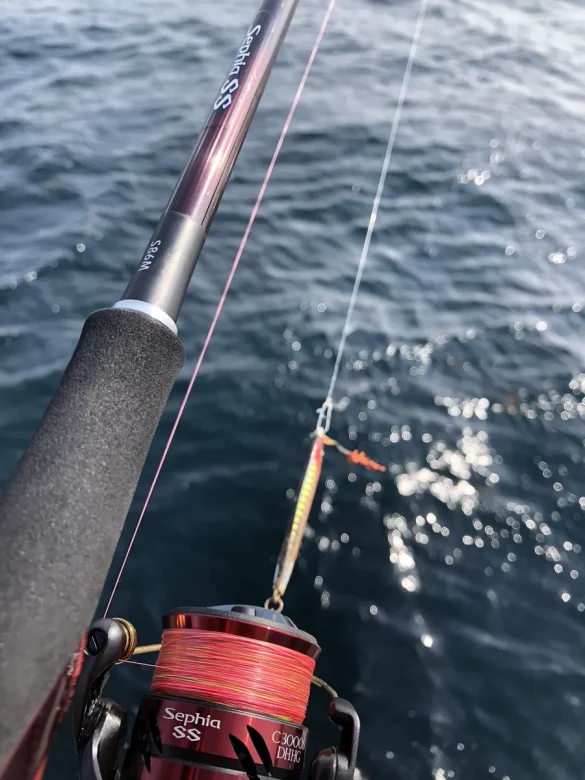
If you want the answer before the detail: tie on a jig, work it with a one-pitch jerk, and pay attention to the drop. If you only master one action, make it the one-pitch jerk. It’s the first action Japanese jiggers learn, and everything else in this guide is a variation on the same theme.
The second half of the answer matters just as much. Fish very rarely eat a jig on the lift. The vast majority of bites come on the fall, when the jig flutters down looking helpless. Every Japanese action is really just a different way of setting up that fall, so once you start watching the drop instead of the lift, the names stop being intimidating.
From there you swap actions when the one-pitch stops producing: slow pitch to hang a jig in front of deep or sluggish fish, high pitch when they want a bigger, harder-driven presentation, and long fall when you want the longest, most natural drop you can give a jig. The rest of this guide takes them one at a time.
The one-pitch jerk (ワンピッチジャーク) is the action every Japanese jigger learns first, and the one you’ll use most. It’s a single rod lift matched with a single turn of the reel handle, repeated at a steady tempo of roughly one pitch per second. The rod and the reel work together: as you sweep the rod up, you wind once, then drop the rod tip back down to give the jig a moment to fall before the next cycle.
That brief pause at the top of each lift is the whole point. It lets the jig swim free or flutter sideways for a split second, and that’s the window a fish takes it. You can vary the wind from a full crank to a half or quarter crank to change how aggressive the action looks. A full-crank one-pitch is fast and searching; a quarter-crank one-pitch is tight and subtle.
One-pitch jerk is your default for chasing aggressive pelagics like kingfish, tuna and bonito, whether you’re on the rocks or out wide. It covers water fast, keeps the jig moving naturally, and stays in the strike zone the whole way up. Get the tempo comfortable here and the other three actions become small adjustments on top of it.
Slow pitch jerk (スローピッチジャーク) flips the emphasis from the angler to the jig. Instead of swimming the jig up through the water, you use a sharp load and release of a soft, parabolic rod to flick the jig, then stop dead and let it flutter horizontally back down. The rod springs the jig; you don’t muscle it. The bite comes during that long, fluttering fall.
The tempo sounds slow, and it is, but the name really refers to the low frequency of the action rather than lazy movement. Each pitch is a deliberate stop-and-go: load the rod, release, pause, let it fall, repeat. It shines when fish are deep, sluggish, or holding tight to the bottom, which is most of the time over offshore reef. Slow pitch is built around flat-fall jigs that hang and shimmy rather than dart straight up.
For Australian anglers, slow pitch is a deadly approach for bottom species like snapper, pearl perch and the deeper reef fish, and it’ll still get hit by passing pelagics. It does demand the right gear: a soft slow-pitch rod and a free-spooling reel make it work, and trying to force the action with a stiff jigging stick just kills the flutter. If you want to go deep on this one, our offshore light jigging guide covers the rod and reel side in detail.
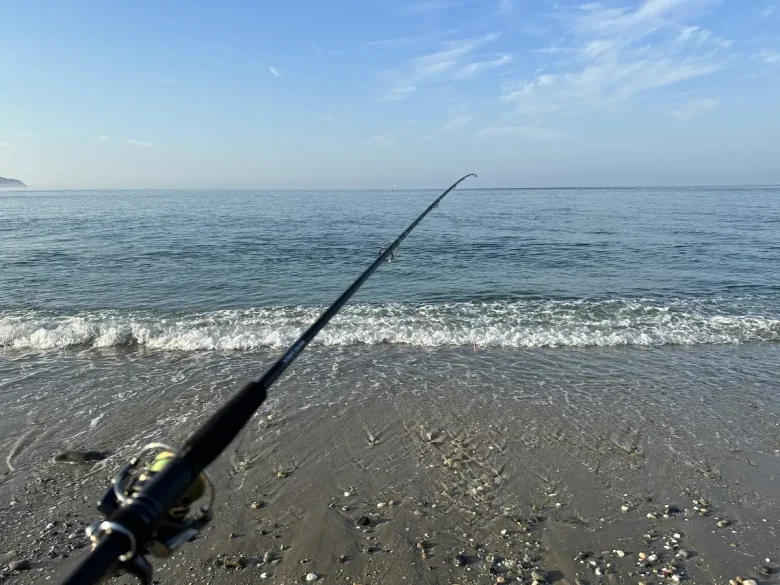
High pitch jerk (ハイピッチジャーク) is slow pitch’s stronger cousin. It follows the same load-and-release principle, but with a more powerful rod, a faster reel, and a harder punch on each stroke. The jig is whipped harder so it slides further and stays suspended in slack line for longer after each pitch. The tempo stays slow, sometimes slower than slow pitch, because each powerful stroke buys a longer drift.
This action suits faster, more active fish, and deeper water or strong current where you need a longer, heavier jig with real momentum. A reel that picks up plenty of line per crank, ideally well over a metre, lets you keep contact and reset between those big strokes. Think of high pitch as the action you reach for when slow pitch isn’t getting noticed and the fish want a bigger, more committed presentation.
Long fall jerk (ロングフォールジャーク) is the simplest action to describe and one of the most effective on big fish. You lift the jig as high as the rod will reach in one long sweep, then stop and let it free fall the entire way back down without winding. That single, extended fall is the longest, most natural drop you can give a jig, and big predators find it hard to ignore.
Because the fall is so long, you usually want a longer rod to maximise the lift, and a jig shaped to glide and flutter on a slack line. Bites often come somewhere in the middle of that fall, so you have to stay alert and watch your line: a tick, a jump, or the line suddenly going slack early all mean a fish has it. Long fall is a low-effort, high-reward action, perfect when you’re tired late in a session but the better fish are still down there.
Here’s the whole family at a glance. Use it as a cheat sheet on the boat or rocks, then change actions when one stops producing.
| Action | How you do it | Best for |
|---|---|---|
| One-pitch jerk | One rod lift + one reel wind per second, with a brief pause to let it fall | Aggressive pelagics, covering water, all-round searching |
| Slow pitch jerk | Load and release a soft rod, then stop and let the jig flutter down | Deep reef, sluggish or bottom-hugging fish, fair conditions |
| High pitch jerk | Same as slow pitch but with a harder punch, heavier jig and faster reel | Active fish, deep water, strong current, longer jigs |
| Long fall jerk | One long lift, then a full free fall back down with no winding | Big fish, late-session, low-effort presentation |
A jigging action is the combination of rod movement and reel wind that you use to bring a metal jig back to you. Strip away the jargon and every action is built from three ingredients: the lift (you raise the jig with the rod), the wind (you take up line with the reel), and the fall (you let the jig drop). How hard you lift, how much you wind, and how long you let it fall is what separates one action from the next.
The word that trips most people up is “pitch.” In Japanese jigging, one pitch means one cycle of the action, usually one rod lift paired with one turn of the reel handle. So “one pitch, one jerk” literally means one wind and one lift per cycle. The tempo, how many pitches you do per second, is what makes an action fast or slow. It’s a simple idea hiding behind intimidating names.
It also explains why the four actions above read so similarly on paper and feel so different in the hand. Each one is a different way of setting up the fall, and the tempo, the strength of the lift and the amount of line you take back are the dials you turn. Get your head around that, and the rest of this guide clicks into place.
Actions and tackle are two halves of the same system. A flat-fall jig fluttering on a slow pitch rod is a different animal to a straight, fast jig ripped on a one-pitch jerk, and the rod and reel have to suit the action you’re trying to make. You don’t need a quiver of rods to start, but it helps to understand the relationships.
Jig shape. Centre-balanced, leaf-shaped jigs flutter and glide, which is what slow pitch, high pitch and long fall all rely on. Front- or rear-weighted, slim jigs cut through current and dart, which suits the one-pitch jerk and faster searching. Carry a couple of each shape and you can cover most situations. Our Japanese metal jig guide goes deep on which JDM jigs do what.
Rod. A one-pitch jerk wants a rod with some backbone to drive the jig and set the hook on the way up. Slow pitch wants a soft, slow-tapered rod that loads and springs the jig, with a tip that telegraphs the fall. Long fall leans towards a longer rod to maximise the lift. The rod’s action does half the work for you, so it’s the single piece of gear most worth matching to your style. Our shore jigging rod guide breaks down the JDM options.
Reel. For one-pitch and high pitch, a reel that picks up a good amount of line per crank keeps the rhythm and resets quickly between strokes. For slow pitch and long fall, free, smooth spool rotation and a reliable drag matter more than raw speed, because you’re letting the jig fall and feeding line. Spinning gear rules shore jigging; baitcasters and slow-pitch reels dominate offshore. Our guide to JDM spinning reels for Australian anglers covers the shore side.
Since most bites land on the fall, learning to read a falling jig is the skill that separates good jiggers from lucky ones. The trick is to keep just enough contact to feel the jig without killing its flutter. Too tight and the jig swims instead of fluttering; too slack and you’ll never feel the take. You want a controlled slack, the line drifting down with the jig.
Watch the line where it enters the water. On a fall, a bite often shows as the line stopping early, twitching, or jumping sideways before the jig has had time to reach the depth you expected. When that happens, wind up the slack fast and sweep the rod into the fish rather than swinging a hard strike. A violent hookset on slack line usually pulls the jig away from the fish; a smooth, firm sweep buttons it on far more often.
The other habit worth building is counting the jig down. Count the seconds it takes to hit the bottom, and you’ll quickly learn what depth the fish are sitting at. Once you know they’re holding, say, two-thirds of the way down, you can start your action there every drop instead of wasting time and energy working empty water.
Years of jigging back home taught me one lesson above all: the angler who changes actions out-fishes the angler who grinds the same retrieve all day. Fish moods shift with the tide, the light and the bait, and what they ignored an hour ago they’ll smash now. The Japanese vocabulary exists precisely so you can switch deliberately instead of guessing.
A simple plan for a session: start with the one-pitch jerk to find willing fish and read the water. If you’re marking fish but they won’t commit, slow it down to a slow pitch and work the fall harder. If the bites are deep and the better fish are sitting on the bottom, try a long fall and let that extended drop do the talking. Keep one variable changing at a time so you know what actually turned them on.
If you’re brand new to this, don’t overthink the names. Tie on a jig, do a steady one-pitch jerk, and pay attention to the fall. Everything in this guide is just a way to make a jig fall more enticingly, and the fall is where it all happens. Build from there, add an action at a time, and the rest comes with hours on the water. For the basics of getting started off the stones, our shore jigging beginner’s guide is the place to begin.
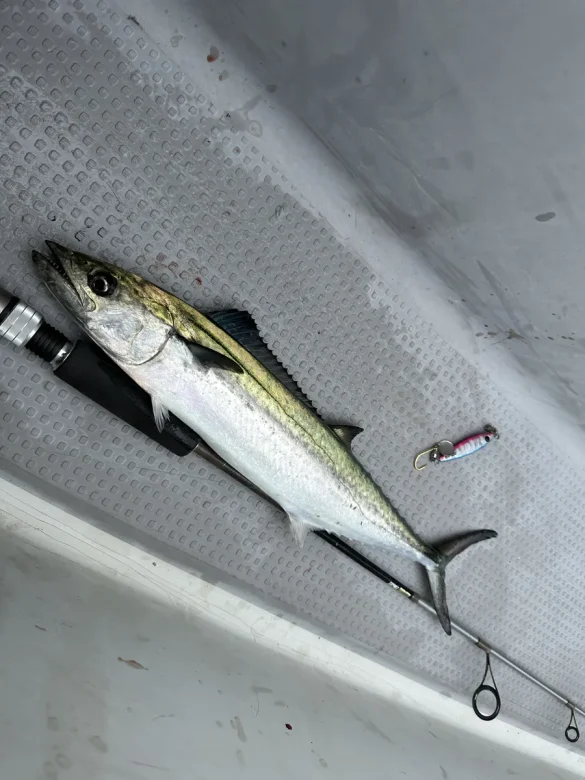
So the plan for your next session is short enough to remember on the drive down: learn the rhythm, watch your line, and change actions when the bite goes quiet. Match the action to a jig and rod that suit it, put your hours in, and you’ll start to feel why Japanese jiggers talk about this stuff like a language.
It all comes back to one idea: control the fall. The one-pitch jerk searches and covers water, slow pitch and high pitch flutter a jig in front of deeper fish, and long fall offers the longest, most natural drop of all. Once it’s in your hands, it stops being theory and just becomes how you fish. Here’s more Japanese-style fishing adapted for Australian waters to take you further.