Best Japanese Egi (Squid Jigs): Yamashita vs Daiwa vs Yo-Zuri
ちゃんま
マイボ!

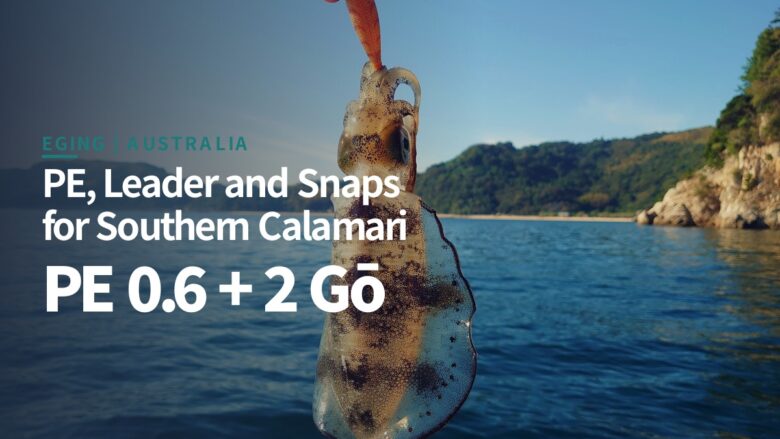
Squid don’t run, don’t jump and don’t test your drag. So it’s easy to assume the line is the one part of an eging outfit you can just grab off the shelf. Then you fish a session where the calamari keep coming up on the jig and letting go, and you realise the line system is doing almost all of the talking: the whole game is feeling a weightless take on a slack line and darting a jig you can’t see. Braid diameter, leader stiffness and the shape of the clip on the nose of the egi all sit in that conversation.
The catch for anyone shopping Japanese tackle from Australia is that none of it is labelled in a way you can read at a glance. PE braid and fluorocarbon leader are both sold in gō (号), a Japanese numbering system, and the number on the spool is a thickness class, not a breaking strain. Two spools both marked 0.8 gō can be rated six pounds apart. This guide sets out what the numbers mean, then goes through real model numbers with the ratings and prices the makers actually publish.
Timing and links: southern calamari (Sepioteuthis australis) fire through spring in most southern states, so the September to November window is worth spooling up for now. JDM-focused lines and leaders link to Amazon Japan, which ships internationally. Ships internationally from Amazon Japan – check availability and shipping cost at checkout. Orders over A$59 may qualify for free international delivery. Globally distributed items also link to Amazon.com with international shipping to Australia. Prices are shown in JPY (tax excluded) with approximate AUD conversion at the time of writing, at roughly ¥1 = A$0.0090 (August 2026). Check your local state regulations for current squid size and bag limits.
For PE braid, gō is a denier class. Japan’s line makers publish a shared standard where 1 gō equals 200 denier, and every other size scales from there. Sunline prints the full table on its product pages. Nothing in that standard says anything about strength, which is why the same 0.8 gō can be rated 12 lb by one maker and 18.5 lb by another, depending on the fibre and the braid.
| PE gō | Standard denier | Where it fits in eging |
|---|---|---|
| 0.4 | 80 d | Calm, clear, light egi; maximum distance and feel |
| 0.5 | 100 d | Open sand and light weed; a fine all-round finesse choice |
| 0.6 | 120 d | The everyday size for jetties, breakwalls and ribbon weed |
| 0.8 | 160 d | Kelp, rock ledges, wind and #3.5 jigs |
| 1.0 | 200 d | Heavy cover or when you fully expect to pull jigs free |
Fluorocarbon works differently. There, gō maps to a published diameter: 1.5 gō is 0.205 mm, 1.75 gō is 0.220 mm, 2 gō is 0.235 mm, 2.5 gō is 0.260 mm and 3 gō is 0.285 mm. Strength still varies by product, but at least the diameter is fixed across the industry, so a 2 gō leader from any Japanese maker is the same thickness.
| What you’re fishing | PE | Leader | Leader length |
|---|---|---|---|
| Sand flats, ribbon weed, calm jetty | 0.5–0.6 gō | 1.75–2 gō (7–10 lb) | Around 1 rod length |
| Breakwalls, mixed reef, moderate wind | 0.6 gō | 2–2.5 gō (8–11 lb) | 1 to 1.5 rod lengths |
| Thick kelp, rock ledges, big spring squid | 0.8 gō | 2.5–3 gō (11–14 lb) | 1.5 rod lengths |
One habit worth copying: leader length in Japan is measured in rod lengths, not metres. A rod length of leader means the knot sits just inside the tip when the jig hangs ready to cast, which keeps the join out of the guides on the cast and still gives you enough abrasion buffer through the weed. If you’re still choosing the rod itself, our guide to JDM egi rods covers the lengths that suit Australian shorelines.
Eging braid is its own category in Japan. It’s built thin, low stretch and heavily marked, because the fishing depends on counting the jig down and reading a line that goes slack. Here’s what the four main eging-specific spools are running under the coating. One caveat before the numbers: Shimano and Duel quote a maximum breaking strain, Daiwa quotes an average and Sunline prints both, so a bigger figure on the spool isn’t automatically a stronger line.
| Line | Braid | Fibre and finish | Marking |
|---|---|---|---|
| Shimano Sephia 8+ | 8 | IZANAS fibre, Tough Cross 2 weave, Heat Sink silicone coating | 10 m × 5 colours |
| Daiwa UVF Emeraldas Durasensor ×8 LD +Si2 | 8 | TOUGH PE fibre, UVF compaction, Evo Silicone 2 | 10 m × 5 colours |
| Duel Hardcore X8 Eging | 8 | Micro Pitch Braided ultra PE, specific gravity 0.97 | Solid milky orange or 10 m × 3 colours |
| Sunline Saltimate PE Egista 8 | 8 | HQ-PE, round smooth braid tuned for guide friction | 10 m × 3 colours plus 2.5 m sub-marks |
If you want the most breaking strain per gō on paper, this is it. Shimano rates its 0.8 at 18.5 lb, where the other three sit between 12 and 16 lb for the same thickness class. That comes from the Tough Cross 2 weave, which Shimano describes as flattening and straightening the braid surface for more uniform strength and lower stretch. In practice the useful part is that you can drop a gō size and keep the strength you had, which buys distance on a headwind day.
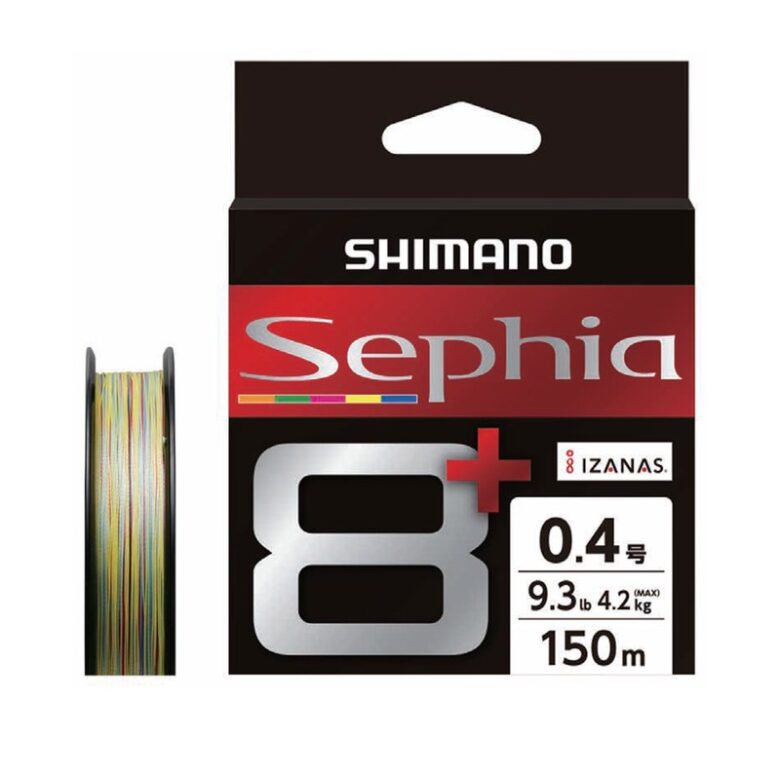
| Product code | Gō | Max strength | Length | Price (excl. tax) |
|---|---|---|---|---|
| LD-E51T | 0.4 | 9.3 lb / 4.2 kg | 150 m | ¥2,950 (~A$27) |
| 0.5 | 12.2 lb / 5.5 kg | 150 m | ¥2,950 (~A$27) | |
| 0.6 | 14.8 lb / 6.7 kg | 150 m | ¥2,950 (~A$27) | |
| 0.8 | 18.5 lb / 8.4 kg | 150 m | ¥2,950 (~A$27) | |
| LD-E61T | 0.4–0.8 | Same as above | 200 m | ¥3,600 (~A$32) |
Daiwa took the opposite angle. The published strengths are the most conservative of the four, but the pitch is abrasion: TOUGH PE fibre combined with the Evo Silicone 2 treatment, which Daiwa states lifts abrasion resistance by over 300 per cent against its own previous line. For Australian eging that matters more than it sounds, because most of our better calamari ground is kelp over rock, and a braid that frays where it kisses the ledge is a braid you’ll be re-tying all morning.
The LD in the name means long distance, and it’s the reason this one is only sold in 200 m, so it costs more per spool than the rest. On a 2500-size reel that’s two fills, or one fill with a healthy backing reserve for the season.
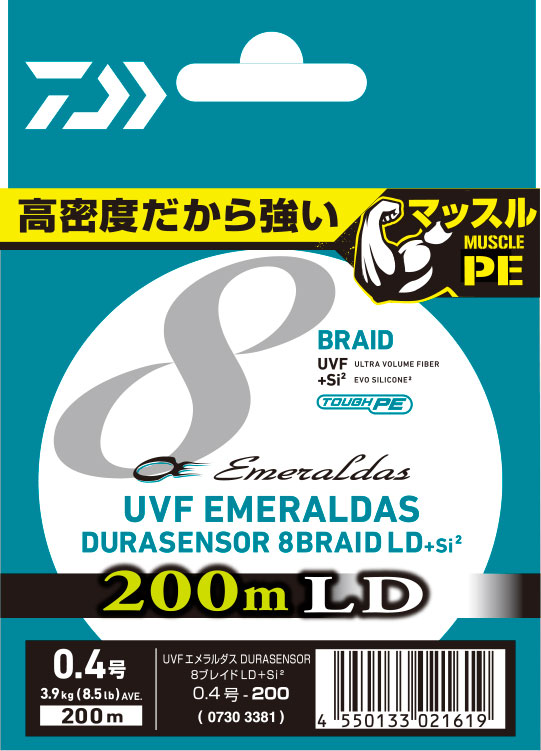
| Gō | Strength | Length | Colours | RRP (excl. tax) |
|---|---|---|---|---|
| 0.4 | 8.5 lb / 3.9 kg | 200 m | 5C | ¥3,700 (~A$33) |
| 0.5 | 9.0 lb / 4.1 kg | 200 m | 5C | ¥3,700 (~A$33) |
| 0.6 | 11 lb / 4.9 kg | 200 m | 5C | ¥3,100 (~A$28) |
| 0.8 | 15 lb / 6.8 kg | 200 m | 5C | ¥3,100 (~A$28) |
Duel keeps the eging version of Hardcore X8 to two sizes, 0.6 and 0.8, which tells you where the company thinks the fishing sits. It’s an open price line, so it typically lands well under the Shimano and Daiwa spools, and the max ratings of 13 lb and 16 lb are competitive. Duel also does something the others don’t: it publishes standard diameter, 0.132 mm for the 0.6 and 0.153 mm for the 0.8, plus a specific gravity of 0.97. Being able to compare actual millimetres instead of gō classes is genuinely useful when you’re buying blind from overseas.

| Order no. | Gō | Max strength | Diameter | Colour |
|---|---|---|---|---|
| H3299 | 0.6 | 13 lb / 5.8 kg | 0.132 mm | Milky orange |
| H3300 | 0.8 | 16 lb / 7.0 kg | 0.153 mm | Milky orange |
| H3303 | 0.6 | 13 lb / 5.8 kg | 0.132 mm | 10 m × 3 colour |
| H3304 | 0.8 | 16 lb / 7.0 kg | 0.153 mm | 10 m × 3 colour |
Sunline is the only one of the four that publishes an average strength alongside the maximum, and the gap is instructive: the 0.8 averages 11 lb against a 12 lb max. Take that as a reminder that the big numbers on the other spools are peak figures too. The other Sunline touch is the marking. On top of the usual 10 m × 3 colours it adds a sub-mark every 2.5 m, so you can read cast distance and count a jig down more precisely than the standard scheme allows. It’s an open price line and 150 m only, with no 200 m option.
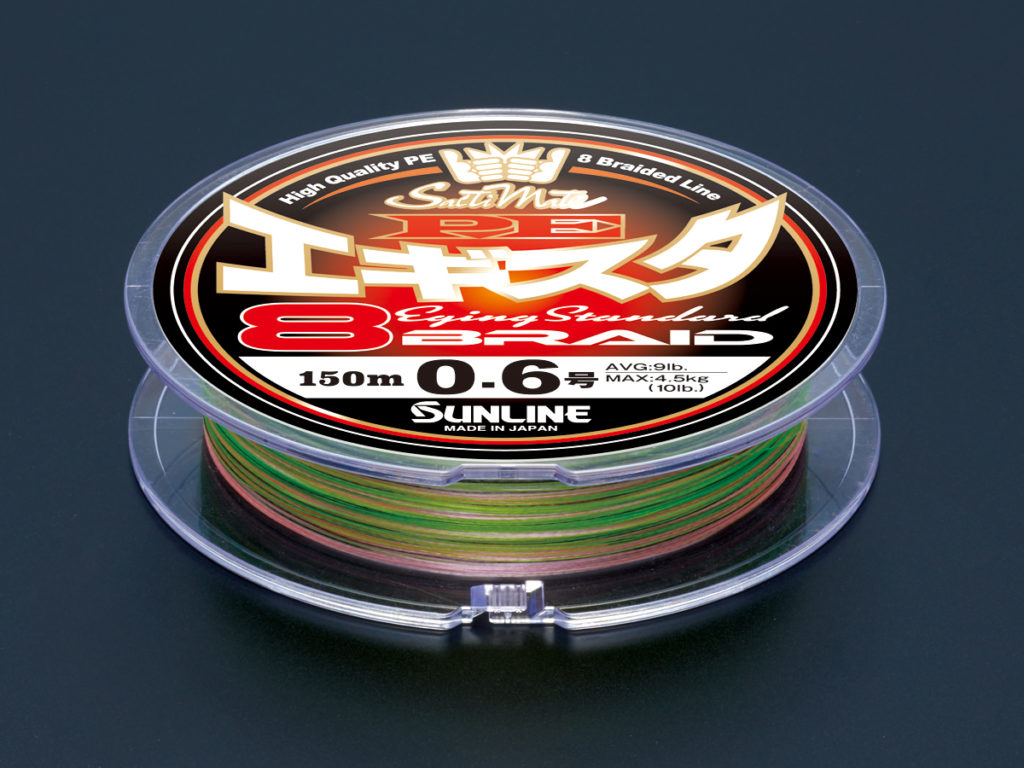
| Gō | Average strength | Max strength | Length |
|---|---|---|---|
| 0.4 | 5 lb | 6 lb / 2.7 kg | 150 m |
| 0.5 | 7 lb | 8 lb / 3.6 kg | 150 m |
| 0.6 | 9 lb | 10 lb / 4.5 kg | 150 m |
| 0.8 | 11 lb | 12 lb / 5.5 kg | 150 m |
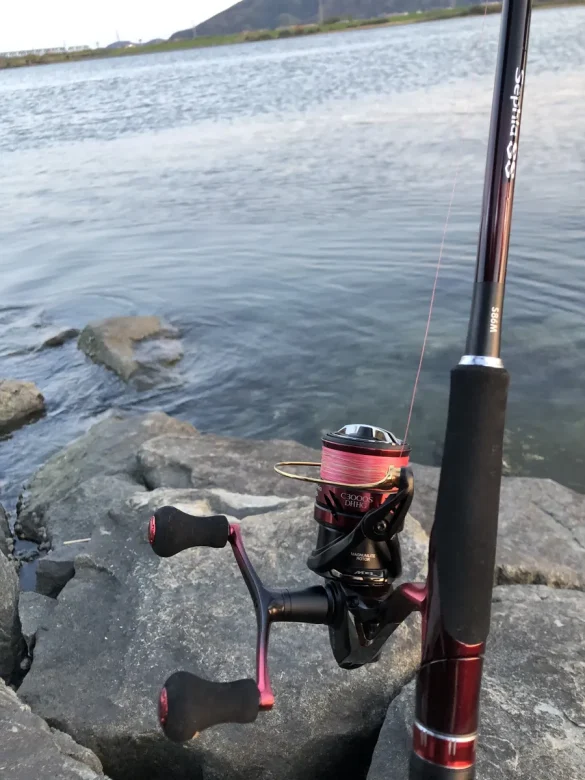
Leader choice for eging is a smaller decision than braid, but it’s the one most easily got wrong from a distance, because Australian shops sell leader in pounds and Japanese shops sell it in gō. The mapping is not intuitive: a 2 gō leader is roughly 8 to 10 lb depending on brand, which sounds light next to the 20 lb monofilament plenty of people use for squid off the rocks. It’s deliberate. Heavy leader kills the dart, and the dart is what triggers the take.
Three eging-specific fluorocarbons cover the range. All are sold on 30 m spools, which is enough for a season of re-tying, and all sit at a specific gravity around 1.78 so they sink with the jig rather than bellying above it.
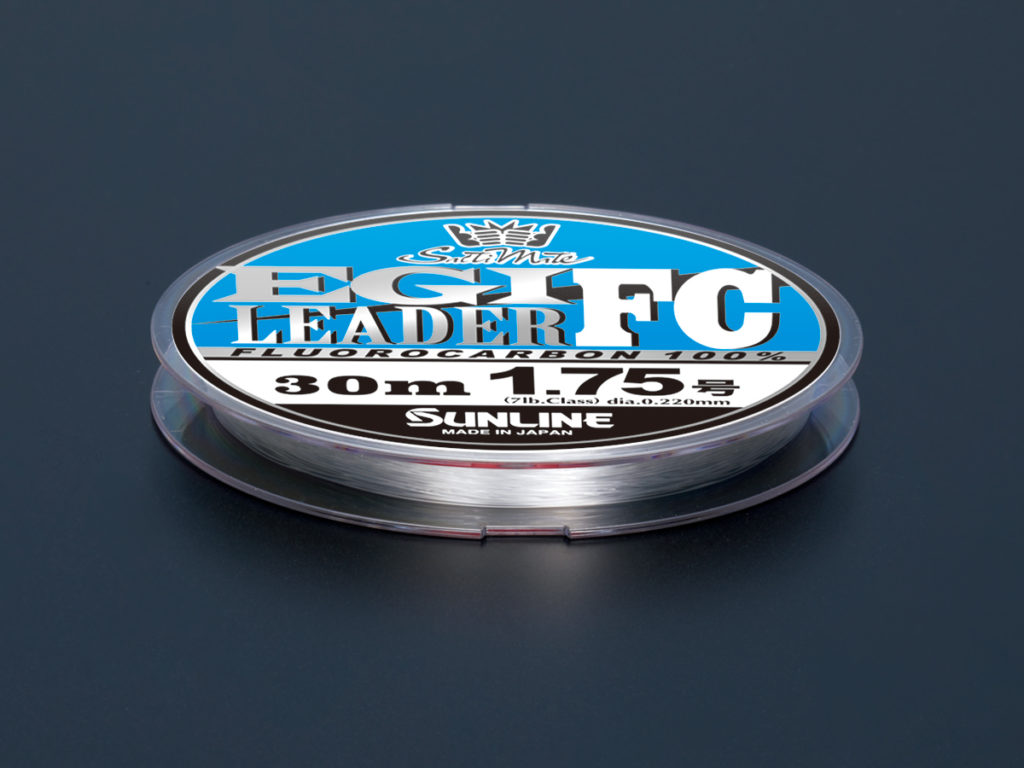
| Gō | Diameter | Sunline Egi Leader FC | Shimano Sephia Fluoro Leader | Sunline Egi Leader FC HARD |
|---|---|---|---|---|
| 1.5 | 0.205 mm | 6 lb | 7 lb / 3.2 kg | Available |
| 1.75 | 0.220 mm | 7 lb | 8 lb / 3.6 kg | Available |
| 2 | 0.235 mm | 8 lb | 10 lb / 4.5 kg | Available |
| 2.5 | 0.260 mm | 10 lb | 11 lb / 5.1 kg | Available |
| 3 | 0.285 mm | 12 lb | 14 lb / 6.2 kg | Available |
| 3.5–4 | 0.310–0.330 mm | – | – | Available |
| Leader | Surface treatment | Stiffness | Price (excl. tax) |
|---|---|---|---|
| Sunline Egi Leader FC | Triple Resin Processing, three-layer coat | Standard, low stretch | Open price |
| Shimano Sephia Fluoro Leader | EX Fluoro base, Hyper Repel silicone | Stiffest of the three, tuned for jig lift | ¥1,130 (~A$10) |
| Sunline Egi Leader FC HARD | Plasma Rise hard polymer skin | Hard surface, low initial stretch | ¥1,900 (~A$17) |
The standard Sunline Egi Leader FC is the plain, cheap, open price one, finished with Sunline’s triple resin coating for knot quality. The Shimano Sephia Fluoro Leader costs ¥1,130 (~A$10) and is the stiffest of the three by design; Shimano calls the tuning gekikire and says the point is to keep the jig’s jump crisp, which suits anglers who work a jig hard. Both are worth having.
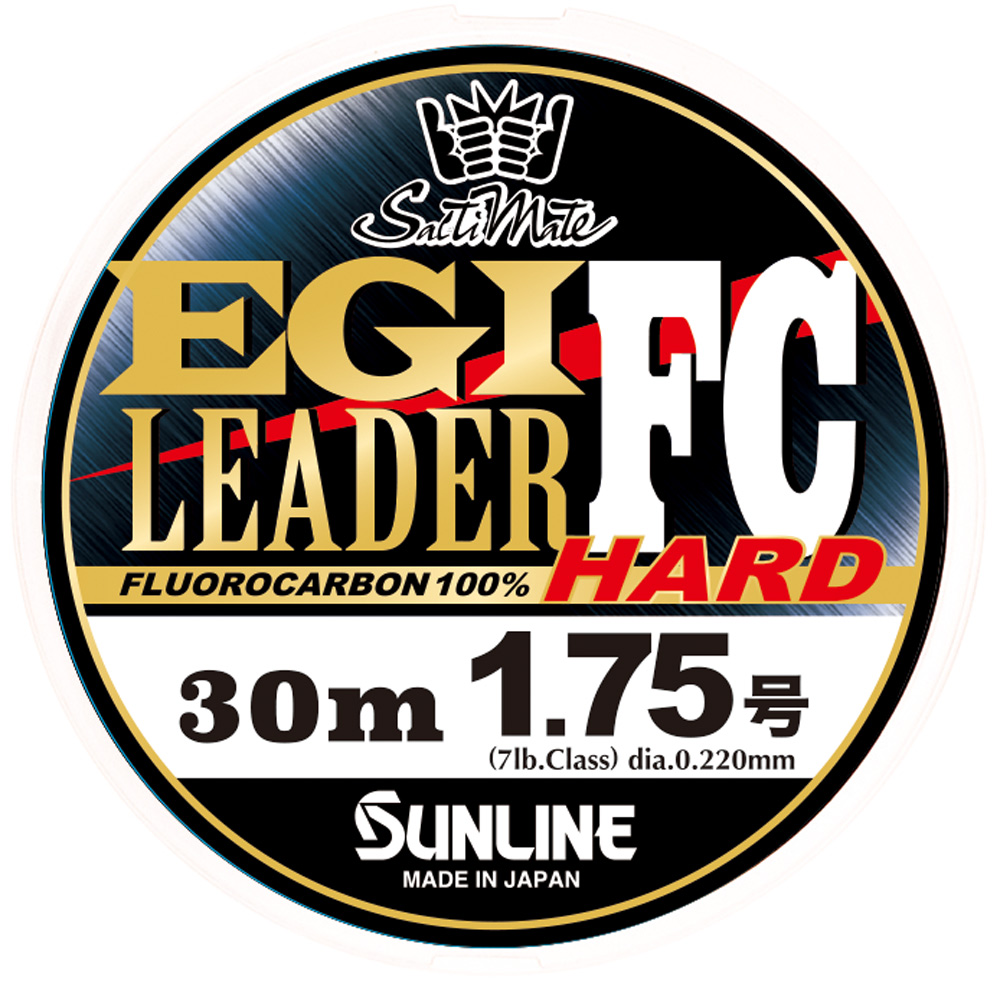
The Egi Leader FC HARD is the interesting one for Australian kelp. Sunline treats the surface with its Plasma Rise process, forming a glass-hard polymer skin so scuffs bounce off rather than bite in, and it runs the range up to 4 gō. At ¥1,900 (~A$17) it’s the dearest of the three, and Sunline doesn’t publish breaking strains for it at all, which is an odd gap on an otherwise thorough spec page. Buy it for the abrasion, not for a number.
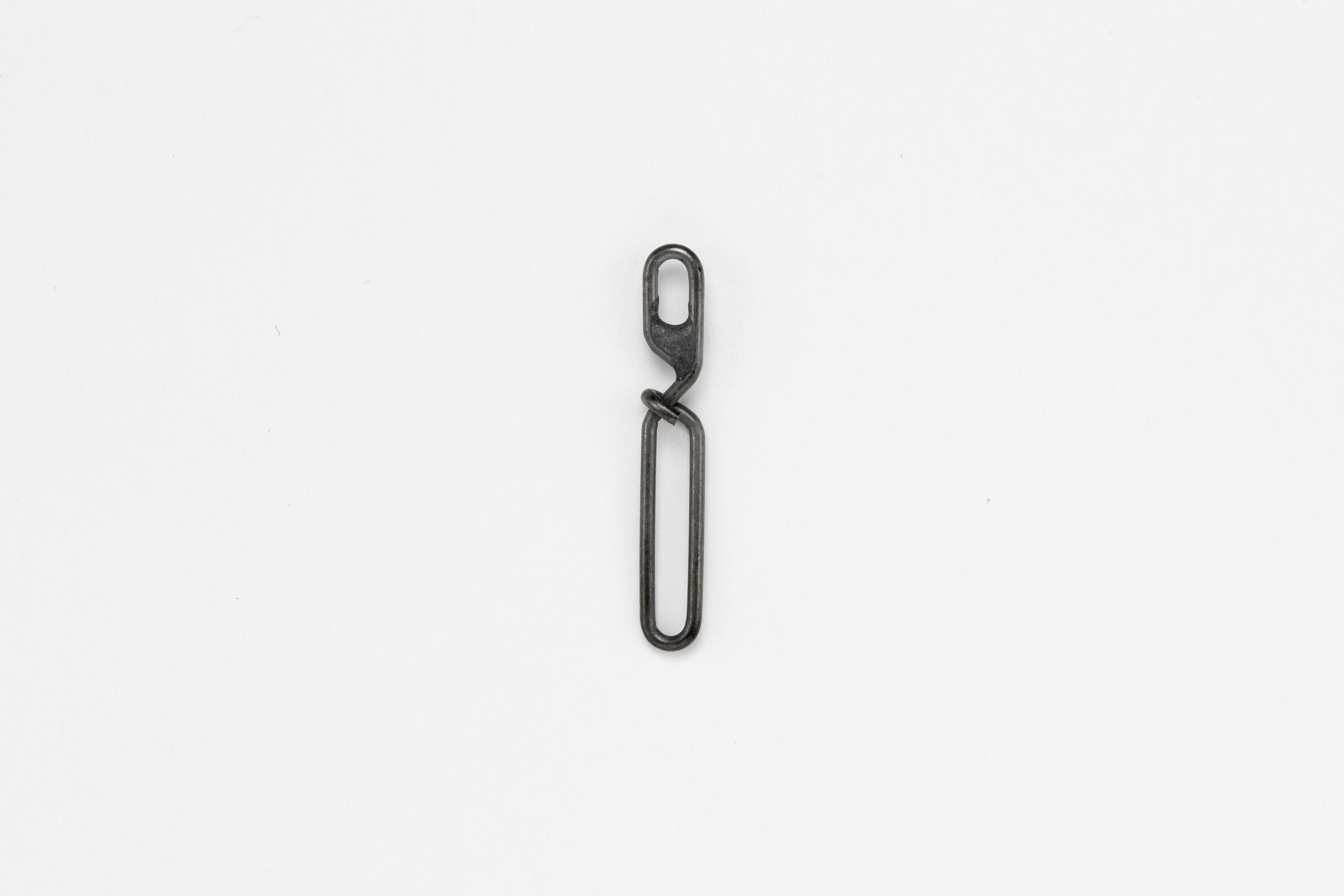
Tying straight to the egi works, and plenty of Australian squid anglers do it. But you’ll change jigs a dozen times in a session once you start reading the water properly, and a snap is what makes that painless. Not any snap, though. A round lure clip lets the nose of the egi swing on the pause, and an egi that swings won’t dart. Japanese eging snaps are shaped to stop exactly that.
| Snap | Sizes and published strength | Pack | Price (excl. tax) |
|---|---|---|---|
| Yamashita Egi-Oh Egging Snap | M 18.1 kg, L 40.8 kg | 12 or 36 | Open price |
| Yamashita Egi-Oh TR Snap | S 11 kg, M 17 kg | Per packet | Open price |
| Decoy SN-16 Slim Snap | #1 30 lb, #2 50 lb | 6 | ¥300 (~A$2.70) |
| Snap | Construction | Shape feature | Best for |
|---|---|---|---|
| Yamashita Egi-Oh Egging Snap | Formed wire with snap keeper | Symmetrical oval, rounded tip | Shore eging, the default choice |
| Yamashita Egi-Oh TR Snap | Bare wire, no extra parts | Straight point for tight jig eyes | Tip run and awkward line eyes |
| Decoy SN-16 Slim Snap | High-hardness SUS, soldered eye | Slim and long, sheds weed | Weedy ground and toothy by-catch |
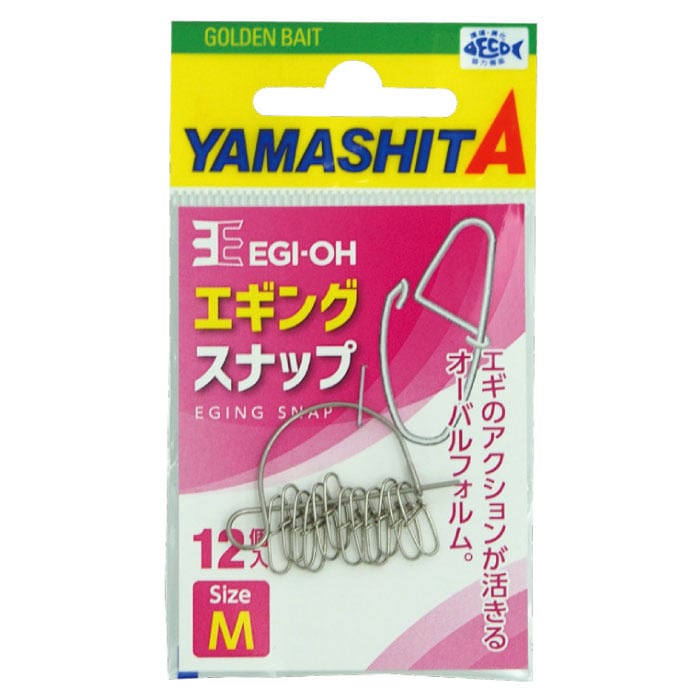
Yamashita’s oval shape is the one you’ll see on most Japanese egi rods. The symmetry cuts water resistance and stops weed fragments hooking up on the clip, and the rounded tip keeps the jig’s nose tracking straight through the dart. Size M is the shore-eging default. Size L at 40.8 kg is enormous overkill for calamari, so save it for the days you expect a kingfish to grab the jig. The little snap keeper clipped to the packet sounds like a gimmick until you drop one in the dark.
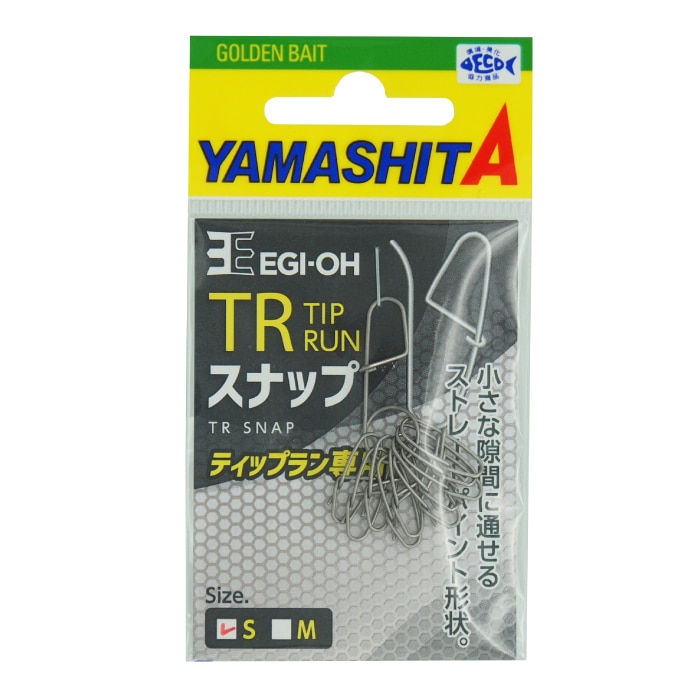
The TR Snap strips the design back to bare wire with a straight point, which was Yamashita’s answer to a specific complaint: some egi have a line eye too tight to accept a conventional snap. It’s sold for tip-run eging from a drifting boat, where the reduced bulk helps the jig sit stable, but it earns its place in a shore box for the same fit reason. At 11 kg and 17 kg it’s the lightest of the three.
The Decoy SN-16 comes at it from a different direction. Katsuichi built it long and slim to shed weed and rubbish, and lists egi among the intended applications alongside jig heads and tenya. That extra length also puts a bit of steel between your leader and anything with teeth, which matters on the east coast where tailor and salmon will happily eat a squid jig. It’s the cheapest of the three at ¥300 (~A$2.70) for six.
Our own eging is done in Japan, mostly off breakwalls and small harbour piers, and the setup has drifted towards the same thing every season: 0.6 gō braid on a 2500 reel, a rod length and a half of 2 gō fluorocarbon, an FG knot, and an oval snap. The one part we’re fussy about is the knot. We tie the FG at home with clean hands and good light, then carry a spare pre-tied leader wound on a foam holder, because retying at the water’s edge at 5 am is how a season’s worth of good knots turn into one bad one.
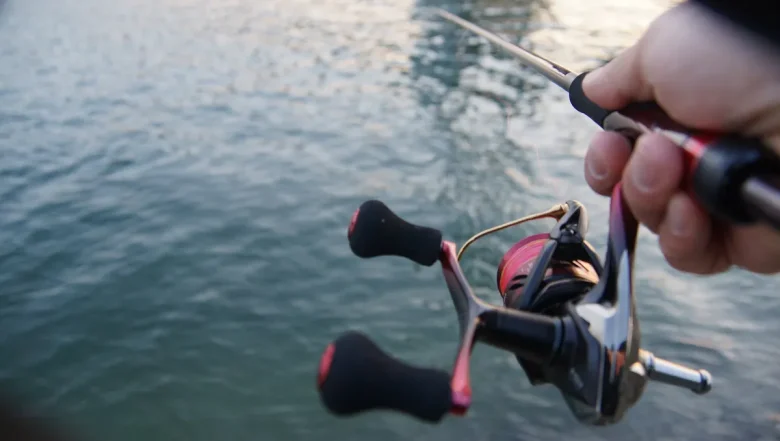
The other habit is to check the last metre of braid by running it between finger and thumb after every few casts near structure. Braid that’s gone slightly furry has lost strength you can’t see, and it’s cheaper to cut it back and re-tie than to lose a jig and a squid. That’s a Japanese jetty habit rather than an Australian one, but the ribbon weed and rock our calamari live in makes the same argument.
Everything above on one page, with the sizes an Australian squid angler actually reaches for.
| Item | Type | Key size | Rating | Price (excl. tax) |
|---|---|---|---|---|
| Shimano Sephia 8+ | PE braid | 0.6 gō / 150 m | 14.8 lb max | ¥2,950 (~A$27) |
| Daiwa Emeraldas Durasensor ×8 LD +Si2 | PE braid | 0.6 gō / 200 m | 11 lb | ¥3,100 (~A$28) |
| Duel Hardcore X8 Eging | PE braid | 0.6 gō / 150 m | 13 lb max, 0.132 mm | Open price |
| Sunline PE Egista 8 | PE braid | 0.6 gō / 150 m | 9 lb avg, 10 lb max | Open price |
| Sunline Egi Leader FC | Fluoro leader | 2 gō / 30 m | 8 lb, 0.235 mm | Open price |
| Shimano Sephia Fluoro Leader | Fluoro leader | 2 gō / 30 m | 10 lb, 0.235 mm | ¥1,130 (~A$10) |
| Sunline Egi Leader FC HARD | Fluoro leader | 2.5 gō / 30 m | 0.260 mm, Plasma Rise | ¥1,900 (~A$17) |
| Yamashita Egi-Oh Egging Snap | Snap | Size M | 18.1 kg | Open price |
| Yamashita Egi-Oh TR Snap | Snap | Size M | 17 kg | Open price |
| Decoy SN-16 Slim Snap | Snap | #1 | 30 lb | ¥300 (~A$2.70) |
A full eging line system is three purchases, and the total lands somewhere between about A$45 and A$75 before shipping. Here’s how we’d spend at each level.
Under A$45: Duel Hardcore X8 Eging 0.6 + Sunline Egi Leader FC 2 gō + Decoy SN-16 #1
Three open price or ¥300 items that still give you a proper eight-carrier eging braid, a sinking fluoro leader in the right diameter and a snap that won’t kill the dart. The Duel is the only line here that publishes actual diameter, which takes some guesswork out of buying from overseas.
Around A$55: Shimano Sephia 8+ 0.6 + Sephia Fluoro Leader 2 gō + Yamashita Egi-Oh Snap M
¥2,950 (~A$27) for the braid and ¥1,130 (~A$10) for the leader buys the highest published strength per gō and the stiffest of the three leaders, which is the combination that keeps a jig darting sharply. Pair it with the oval Yamashita snap and the whole front end is doing the same job.
Around A$75: Daiwa Emeraldas Durasensor 0.8 + Sunline Egi Leader FC HARD 2.5 gō + Yamashita Egi-Oh Snap M
The kelp-and-rock build. Daiwa’s Evo Silicone 2 treatment and Sunline’s Plasma Rise surface are both aimed squarely at abrasion, and 200 m of braid at ¥3,100 (~A$28) means you can cut back a frayed metre without watching the spool shrink. Spend here if your best calamari ground is the ground that eats jigs.
If you fish sand, ribbon weed and jetties, take 0.6 gō braid and a 2 gō leader and stop thinking about it. The choice between the four braids then comes down to what you value: Shimano for the highest rating per thickness, Daiwa for abrasion and a 200 m spool, Duel for price and published diameter, Sunline for honest average ratings and finer marking.
If your calamari live in kelp over rock, go up: 0.8 gō braid, 2.5 gō leader, and pick the abrasion-focused options. And whichever you buy, spend the extra few dollars on a proper eging snap. It’s the cheapest part of the setup and the one that most directly changes how the jig moves.
PE 0.6 gō covers most Australian shore eging, from jetties and breakwalls to sand flats and ribbon weed. Drop to 0.5 gō in calm, clear, heavily fished water where distance and feel matter most, and step up to 0.8 gō when you’re fishing thick kelp or rock ledges and expect to pull jigs free. Gō is a thickness class rather than a strength rating, so check each maker’s published breaking strain: 0.6 gō ranges from about 10 lb to 14.8 lb depending on brand.
One to one and a half rod lengths of fluorocarbon in 1.75 to 2.5 gō, which is roughly 7 to 11 lb. That length keeps the braid-to-leader knot out of the guides on the cast while still giving abrasion protection through weed. Heavier leader is tempting off the rocks, but it stiffens the connection and blunts the egi’s dart, which is what triggers the take in the first place.
You can tie direct, and many anglers do. But a round lure clip lets the nose of the egi swing on the pause, which softens the dart. Eging snaps such as the Yamashita Egi-Oh Egging Snap use a symmetrical oval with a rounded tip so the jig tracks straight, sheds weed and still swaps out in seconds. At a few dollars a packet it’s the cheapest meaningful upgrade in the whole system.
For the rest of the setup, start with our complete guide to eging in Australia, then match this line system to the best Japanese egi, work out which size and colour to tie on, and pair it all with a light JDM eging reel.
Line, leader and snap specifications are taken from the makers’ official product information (Shimano, Daiwa, Duel, Sunline, Yamashita and Katsuichi). Gō denier and diameter standards follow the Japanese line standards published by Sunline. Prices are manufacturer suggested prices excluding Japanese consumption tax, with approximate AUD conversion at roughly ¥1 = A$0.0090 at the time of writing; open price items have no published RRP. Affiliate links may earn us a commission at no extra cost to you. Always check your local state fishing regulations for current squid size and bag limits.