Best JDM Area Trout Reels: Daiwa 25 Iprimi vs Shimano 26 Vanquish CE, and Is the New US Iprimi LT the Same Reel?
ちゃんま
マイボ!

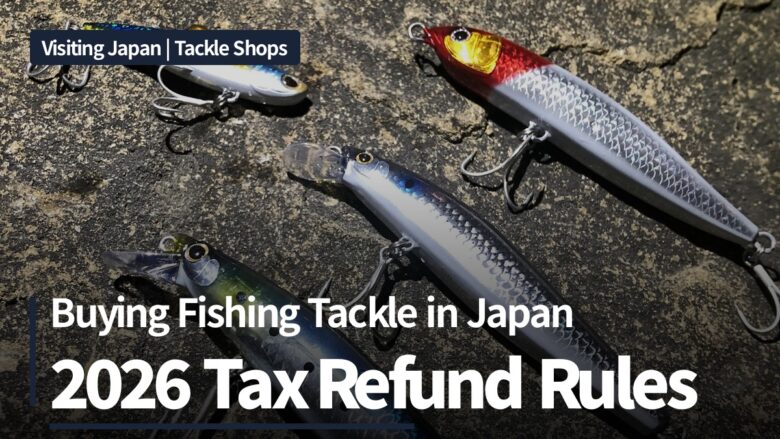
Japanese tackle shops are a trip in themselves: whole walls of jigs in one weight class, reels you’ve only seen in videos, a rack of rods that never get an export version. It’s easy to come for one day on a boat and leave with a reel in your carry-on. For anything bought from November 1, 2026, the consumption tax on that reel is refunded only after customs checks it on your way out, and that system has a catch that hits anglers harder than most shoppers.
For licenses, party boats and what you’re allowed to catch, start with how to go fishing in Japan as a visitor.
Four formats cover almost everything a visitor will walk into. They overlap, and plenty of shops are a bit of two, but knowing which one you’re in tells you what to ask for.
Japan has several national tackle chains, and their larger branches are warehouse-sized. Rods are grouped by fishing style, reels sit behind glass by brand, and the terminal tackle aisle is where an afternoon disappears: hooks, sinkers, leaders and rigs for species and methods you won’t find at home. Many of these stores sell used tackle in a corner of the same floor. They’re also where you’re most likely to find a tax-free counter, though that depends on the branch, not the chain.
The shop by the harbor or the station closest to the sea sells live and frozen bait, ice, the local rigs and sinkers in the weights the boats ask for. Some open before dawn for anglers on their way out. Stock is thin on high-end rods and reels, but this is the counter where someone knows what has been biting this week. A translation app and a photo of the fish you want go a long way.
Second-hand tackle is a big business in Japan. Dedicated used-tackle stores buy gear in from anglers and resell it, usually graded by condition, and the reel cases can hold three generations of the same model side by side. Prices sit below new, and older or discontinued models that no export shop carries turn up here. Look closely at what you’re paying for: check the handle turns smoothly, the drag releases evenly and the spool has no deep scratches on the lip.
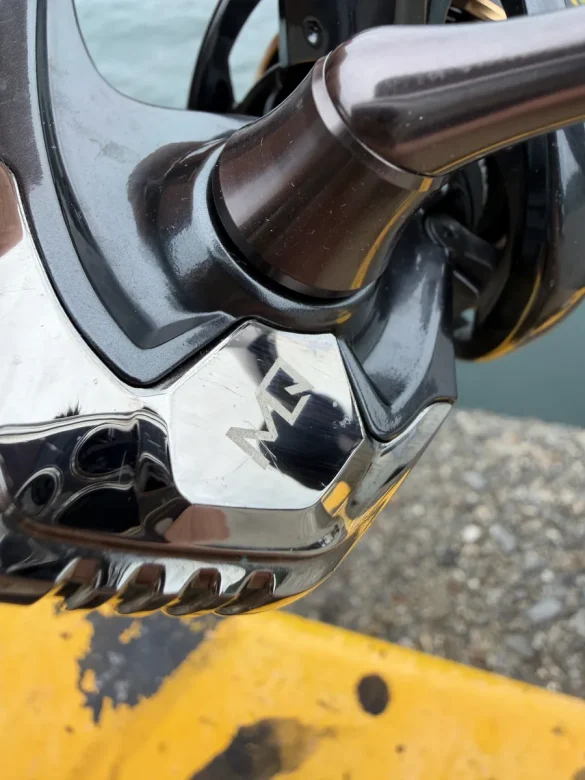
Smaller independent shops built around one kind of fishing: bass, trout, offshore jigging, squid. Selection is narrow and deep, and the staff fish what they sell. If you already know you want a specific Japanese rod in a specific power, this is often where it’s actually in stock.
| Shop type | Best for | Tax-free? | Bring |
|---|---|---|---|
| Big-box tackle store | Rods, reels, terminal tackle in bulk | Some branches | Passport, model codes saved on your phone |
| Harbor bait-and-tackle shop | Bait, ice, local rigs, sinkers for the boat | Rarely the point; small purchases | Cash, a photo of the target fish |
| Used-tackle store | Older and discontinued models, lower prices | Some stores | Time to inspect each item |
| Specialist pro shop | One style of fishing, in depth | Varies | The exact model and power you want |
Yes, at shops licensed as tax-free shops. Rods, reels, lures and line aren’t on the excluded list, which covers gold and platinum bullion and coins and goods that aren’t subject to consumption tax in the first place. The minimum is ¥5,000 before tax, per store, per day, and you show your passport at the register. You can only buy what you can personally carry out of Japan when you leave.
Japan’s standard consumption tax rate is 10%, of which 7.8% is national and 2.2% is local. The reduced 8% rate covers food and drink other than alcohol and eating out, plus newspaper subscriptions, so tackle sits at the full 10%. Price tags in Japan have had to show the tax-inclusive total since April 1, 2021, on shelf labels, in-store displays and online. A reel tagged ¥33,000 is ¥30,000 plus ¥3,000 tax, and the ¥30,000 is the figure that counts toward the ¥5,000 minimum.
Purchases made up to October 31, 2026 fall under the old system, where the tax comes off at the till: you pay the tax-free price and walk out. Purchases from November 1, 2026 fall under a refund method: you pay the full tax-inclusive price in the shop, customs confirms at departure that the goods are leaving the country, and only then is the tax refunded. The National Tax Agency says there’s no transition period where both systems run side by side.
Some of the old fine print goes away at the same time. The split between general goods and consumables is abolished, so one ¥5,000 minimum applies to everything. The ¥500,000 ceiling on consumables is gone, and so is the sealed special packaging that consumables used to come in.
| Bought by Oct 31, 2026 | Bought from Nov 1, 2026 | |
|---|---|---|
| What you pay in the shop | Tax-free price | Full price, tax included |
| When the tax comes back | Never charged | After customs confirms export |
| Minimum purchase | ¥5,000 general goods; ¥5,000 to ¥500,000 consumables | ¥5,000 before tax, any mix of goods |
| Who pays the refund | Not applicable | The shop, or a refund company it uses |
How the money reaches you is up to the shop. The tax agency lists bank transfer, a refund to a credit card, payment through an app and cash at the departure port as possible methods, and the tourism agency tells travelers to ask the shop. So ask at the counter, before you pay, how they refund and when.
Customs has to confirm the goods within 90 days of purchase. The count starts the day after you buy, so something bought on November 1 has to be confirmed by January 30 of the following year. Do it at your final departure airport or port, and do it before you check in your bags. The tax agency’s notice for travelers says confirmation can’t be done once the goods are in checked baggage.
That order matters more for anglers than for anyone else. A rod tube or a boxed reel you plan to check in has to be with you at the kiosk, because a red result means showing it. Leave time: JNTO’s guide is blunt that customs and airlines won’t compensate a flight missed because of the procedure. And if goods that passed customs end up staying in Japan, the exempted tax can be collected along with a penalty.
This is the catch. Customs looks at each purchase record, which is one receipt, as a unit, and if any item on a receipt is missing, nothing on that receipt qualifies. Buy a reel and a bag of jigs together, lose two jigs on the boat, and the reel’s refund goes with them.
The tourism agency adds that consumables such as food, drink and cosmetics used up in Japan aren’t eligible, and that if you’ve used up some of the goods before leaving, you shouldn’t go through the kiosk at all. You report them to a customs officer at the counter instead.
The practical answer is to keep the two kinds of shopping apart. Put the reel or rod going home on its own tax-free receipt, and buy the hooks, sinkers, jigs and bait you’ll actually fish with as an ordinary purchase. If you only need ¥2,000 of terminal tackle for tomorrow’s boat, it was never going to reach the ¥5,000 minimum anyway.
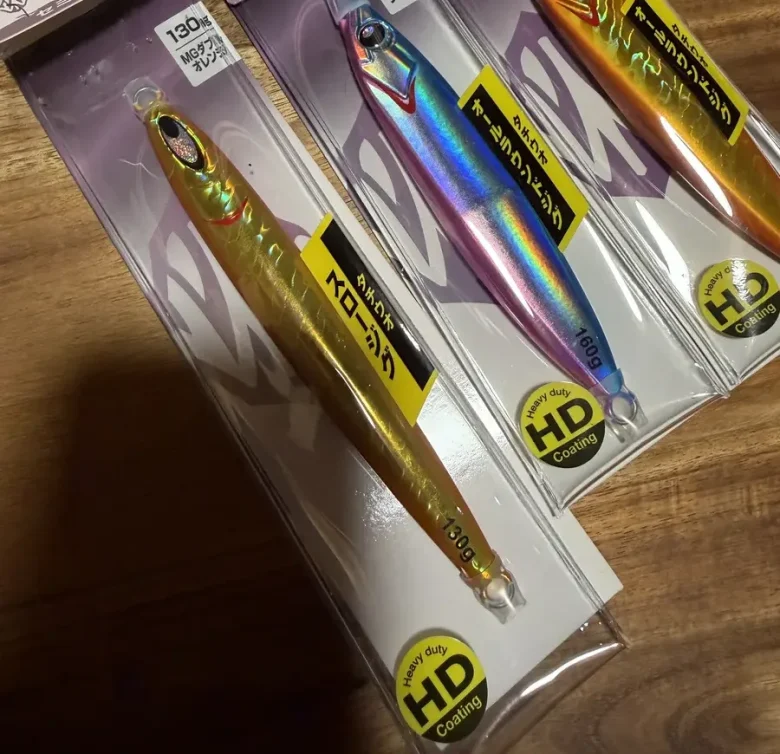
The carry-it-yourself limit is the hard edge of the tax-free system. Some tackle shops will ship overseas for you. When you sign the shipping contract with the carrier at the shop and the goods are handed to the carrier there and then, the tax agency treats the sale as an export exemption rather than a tax-free sale, so there’s no tax-free paperwork and no airport kiosk for that item. Not every shop does this, and the cost of sending a long rod tube can wipe out the tax saving, so get a shipping quote before you commit.
If the rod you want won’t fit in your luggage or your budget this trip, you don’t have to buy it in Japan at all. Buying JDM tackle from overseas compares Amazon Japan, proxy services and the tackle exporters that ship worldwide, along with the US customs side.
Japanese reels and rods share a series name across many versions, and the shelf label is usually in Japanese. Save the full model code of what you want on your phone and match it character by character. For reels, the numbers and letters after the series name encode size and gear ratio, which our guide to JDM reel size numbers decodes.
Right-hand and left-hand versions of a baitcaster are sold as separate models with separate codes, and the shop may only have one on display. If you wind with your left hand, check the code against the maker’s catalog or ask before the box goes in the bag.
Braid and leader are labelled in Japanese go numbers, with PE for braid, and lures and sinkers often in grams or go. A spool marked 1.5 isn’t 1.5 lb. Japanese PE and leader ratings has the conversion tables, which are worth opening on your phone in the aisle.
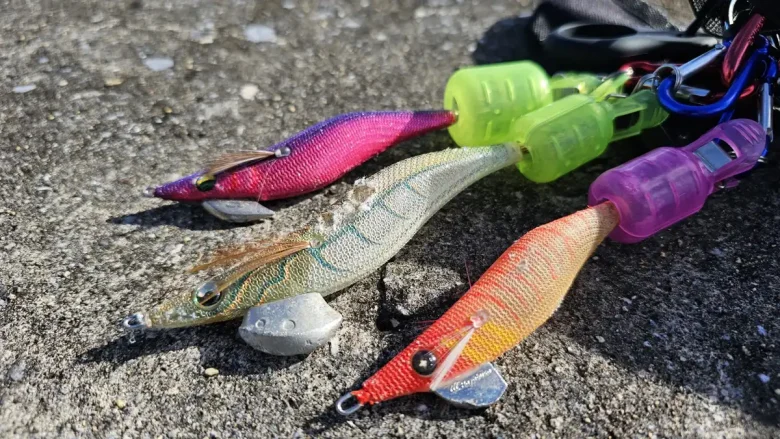
Gear made for Japanese boat fishing is built around how it’s done here, like sinker weights the boat sets. A rod rated for a method nobody practises where you live will mostly hang on the wall. If you’d rather spend less and pick by use, our budget JDM tackle picks sort current Japanese rods and reels under $120 by what you’ll fish with them.
Rules like these get revised, and shops differ in how they handle the refund. Check the Japan Tourism Agency’s tax-free pages close to your travel dates.