JDM PE Line and Leader Ratings: Gou to Pounds, Explained
ちゃんま
マイボ!

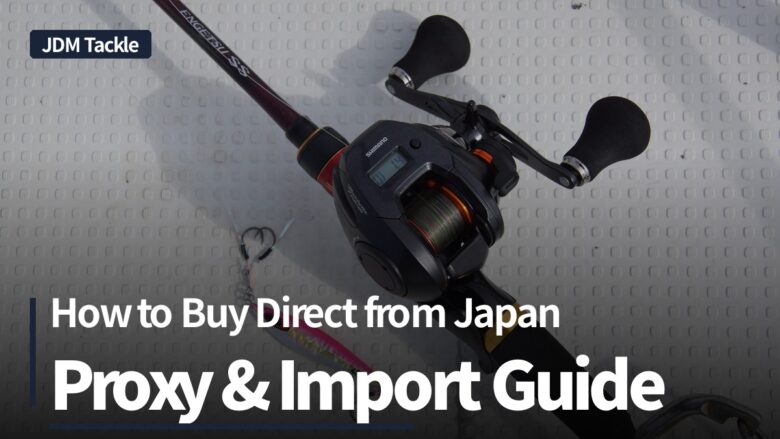
Sooner or later, everyone who falls for Japanese fishing gear runs into the same wall. The reel you’ve been reading about, the one with the depth counter and the silky drag, simply isn’t sold in your country. Local retailers have never heard of it. Marketplace listings show inflated prices and stock photos. The good news: buying tackle directly from Japan is far easier than it looks, and anglers all over the world do it every day.
This guide walks through the four practical routes: Amazon Japan’s international program, proxy shopping services, specialty tackle exporters, and the small pool of JDM gear already sold on Amazon.com. We’ll also cover shipping, tracking, insurance, and the US customs changes that took effect in 2025, because that last part trips up more buyers than anything else.
A quick note on where I’m standing. I live in Japan and fish tairaba and light jigging from my own small boat, so I buy this gear on the domestic side of the counter. I can’t promise your exact landed cost. What I can do is show you how the Japanese side of the pipeline works, which route makes sense for which purchase, and where the money quietly leaks out.
Prices in this article are shown in JPY with approximate USD conversions at roughly ¥160 to $1 (July 2026). Fees, shipping rates, and customs rules change often, so always confirm current numbers on the official pages before you order. Some links are affiliate links that support the site at no extra cost to you.
Three reasons keep coming up. The first is selection. The most interesting Japanese tackle never gets an official export version. Tairaba reels with line counters, hitotsu tenya rods, boutique metal jigs: entire categories exist here that have no US equivalent. If you’ve read our guides to the best tairaba reels or JDM hitotsu tenya rods, you’ve already seen how many of those models are Japan-only.
The second is price. Not always, and exchange rates swing this around, but Japanese street prices on JDM models often undercut what resellers ask abroad by a wide margin. The third is simply being early. New models land in Japanese shops months before any global version appears, if one ever does.
If you’re still learning the techniques themselves, start with the complete guide to tairaba fishing and come back here once you know what you want to buy. Importing is much more fun with a target.
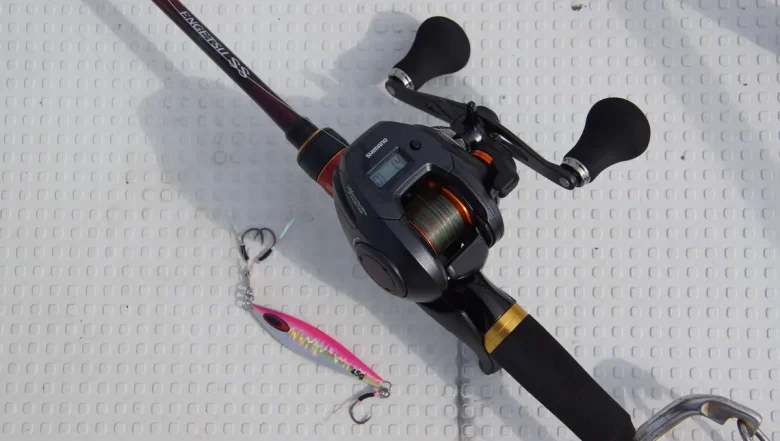
Each route has its own personality. Here’s how they actually work, with the honest trade-offs.
Amazon.co.jp is the gentlest entry point. The site runs in English, accepts foreign cards, and its AmazonGlobal program ships eligible items to more than 65 countries, including the US and Australia. Per Amazon’s own help pages, international orders collect an Import Fees Deposit at checkout: Amazon estimates your duties and taxes up front, handles customs clearance for you, and automatically refunds the difference if the actual charges come in lower. When it works, it’s the closest thing to a domestic order. One checkout, one tracking number, duties prepaid.
The catch is coverage. Only listings flagged “International Shipping Eligible” can leave Japan, and a large share of fishing tackle is sold by third-party sellers who don’t offer export at all. Treat Amazon Japan as the place to check first rather than a guaranteed source. You can browse Amazon Japan in English here and filter for international shipping from the search results.
A proxy service buys on your behalf from Japanese stores that won’t ship overseas, receives the goods at its warehouse in Japan, then forwards everything to your door. This is the key that opens Rakuten, Yahoo! Auctions, Mercari, and hundreds of small tackle shops that have never shipped a single box abroad. Proxies are also the only realistic way into Japan’s enormous used-tackle and auction market, where discontinued lures and barely used reels change hands cheap.
The two big names are Buyee and ZenMarket. Buyee charges a flat ¥500 (about $3) purchase fee per order or winning bid, plus optional protection plans running from free to ¥500, and you also pay the domestic shipping leg to its warehouse, typically ¥150 to ¥1,500. ZenMarket charges a flat ¥500 per item at most stores, with basic consolidation and packing included. Both publish current fee tables on their official sites, and both let you combine several purchases into one international box. That consolidation is where the real savings hide.
The stack of small fees is the trap. Service fee, domestic shipping, international shipping, payment margin. On a single ¥2,000 lure the overhead can double your cost. Spread across a consolidated box of ten items, it barely registers. Buy in batches.
Between Amazon and the proxies sit Japanese tackle shops that export directly through English storefronts. Plat, a long-established shop out of Nagasaki, stocks Daiwa, Shimano, Yamaga Blanks, Tenryu, and most of the other JDM brands and ships worldwide. Digitaka does the same and sends most parcels by FedEx or DHL. There are others, but these two have been at it for years.
The advantage is that fishing tackle is all they do. Listings use the actual Japanese model codes, staff can answer tackle questions, and there’s no proxy overhead: you pay for the item and the shipping, done. For a single new-in-box reel or rod, a specialty exporter is frequently the cheapest total, though it always pays to compare a proxy quote for the same item. Check each shop’s shipping page for current carriers, rates, and how they handle duties before ordering.
Finally, some Japanese models are officially distributed or gray-market listed on Amazon.com and at US specialty shops. Returns, shipping, and customer service behave like any domestic purchase, which counts for a lot. The trade-off is thin selection and marked-up prices. Our reel guides flag which models you can realistically get this way; see Best JDM Light Jigging Reels Under $300 for concrete examples with both Japanese and US availability.
| Route | Best for | Typical extra costs | Watch out for |
|---|---|---|---|
| Amazon Japan (AmazonGlobal) | First orders, mainstream new gear | Import Fees Deposit at checkout | Many tackle listings aren’t export-eligible |
| Proxy service (Buyee / ZenMarket) | Auctions, used gear, JP-only shops | Service fee + domestic + international shipping | Fees stack up on small single items |
| Specialty exporter (Plat / Digitaka) | New JDM rods, reels, lures | International courier shipping | Duty handling differs by shop; read the shipping page |
| Amazon.com JDM stock | Convenience, easy returns | Reseller markup | Thin selection; verify exact model codes |
If you just want one specific reel, my order of operations is simple: check Amazon Japan first, price a specialty exporter second, and keep the proxy account for anything used, auctioned, or obscure. People who buy JDM tackle regularly end up using all four routes for different jobs.
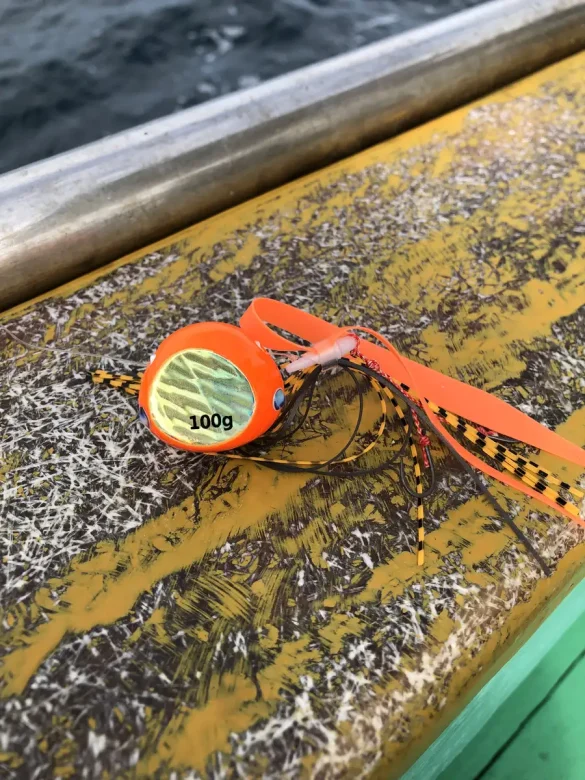
Almost everything you import will travel one of two ways: a private courier (DHL, FedEx, UPS) or Japan Post. Couriers are fast, tracked door to door, and painless on customs paperwork; parcels to the US commonly arrive within a week of leaving Japan. You pay for that speed, especially on long or bulky boxes.
Japan Post used to be the budget default, and for many countries it still is. For the US, it got complicated. Japan Post suspended acceptance of most US-bound merchandise in August 2025 after the customs changes described below, and resumed full acceptance on April 14, 2026 under a new condition: the sender must prepay US duties through a CBP-approved app (currently Zonos) and hand the parcel over at designated post offices. That’s the sender’s job rather than yours, but it explains why many shops and proxies now default to courier services for US orders. The details are laid out in Japan Post’s official notice.
Rods deserve a special mention. Carriers charge by volume as well as weight, and a one-piece rod tube is exactly the kind of parcel that triggers oversize surcharges. Two-piece and travel models are dramatically cheaper to ship, which is one more reason they’re so common in JDM boat lineups.
On insurance: proxies sell inexpensive cover (Buyee’s insured delivery plan is ¥500), couriers include or sell declared-value protection, and claims go far smoother with evidence. Photograph the box and contents the moment they arrive. It takes thirty seconds.
For years, US anglers imported freely under the de minimis rule: shipments valued at $800 or less entered duty-free. That era is over. An executive order suspended duty-free de minimis treatment for all countries effective August 29, 2025, so low-value parcels from Japan are now dutiable like any other import. Genuine gifts valued at $100 or less remain an exception. And no, asking a shop to mislabel your reel as a gift is customs fraud, not a life hack.
What you’ll actually pay depends on the product category and whatever tariff schedule is in force when your parcel lands, and those numbers have moved repeatedly. I won’t print a rate that could be stale next month; check the current rules on CBP’s e-commerce FAQ before a big order. In practice, collection happens one of three ways: prepayment at checkout (the Amazon model), a courier invoice before or at delivery (sometimes with a brokerage fee), or postal prepayment by the sender as described above.
Outside the US it’s usually simpler. Australia, the UK, and the EU generally collect their GST or VAT on imported goods, and larger platforms often charge it at checkout. Thresholds and rates are moving targets, so a two-minute look at your own customs service’s website beats any figure I could quote here.
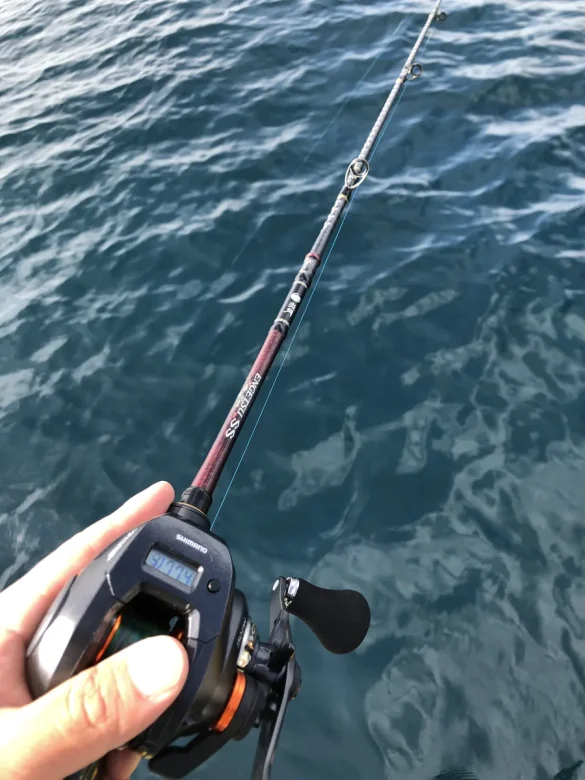
Yes. Rods, reels, lines, and lures are ordinary consumer goods, and you simply become the importer, which makes any duties and taxes your responsibility. One niche exception: some regions restrict lead weights in certain waters, so check local rules before bulk-buying sinkers.
Courier parcels commonly arrive within a week of leaving Japan. Postal and economy options run from a couple of weeks to more than a month. Add a few days when using a proxy, since your items travel to the proxy warehouse first.
Generally no. Treat an imported JDM purchase as retailer-supported only. Some exporters will help with genuine defect claims, so it’s worth asking before you commit to an expensive reel.
Usually a specialty exporter, or Amazon Japan if the listing is export-eligible. Proxies win once you’re consolidating several items into one box, and they’re unbeatable for used and auction finds.
None of this is hard once you’ve done it a single time. Check Amazon Japan, get a quote from a specialty exporter, keep a proxy account for the weird stuff. Expect duties. Buy in batches. Photograph what arrives.
And if you’re still deciding what’s actually worth importing, that’s the fun part. All of our reel, rod, and lure guides are written from the Japanese side of the market, with JDM model codes and current availability. Browse the full list on our English top page and build your shortlist before the next sale season in Japan.